The short answer
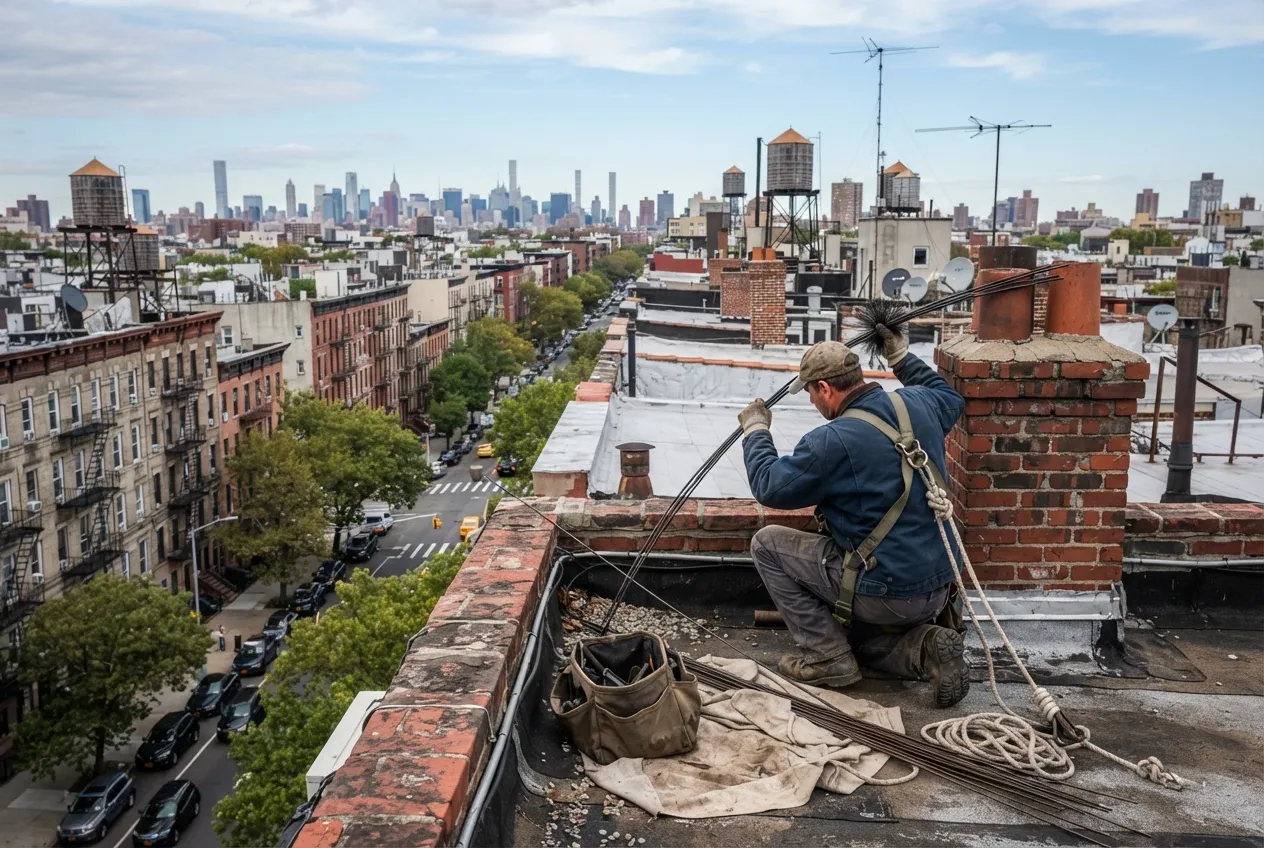
EmberGuard Chimney Sweep cleans and inspects chimneys, fireplaces, dryer vents and air ducts in neighborhoods across Lower Manhattan and Midtown. We follow the NFPA 211 standard for yearly inspections. We also help buildings converting from oil to gas evaluate their chimneys and liners.
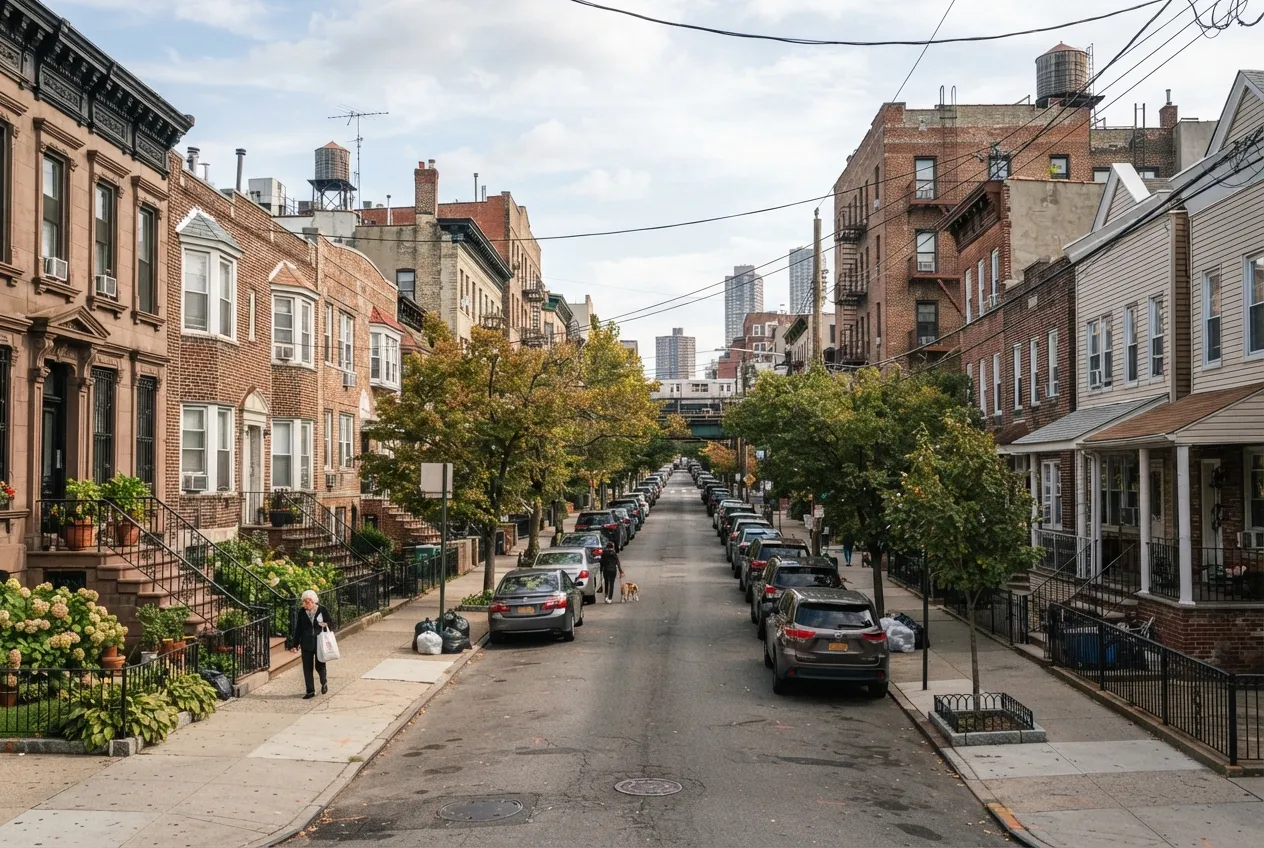
EmberGuard Chimney Sweep cleans and inspects chimneys, fireplaces, flues, dryer vents and air ducts across Manhattan, from Battery Park City and the Financial District up through Chelsea, Murray Hill and Midtown. Homes here range from brownstones with working fireplaces to prewar walk-ups and high-rise apartments with dryer vents running through shared walls. Our certified technicians work carefully in tight, occupied spaces and explain what they find in plain terms.
Chimney and Fireplace Inspections
The NFPA 211 standard calls for chimneys, fireplaces and vents to be inspected once a year, whether you burn wood every weekend or light a fire twice a winter. Soot, creosote, debris and nesting material build up quietly, and masonry flues in older Manhattan buildings can crack or shift over time.
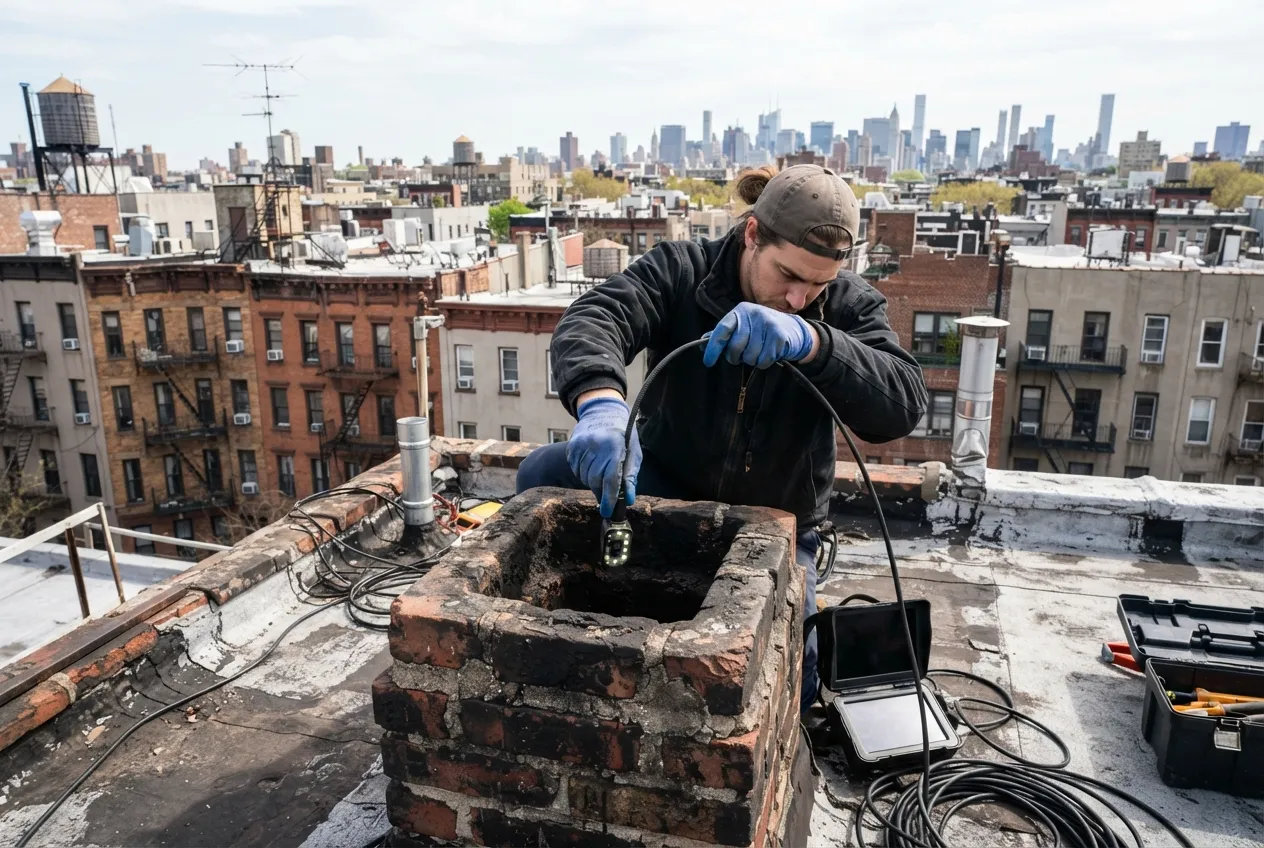
Inspections follow three levels. A Level 1 inspection fits when nothing about the system has changed. A Level 2 inspection is called for when you add a new appliance, switch fuels, or buy or sell a home. A Level 3 inspection is reserved for hidden hazards that can only be reached by opening part of the chimney or building.
Oil-to-Gas Conversions and Chimney Liners
Many Manhattan buildings are converting their boilers from oil to gas. When that happens, the chimney has to be evaluated as part of the work. A new liner is often needed because gas exhaust produces acidic condensate that can corrode a masonry flue. We inspect the flue and explain what we find. We also help owners and building managers plan any liner work before the new system goes into service.
Dryer Vent and Air Duct Cleaning
According to the U.S. Fire Administration, failure to clean is the leading factor contributing to clothes dryer fires in homes. In apartments, dryer vents often run long distances through walls and ceilings, which makes lint buildup easy to miss. Warning signs include clothes taking longer to dry, a hot laundry area or a burning smell.
For air ducts, we follow the EPA's guidance. Cleaning makes sense when there is substantial visible mold growth, vermin, or excessive dust and debris. The EPA notes that duct cleaning has not been shown to prevent health problems, so we won't claim that it does. It also advises researching the process before responding to very cheap offers and being careful with chemical treatments. We only discuss those treatments when there is a clear reason.
Time for your annual chimney check?
Neighborhoods We Serve in Manhattan
We work throughout Lower Manhattan and Midtown, including:
- Financial District, Battery Park City, Tribeca, Civic Center, Two Bridges and Chinatown
- SoHo, Little Italy, Hudson Square, Greenwich Village and West Village
- Lower East Side, East Village, Stuyvesant Town, Peter Cooper Village and Gramercy
- Union Square, Flatiron, Chelsea, Hudson Yards and Midtown South
- Murray Hill, Kips Bay and Midtown
Plan Ahead of Heat Season
New York City's heat season runs from October 1 through May 31. During that time, building owners must keep apartments heated to the city's minimum temperatures. Booking chimney, flue and boiler vent work in late spring or summer leaves time to handle repairs or a new liner before heat is required. Homeowners with fireplaces benefit from the same timing, since an inspection can turn up problems that take time to fix.
Communities we serve here
- SoHoLocal service & repairs
- Little ItalyLocal service & repairs
- Hudson SquareLocal service & repairs
- TribecaLocal service & repairs
- Civic CenterLocal service & repairs
- Greenwich VillageLocal service & repairs
- ChinatownLocal service & repairs
- West VillageLocal service & repairs
- Two BridgesLocal service & repairs
- Lower East SideLocal service & repairs
- East VillageLocal service & repairs
- Financial DistrictLocal service & repairs
- Battery Park CityLocal service & repairs
- GramercyLocal service & repairs
- Stuyvesant TownLocal service & repairs
- Peter Cooper VillageLocal service & repairs
- Midtown SouthLocal service & repairs
- FlatironLocal service & repairs
- Union SquareLocal service & repairs
- ChelseaLocal service & repairs
- Hudson YardsLocal service & repairs
- Murray HillLocal service & repairs
- Kips BayLocal service & repairs
- MidtownLocal service & repairs