The short answer
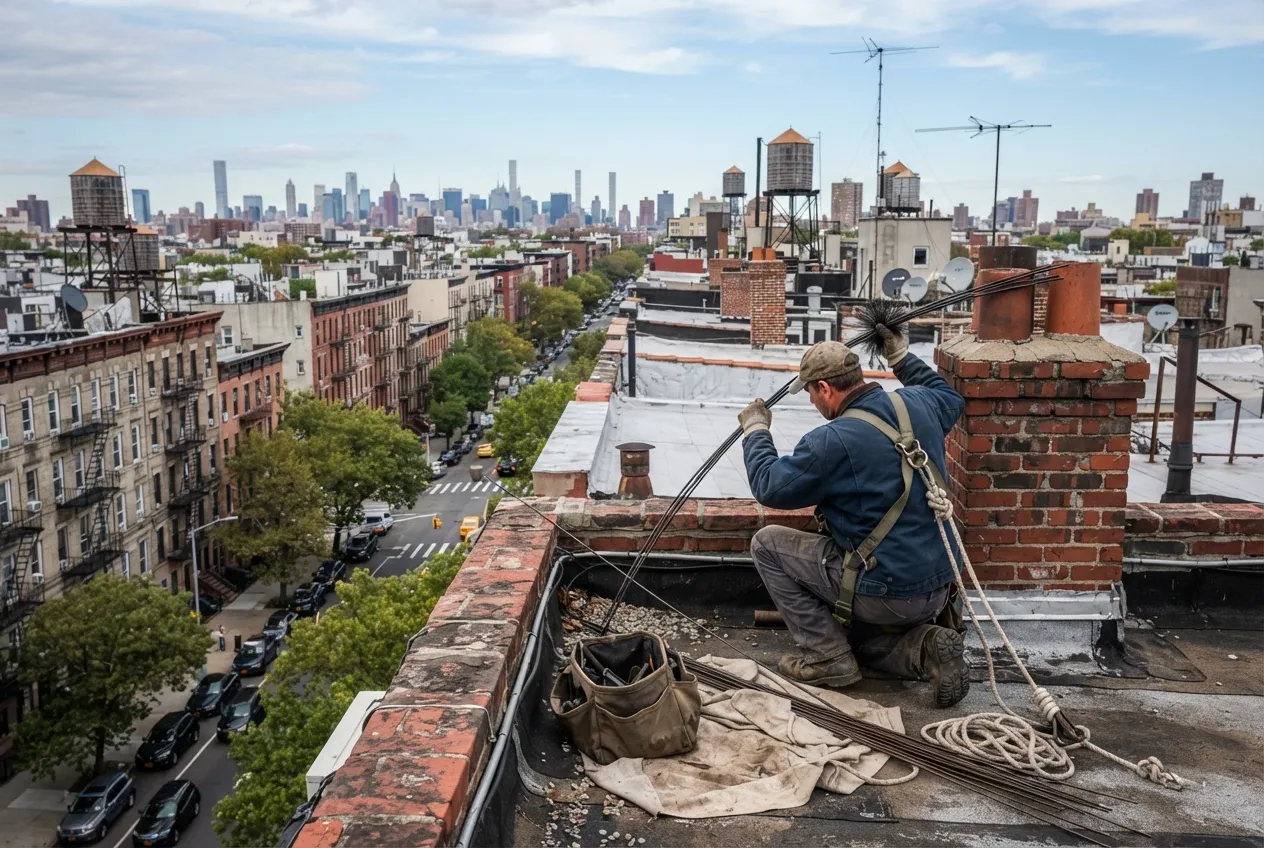
Chimneys, fireplaces and vents in East Village homes should be inspected once a year under the NFPA 211 standard. The level of inspection depends on whether anything has changed, such as a new boiler, a fuel switch or a sale. A deeper Level 3 inspection is needed only when a hidden hazard must be reached.
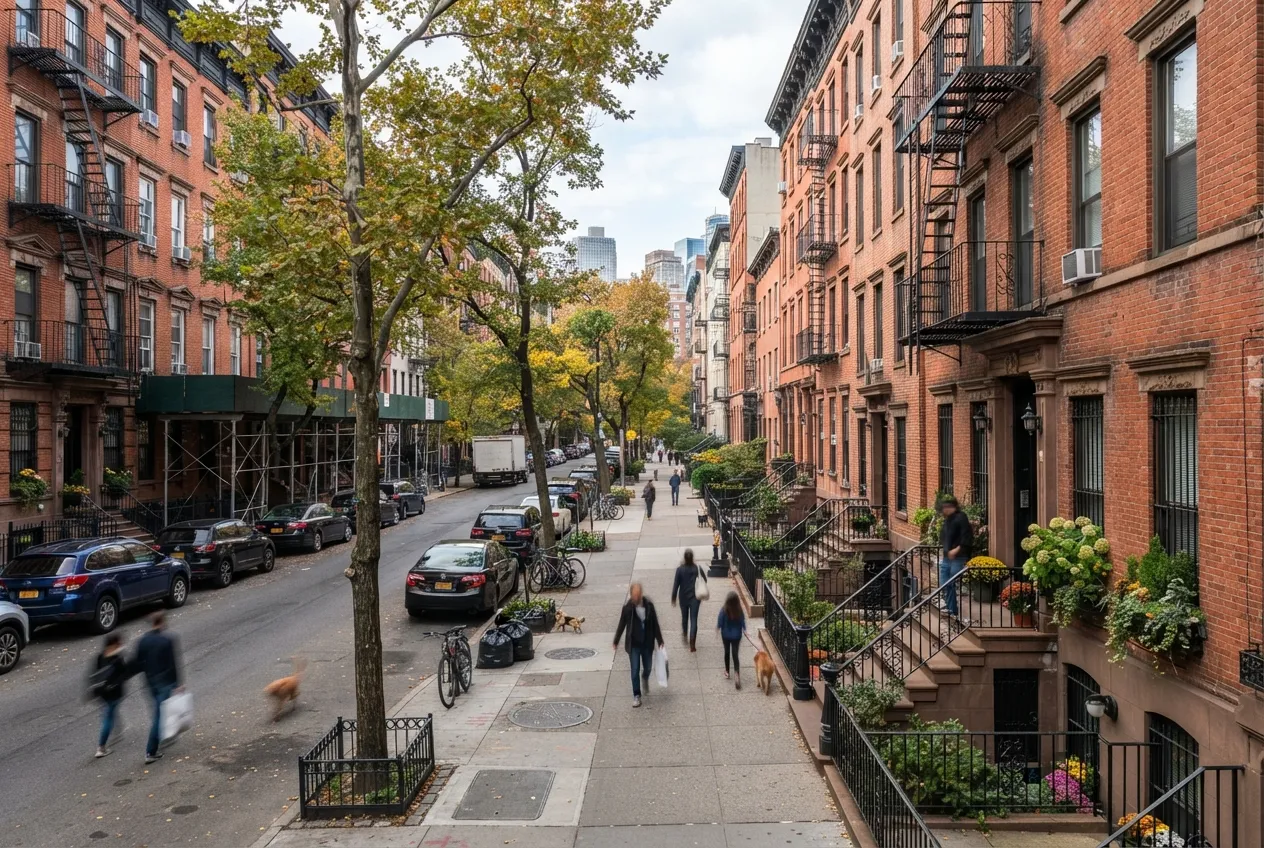
East Village homes are often older than the heating equipment connected to them. A brownstone fireplace may have sat unused for years, a rowhouse may share chimney masonry with the building next door, and a pre-war walk-up may vent a modern boiler through a flue built for a different fuel. A chimney inspection tells you what condition that system is actually in before you light a fire or start a heating season. EmberGuard Chimney Sweep's certified technicians inspect chimneys, fireplaces and vents throughout East Village, in ZIP codes 10003 and 10009, about a mile east of our Manhattan office.
How Often an East Village Chimney Should Be Inspected
The NFPA 211 standard calls for chimneys, fireplaces and vents to be inspected once a year. That applies whether you burn wood in a brownstone parlor fireplace or vent a gas boiler through the flue of an apartment building. A flue you rarely use still needs an inspection, because nests, fallen mortar and water damage build up whether or not a fire is lit.
Chimney professionals use three levels of inspection. We match the level to your situation, so you don't pay for more access than the job requires.
- Level 1: Used when nothing about the system has changed. We examine the readily accessible parts of the chimney, the fireplace or appliance connection, and the flue.
- Level 2: Used when the system changes, such as a new appliance or a switch of fuel, or when the home is being sold. This adds a closer look at the flue interior, typically with a camera, and at accessible attics, basements and crawl spaces.
- Level 3: Used when a hidden hazard has to be reached by opening part of the chimney or the building, such as concealed damage found during a Level 2 inspection.
What We Check in Rowhouses, Brownstones and Pre-War Buildings
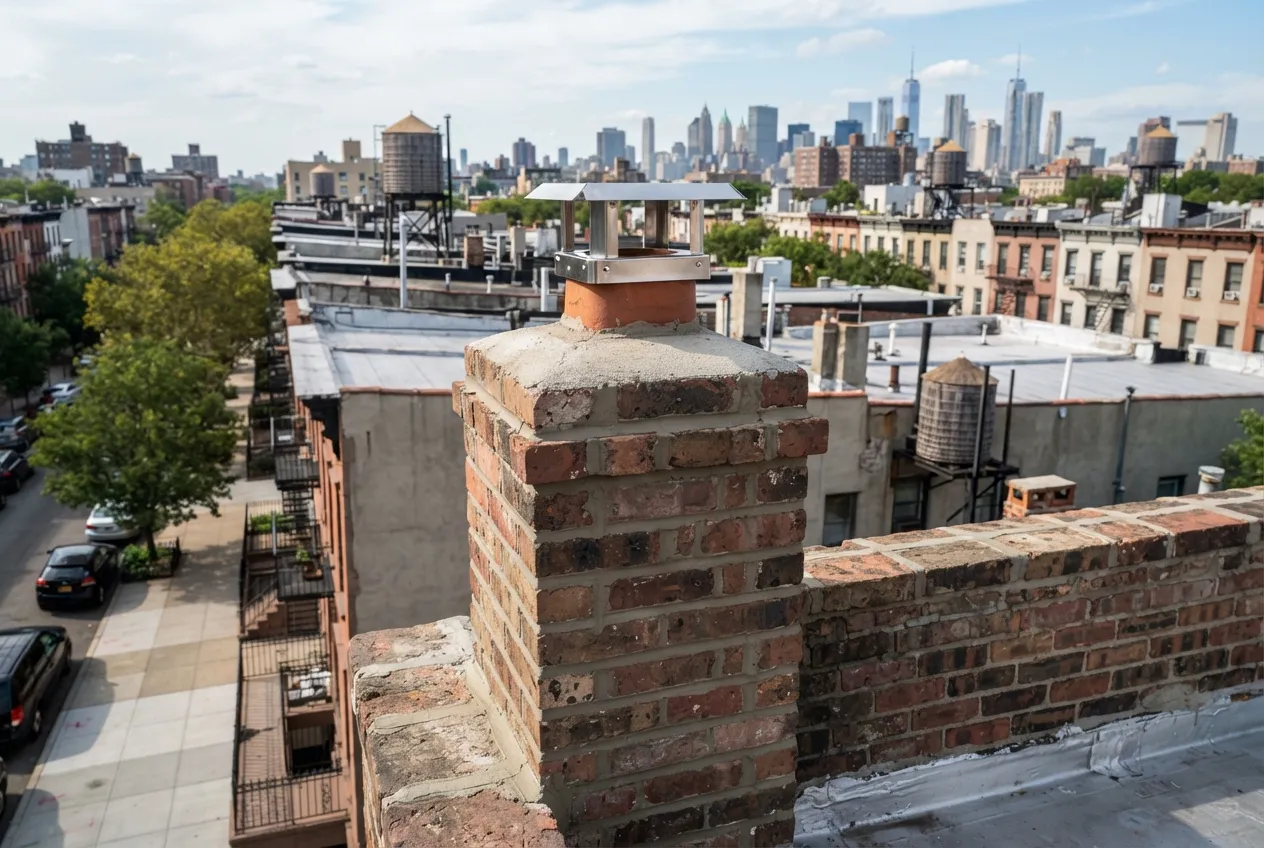
Much of the housing in East Village is older masonry construction with tall, narrow flues, shared party walls and chimneys that have been altered more than once. Those details shape what we look for. On every inspection we review the visible structure from the firebox or appliance connection up to the top of the chimney, as access allows.
- Cracked, missing or corroded flue liners, including clay tile, metal and older unlined sections
- Creosote and soot buildup in wood-burning fireplaces
- Damper operation and the condition of the smoke chamber
- Firebox brick and mortar joints
- Crown, cap and flashing, where water often enters older masonry
- Gaps that let birds, squirrels or other animals into the flue
- Clearance between the chimney and nearby wood framing
- Connector pipes from boilers and water heaters to the chimney
Inspections for Oil-to-Gas Boiler Conversions
Many East Village apartment buildings have moved their boilers from oil to gas. When a New York City building converts from oil to gas, the chimney has to be evaluated as part of that work. A new liner is often needed, because gas exhaust produces acidic condensate that can corrode a masonry flue that handled oil exhaust without trouble.
A fuel switch is also one of the changes that calls for a Level 2 inspection. We review the existing flue, check whether its size and condition suit the new appliance, and tell you plainly whether relining looks necessary. If you are planning a conversion, it helps to have the chimney evaluated early so the liner can be planned along with the boiler work instead of after it.
Time for your annual chimney check?
Timing Your Inspection Around the Heat Season
New York City's heat season runs from October 1 through May 31. During those months, building owners must keep apartments heated to the city's minimum temperatures. A chimney problem found in January can leave owners rushing to keep the heat on while repairs are scheduled.
For apartment buildings and multi-family rowhouses, late spring and summer are practical times to inspect. Boilers can be shut down, and any relining or masonry work can be finished before October. Homeowners with wood-burning fireplaces benefit from the same timing, because problems get fixed before the first cold night instead of during it.
After the Inspection
Once the inspection is finished, the technician walks you through what was found, what is in good shape, and what needs attention now or should be watched. If cleaning, a new cap, a liner or masonry repair is recommended, we explain why and which issues affect safety versus long-term upkeep. You decide what to do next.
Besides East Village, we inspect chimneys in nearby Lower East Side, Greenwich Village, SoHo, Little Italy and Hudson Square, where much of the housing raises the same questions about older masonry flues.
More services in East Village
- Chimney Sweep in East VillageLocal service & repairs
- Chimney Repair in East VillageLocal service & repairs
- Air Duct Cleaning in East VillageLocal service & repairs
- Chimney Liner Installation in East VillageLocal service & repairs