The short answer
If your East Village building is switching its boiler from oil to gas, adding a new appliance, or has a damaged flue, a new chimney liner is often needed. We inspect the chimney first, then recommend a liner sized and made for the appliance it will serve.
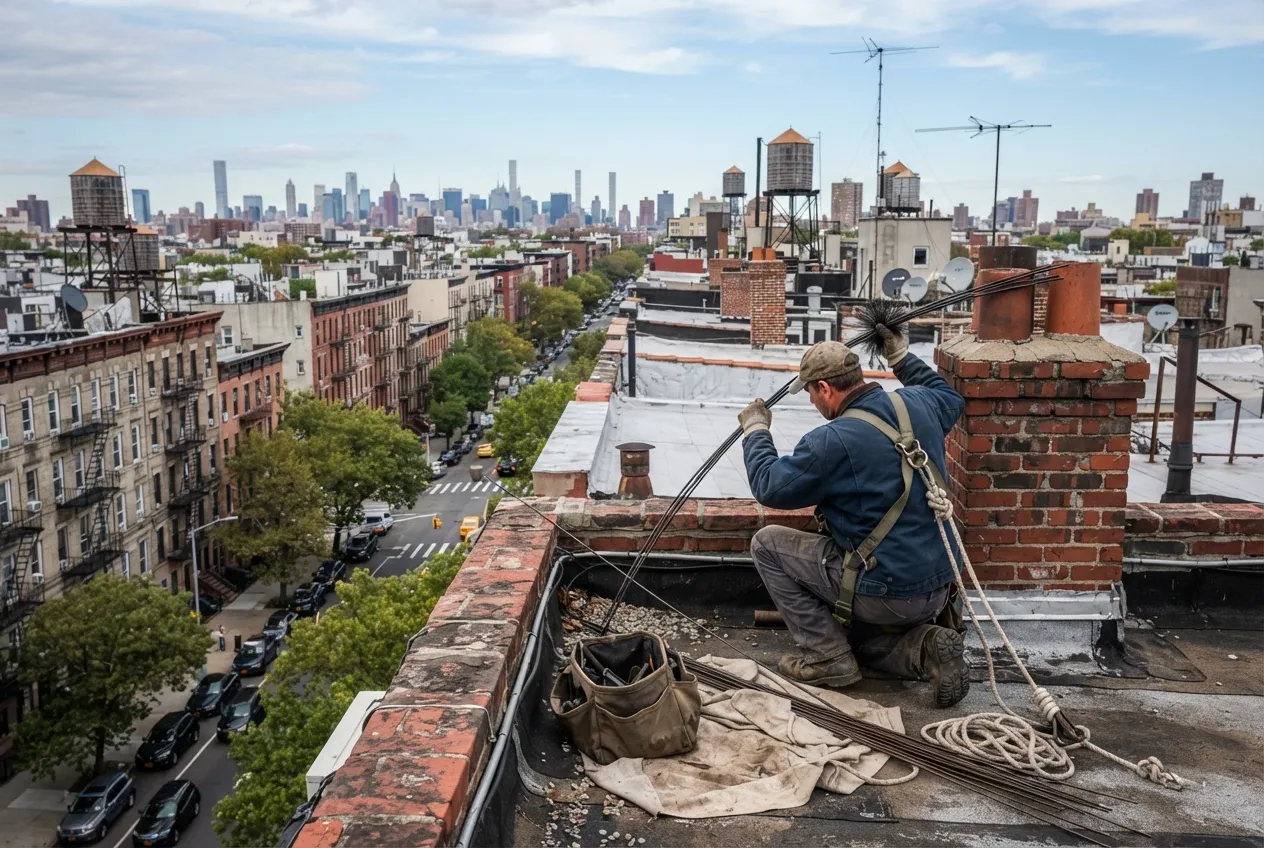
A chimney liner is the protective channel inside your flue that carries smoke, gas exhaust and heat out of the building. In the East Village, many chimneys run through older masonry in rowhouses, brownstones, walk-ups and pre-war apartment buildings. Those flues were often built long before today's boilers, water heaters and gas appliances. When a liner is cracked, missing or the wrong size for the appliance it serves, exhaust and condensate can work into the brick and mortar around it. EmberGuard Chimney Sweep is based about a mile away in Manhattan. Our certified technicians evaluate and install chimney liners for homes and buildings in ZIP codes 10003 and 10009.
Why older East Village chimneys often need relining
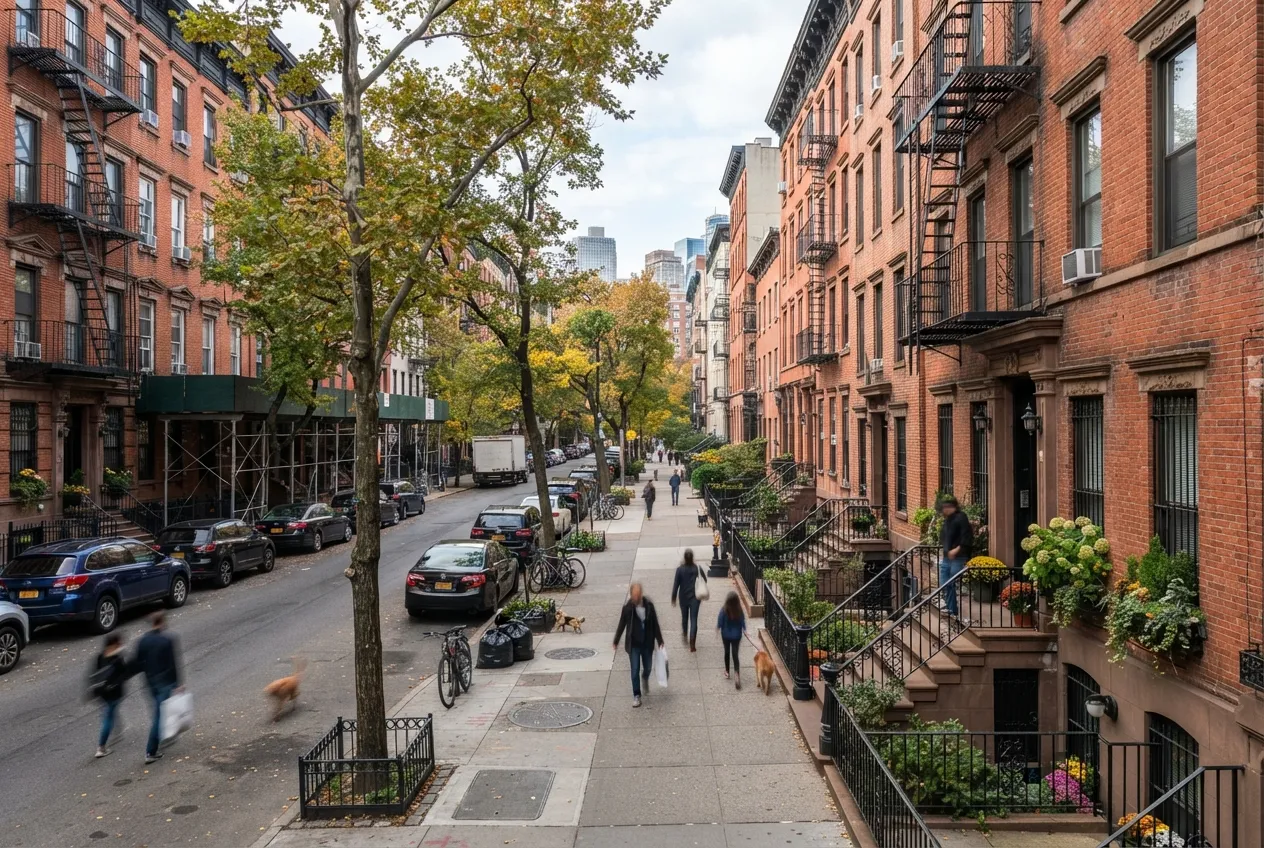
Much of the East Village housing stock is built from brick and masonry, and many chimneys have served several generations of heating equipment. Some have a clay tile liner that has cracked or shifted over time. Others were never lined at all. Still others were lined for a fuel the building no longer burns.
A liner that no longer fits the appliance can cause poor draft, can let exhaust leak into the masonry, and can wear down the chimney from the inside. In attached rowhouses and multi-unit buildings, chimney problems can also affect neighboring walls and units. That makes an accurate evaluation worth doing before any work starts.
Oil-to-gas conversions and your chimney
Many buildings in Manhattan have moved from oil heat to gas. When a New York City building converts its boiler from oil to gas, the chimney has to be evaluated as part of that work. A new liner is often needed because gas exhaust produces acidic condensate that can corrode a masonry flue.
If you are planning a conversion, bring us in early so the chimney evaluation fits into the project schedule. We look at the existing flue's condition, size and path. We then recommend a liner suited to the new equipment, so the chimney does not hold up the rest of the job.
How a liner installation works
Every chimney is different, but most liner projects follow the same basic steps. We explain what we find at each stage, so you know why a particular liner is being recommended.
- Inspection: we examine the chimney and flue. A system change such as a new appliance or a fuel switch typically calls for a Level 2 inspection, which includes a camera look inside the flue.
- Sizing: the liner is matched to the appliance or appliances venting into it, so the system drafts properly.
- Material selection: we choose a liner type that suits the fuel and the condition of the chimney.
- Preparation: we clean the flue and clear any debris or obstructions before the new liner goes in.
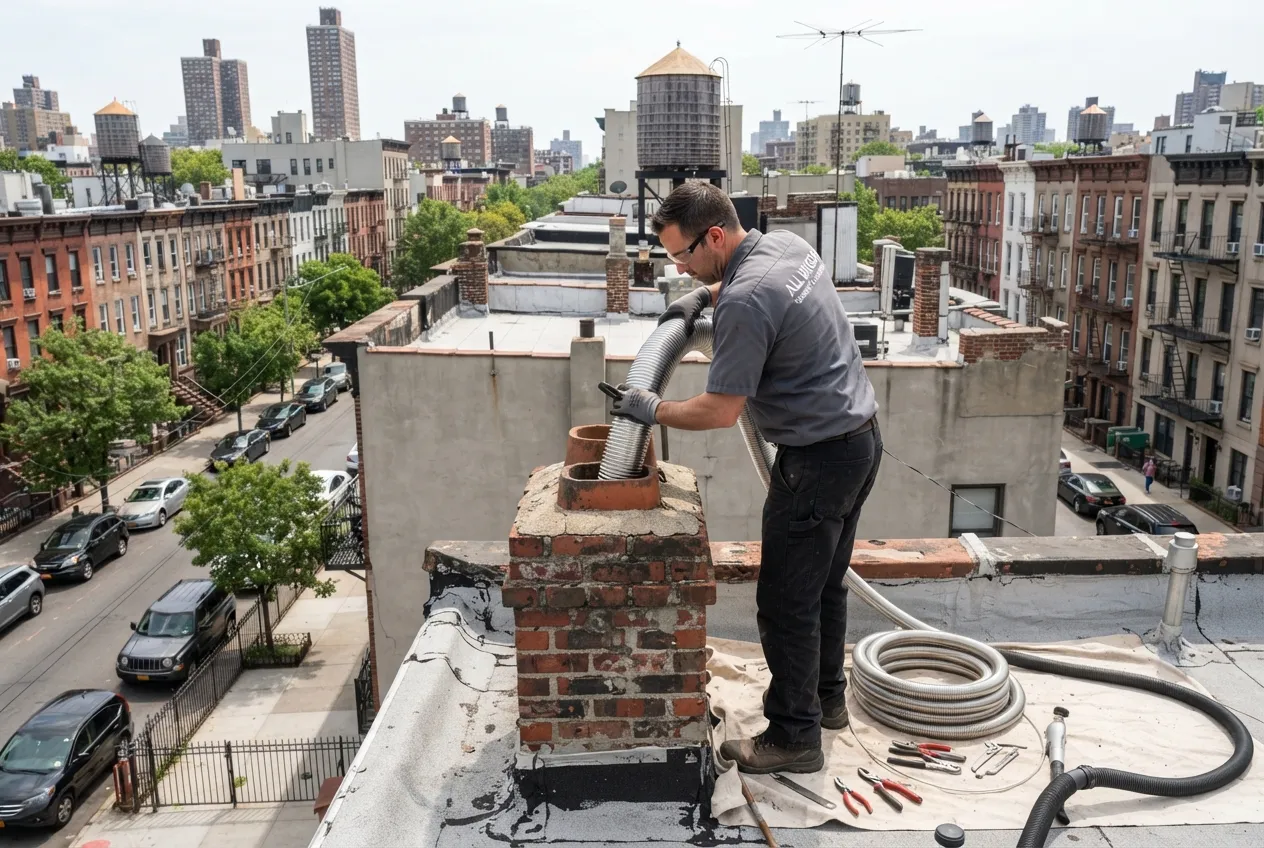
- Installation: the liner is run through the flue and connected at the bottom and top, with the proper fittings and cap.
- Review: we check the connections and walk you through the finished work and any follow-up recommendations.
Time for your annual chimney check?
Choosing the right liner material
Stainless steel liners are a common choice for relining, especially for gas and oil appliances. They come in flexible versions that can follow chimneys with offsets and bends, and in rigid versions for straight runs. Some masonry chimneys are better served by a cast-in-place liner, which forms a new smooth flue inside the existing one. Others may suit a different product approved for a specific appliance.
The right choice depends on the fuel, the appliance, the flue's shape and the condition of the masonry. We recommend a material based on what the inspection shows, not a one-size-fits-all approach.
Planning around heat season
New York City's heat season runs from October 1 through May 31. During those months, building owners must keep apartments heated to the city's minimum temperatures. Relining a chimney that serves a boiler means that equipment is out of service while we work. Scheduling liner installation in late spring or summer is usually the easiest option for East Village landlords and co-op boards.
The NFPA 211 standard calls for chimneys, fireplaces and vents to be inspected once a year. A yearly inspection before heat season is a good time to catch liner damage before it becomes urgent.
Serving the East Village and nearby neighborhoods
We work throughout the East Village, in ZIP codes 10003 and 10009. We also serve nearby Lower East Side, Greenwich Village, SoHo, Little Italy and Hudson Square. Whether you own a single rowhouse or manage a pre-war apartment building, we can evaluate your chimney and explain your relining options.
More services in East Village
- Chimney Sweep in East VillageLocal service & repairs
- Chimney Inspection in East VillageLocal service & repairs
- Chimney Repair in East VillageLocal service & repairs
- Air Duct Cleaning in East VillageLocal service & repairs