The short answer
A chimney inspection checks the flue, liner, masonry, damper and connections for damage, blockages and hazards before you use the system. The NFPA 211 standard calls for an inspection once a year, with a more detailed level when the system changes or the home is sold. EmberGuard performs Level 1, 2 and 3 inspections for homes and buildings in Hudson Square and nearby Manhattan neighborhoods.
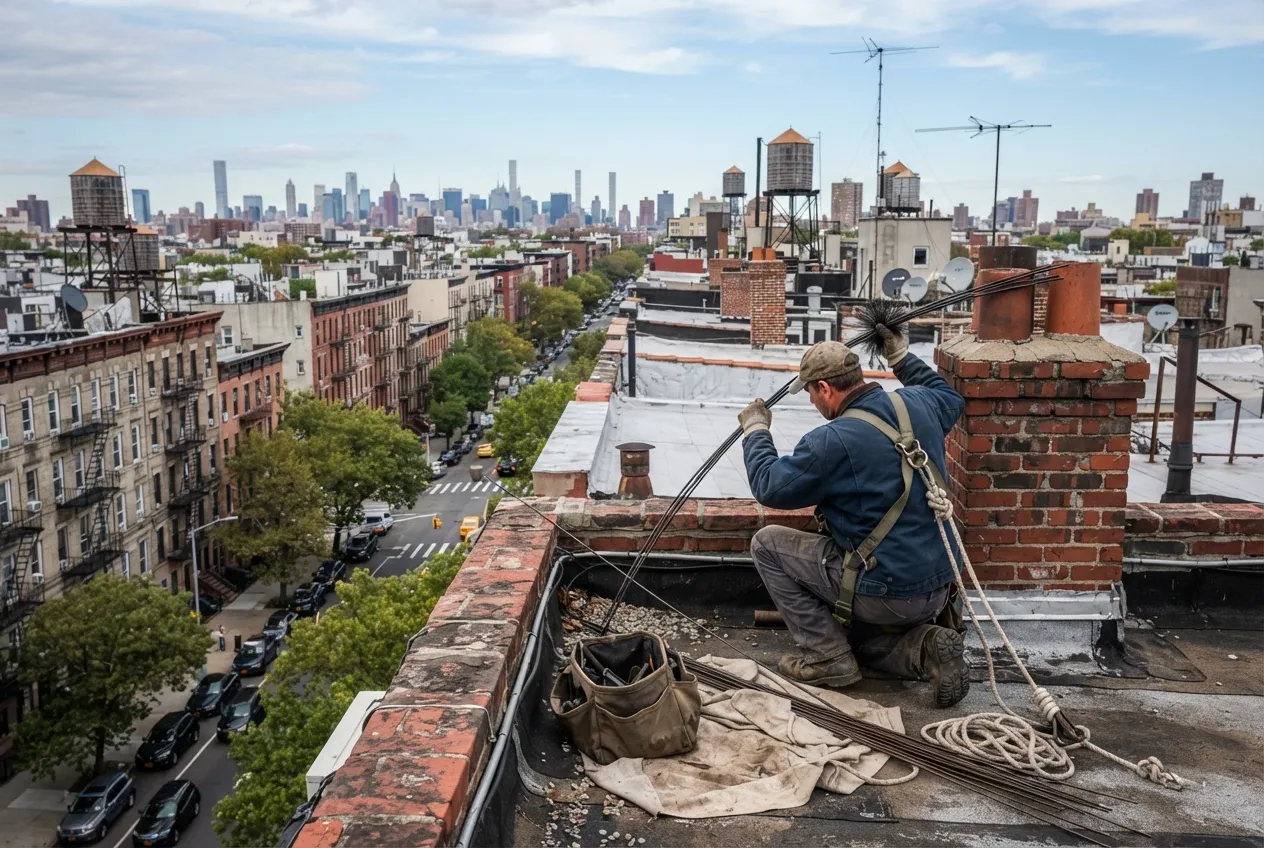
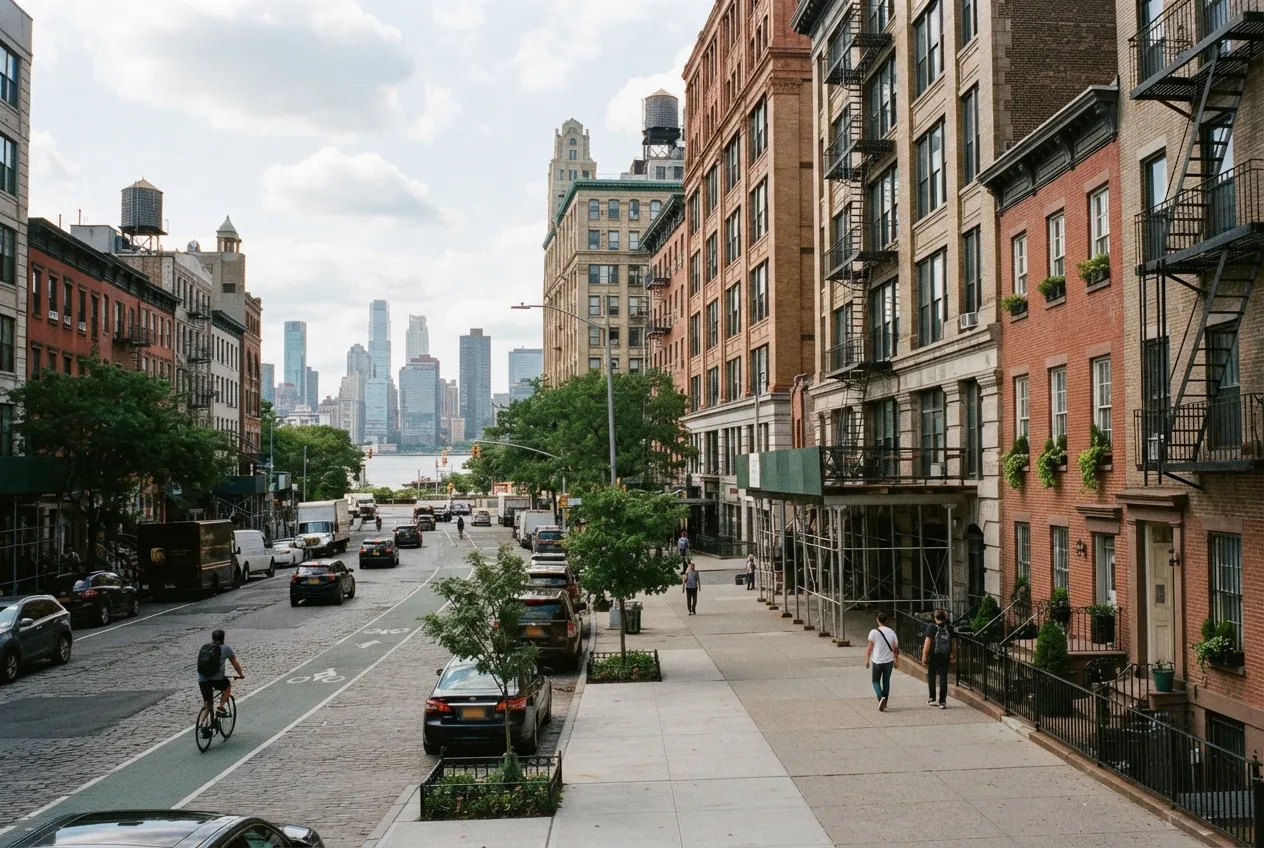
EmberGuard Chimney Sweep is based in Hudson Square, with our office at 489 Broome St, so chimney inspections here are close to home for us. The neighborhood mixes pre-war apartment buildings, converted loft buildings and a smaller number of rowhouses. Many of those chimneys have outlived the appliances they were built for. A wood-burning fireplace may have been sealed off for decades. A boiler flue may have been venting oil exhaust and now carries gas. A stack shared by several units may never have been looked at from the inside. Our certified technicians inspect chimneys and flues in 10012 and nearby so you know what condition your system is in, whether it is safe to use, and what, if anything, needs attention.
Which Inspection Level Your Home Needs
The NFPA 211 standard calls for chimneys, fireplaces and vents to be inspected once a year. Chimney professionals use three inspection levels, and the right one depends on what has happened with your system since it was last checked.
We'll tell you which level fits your situation before we start. If a Level 1 inspection turns up something that needs a closer look, we'll explain why and what the next step involves.
- Level 1: for a system that hasn't changed and that you plan to keep using the same way. We check the readily accessible parts of the chimney, the appliance connection and the flue for soundness, deposits and obstructions.
- Level 2: for when the system changes, for example a new appliance or a switch of fuel, or when the home is sold. It includes the accessible areas of attics, basements and crawl spaces and a video scan of the flue interior.
- Level 3: for when a hidden hazard has to be reached by opening part of the chimney or building. This is reserved for situations where evidence points to a problem that can't be seen any other way.
Chimneys in Hudson Square Buildings
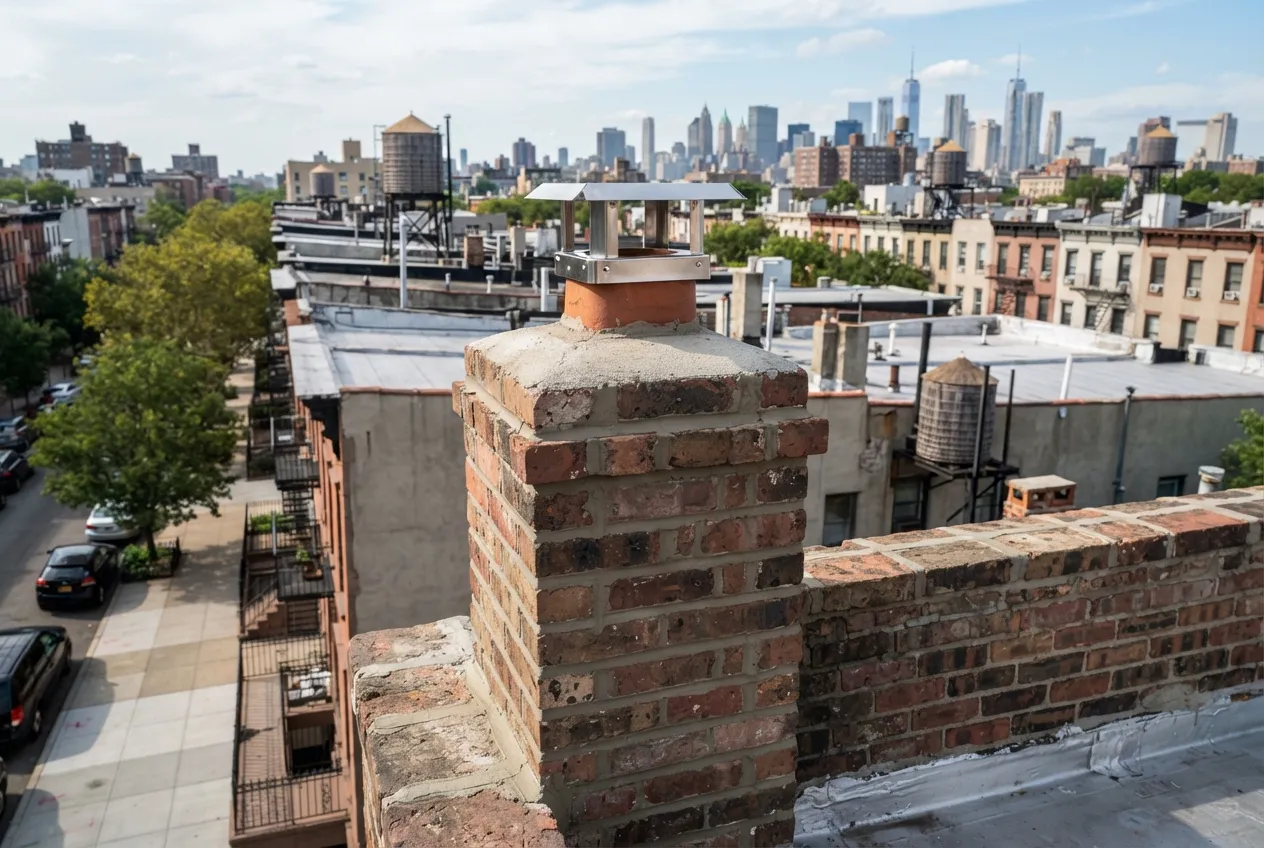
Housing in and around Hudson Square tends to be older and denser than in much of the city. Pre-war apartment buildings often have masonry chimneys serving the boiler, sometimes alongside fireplace flues that run past several floors. Converted loft buildings may carry flues that date from a different use of the building. In rowhouses, a single chimney stack can hold several flues side by side, and a problem in one can affect the others.
With these systems, the most important questions are usually about the flue lining, the condition of the mortar and brick, and whether the chimney still matches the appliance connected to it. A camera inspection of the flue interior is often the only practical way to see cracks, gaps in liner sections or debris in a tall or offset chimney.
Oil-to-Gas Conversions and Liners
When a New York City building converts its boiler from oil to gas, the chimney has to be evaluated as part of the work. A new liner is often needed because gas exhaust produces acidic condensate that can corrode a masonry flue. Moisture that was not a concern with oil can, over time, break down mortar joints and clay tile.
If your building is planning a conversion or has already completed one, an inspection documents the flue's condition and shows whether the existing lining is suitable. We'll describe what we find in plain terms so owners, boards and contractors can plan the next steps.
Time for your annual chimney check?
Timing Around the Heat Season
New York City's heat season runs from October 1 through May 31. During those months, building owners must keep apartments heated to the city's minimum temperatures. A boiler flue problem found in January is harder to deal with than one found in August.
For that reason we suggest scheduling boiler chimney inspections in late spring or summer. That leaves time for any repairs or relining before the heat has to stay on. Fireplace owners benefit from the same timing, since an early inspection means the fireplace is ready when the weather turns.
What Happens During a Visit
Our technician starts by asking how you use the system and whether anything has changed, such as a new appliance, a fuel switch, a recent smoke or odor issue, or a planned sale. We protect the floor and furnishings around the fireplace or appliance before opening anything up.
We then inspect the firebox, damper, smoke chamber, flue and connections. On a Level 2 inspection, we also run a camera through the flue. Where access allows, we check the exterior masonry and the chimney top.
Afterward, we walk you through what we saw and give you a written summary with photos where they help. If cleaning or repair is needed, we'll explain the options and what each one addresses, so you can decide without pressure.
- Creosote and soot buildup
- Cracked or missing flue liner sections
- Deteriorated mortar joints and brickwork
- Damper and smoke chamber condition
- Blockages from debris or nesting animals
- Signs of water entry or moisture damage
More services in Hudson Square
- Chimney Sweep in Hudson SquareLocal service & repairs
- Chimney Repair in Hudson SquareLocal service & repairs
- Air Duct Cleaning in Hudson SquareLocal service & repairs
- Chimney Liner Installation in Hudson SquareLocal service & repairs