The short answer
Under the NFPA 211 standard, chimneys, fireplaces and vents should be inspected once a year. In Little Italy that usually means a Level 1 inspection for an unchanged system, a Level 2 after a new appliance, a fuel switch or a sale, and a Level 3 only when a hidden problem has to be reached by opening part of the structure.
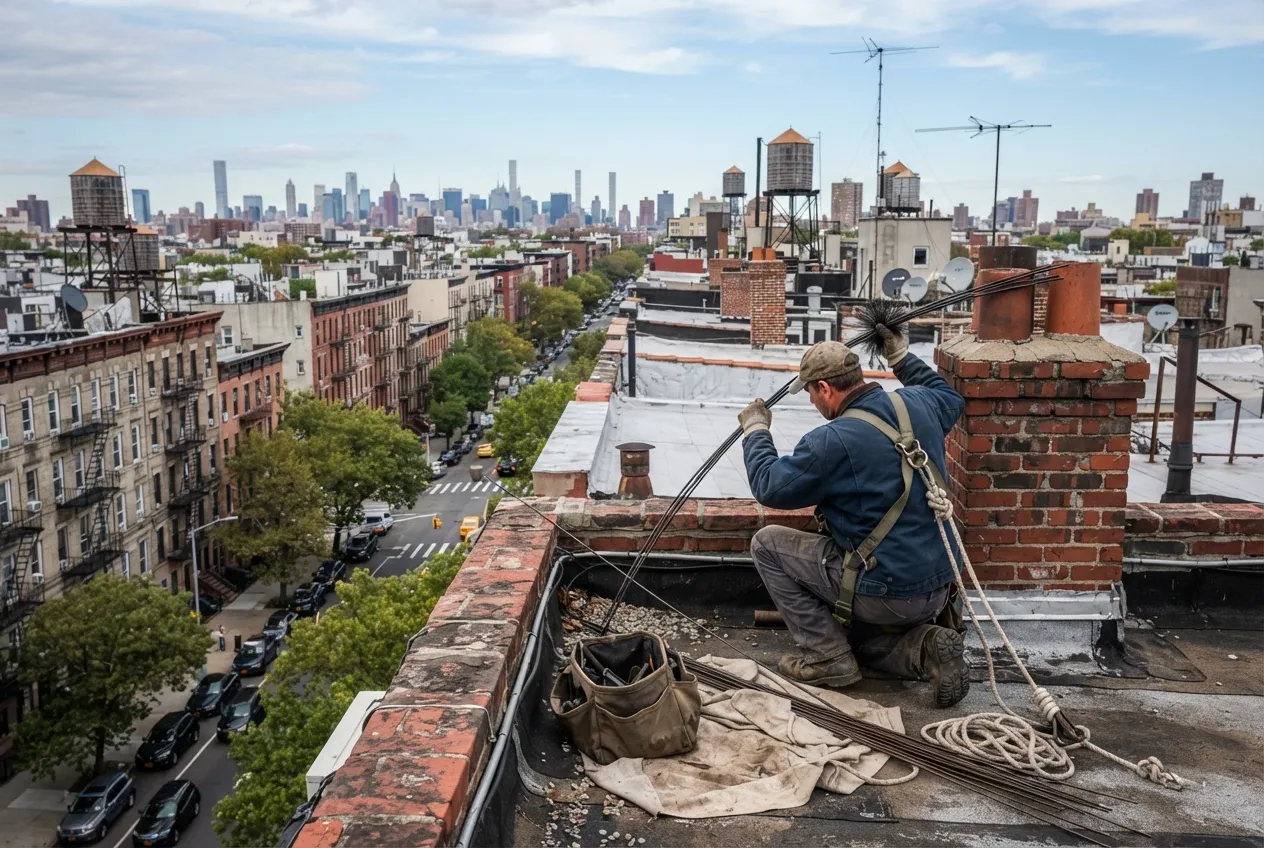
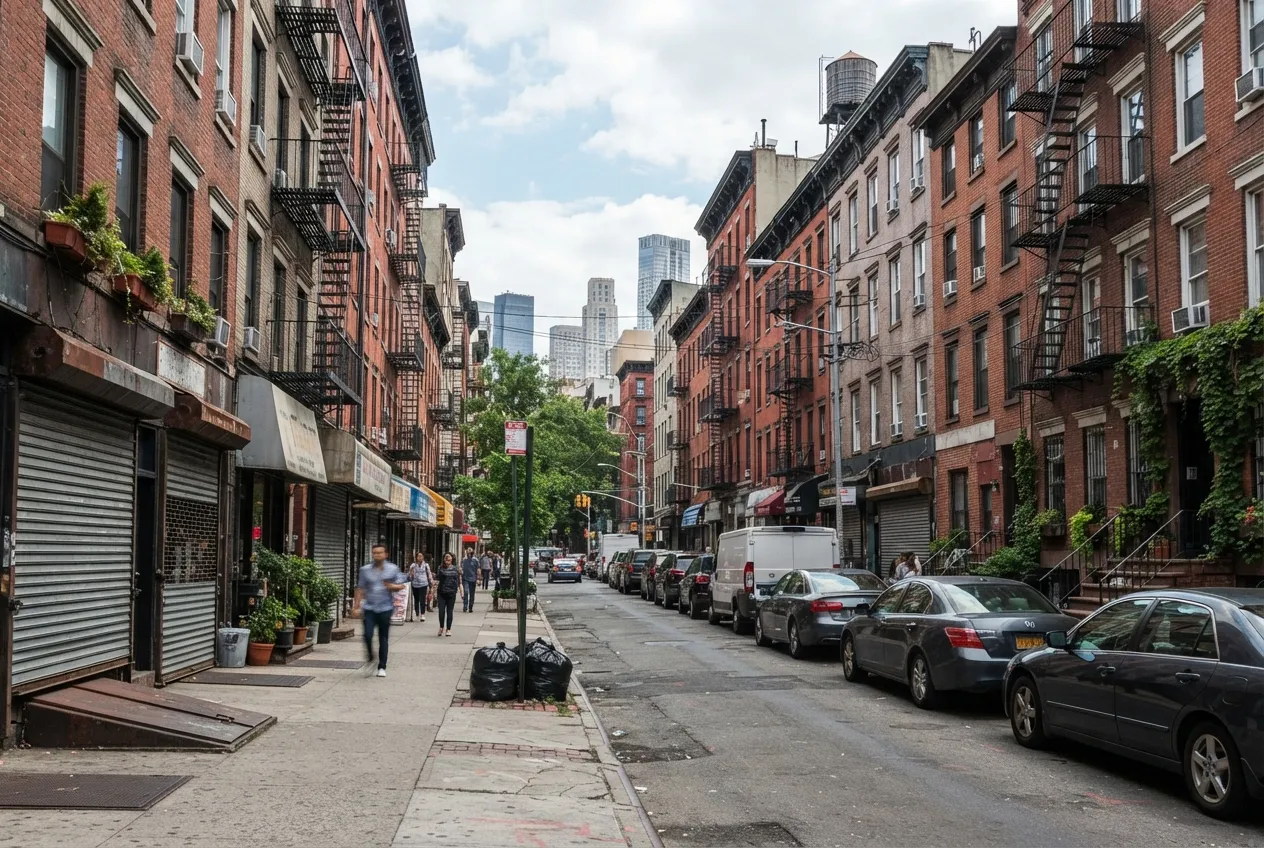
Little Italy's housing stock is mostly older: pre-war apartment buildings, walk-ups with storefronts at street level, and the occasional rowhouse. Many of these buildings still rely on masonry chimneys to vent boilers and water heaters, and some apartments have working fireplaces. EmberGuard Chimney Sweep's office is at 489 Broome St, so chimney inspections in Little Italy and the rest of ZIP code 10012 are close to home for us. Our certified technicians examine the whole venting system, including the flue, liner, crown, cap, smoke chamber and appliance connections. Then they explain what they found in plain terms, so you know whether the chimney is ready to use and what, if anything, needs attention.
Why Yearly Inspections Matter in Older Manhattan Buildings
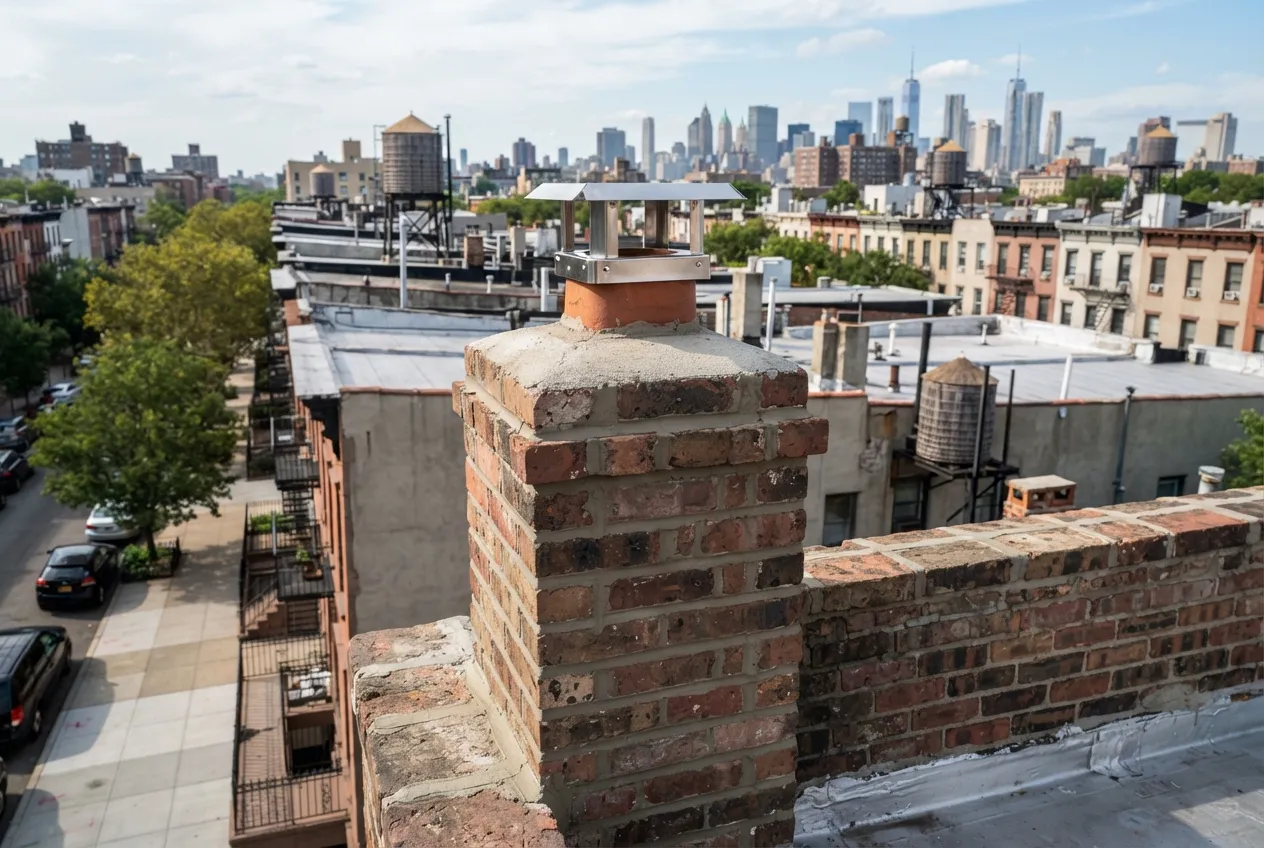
The NFPA 211 standard calls for chimneys, fireplaces and vents to be inspected once a year. That advice carries extra weight in a neighborhood where many buildings are a century old or more. Mortar joints weaken over time. Clay flue tiles crack. Crowns and caps take a beating from freeze-thaw cycles and summer storms.
Shared walls and stacked apartments add another concern. In a walk-up or a mixed-use building, a single chimney may run past several units and a commercial space. A blockage or a cracked flue on one floor can push exhaust somewhere it doesn't belong. A yearly inspection catches these problems while they are still small and easier to plan around.
Which Inspection Level Your Chimney Needs
Chimney professionals use three levels of inspection. The right one depends on what has changed since the last time someone looked at your system.
- Level 1: For a chimney that is used the same way as before with no changes. We check the readily accessible parts of the chimney, the appliance connection and the flue for soot, creosote, obstructions and visible damage.
- Level 2: For a chimney whose system has changed, such as a new boiler or water heater, a switch from one fuel to another, or a relined flue. It is also the standard level when a home or building is sold. It includes a closer look at the full length of the flue, often with a camera.
- Level 3: For a chimney where a hidden hazard is suspected and can only be reached by removing part of the chimney or building, such as a section of wall or chase. We only recommend this when a Level 1 or Level 2 inspection points to a problem that can't be confirmed any other way.
Oil-to-Gas Conversions and Chimney Liners
Plenty of Little Italy buildings have moved, or are planning to move, from oil heat to gas. When a New York City building converts its boiler from oil to gas, the chimney has to be evaluated as part of the work. A new liner is often needed. Gas exhaust produces acidic condensate, and that condensate can corrode a masonry flue that was built for oil.
If your building is planning a conversion, schedule the chimney inspection early. Knowing the condition and size of the flue ahead of time helps the boiler work and any liner work happen in the right order.
Time for your annual chimney check?
Timing Your Inspection Around Heat Season
New York City's heat season runs from October 1 through May 31. During those months, building owners must keep apartments heated to the city's minimum temperatures. A boiler flue problem found in January is harder to deal with than one found in August, because the heat can't simply be shut off for long.
For buildings with central boilers, late spring and summer are the most practical times to inspect. Any repairs or liner work can then be finished before October. For apartments and homes with wood-burning fireplaces, an inspection before the first fire of the fall makes sense.
What Happens During a Visit
We start by asking how the chimney is used: which appliances or fireplaces connect to it, what fuel they burn, and whether anything has changed recently. Then we inspect from the accessible points, which may include the firebox, the boiler room, the cleanout and the roof.
We protect floors and furnishings near the work area. Before we leave, we walk you through what we saw, what condition the flue is in, and whether cleaning, repairs or a higher-level inspection is recommended.
Serving Little Italy and Nearby Neighborhoods
From our Broome St office, we also handle chimney inspections in SoHo, Hudson Square, Tribeca, Civic Center and Greenwich Village. These neighborhoods share many of the same building types: pre-war apartment buildings, converted lofts, walk-ups and rowhouses. Their chimneys tend to have the same age-related issues we see in Little Italy.
More services in Little Italy
- Chimney Sweep in Little ItalyLocal service & repairs
- Chimney Repair in Little ItalyLocal service & repairs
- Air Duct Cleaning in Little ItalyLocal service & repairs
- Chimney Liner Installation in Little ItalyLocal service & repairs