The short answer
You may need a new chimney liner in Little Italy if your flue is cracked or deteriorated, if you are converting a boiler from oil to gas, or if you are connecting a new appliance. EmberGuard Chimney Sweep inspects the existing flue first, then recommends and installs a liner matched to your fuel and appliance. We work from our office on Broome St and also serve nearby Manhattan neighborhoods.
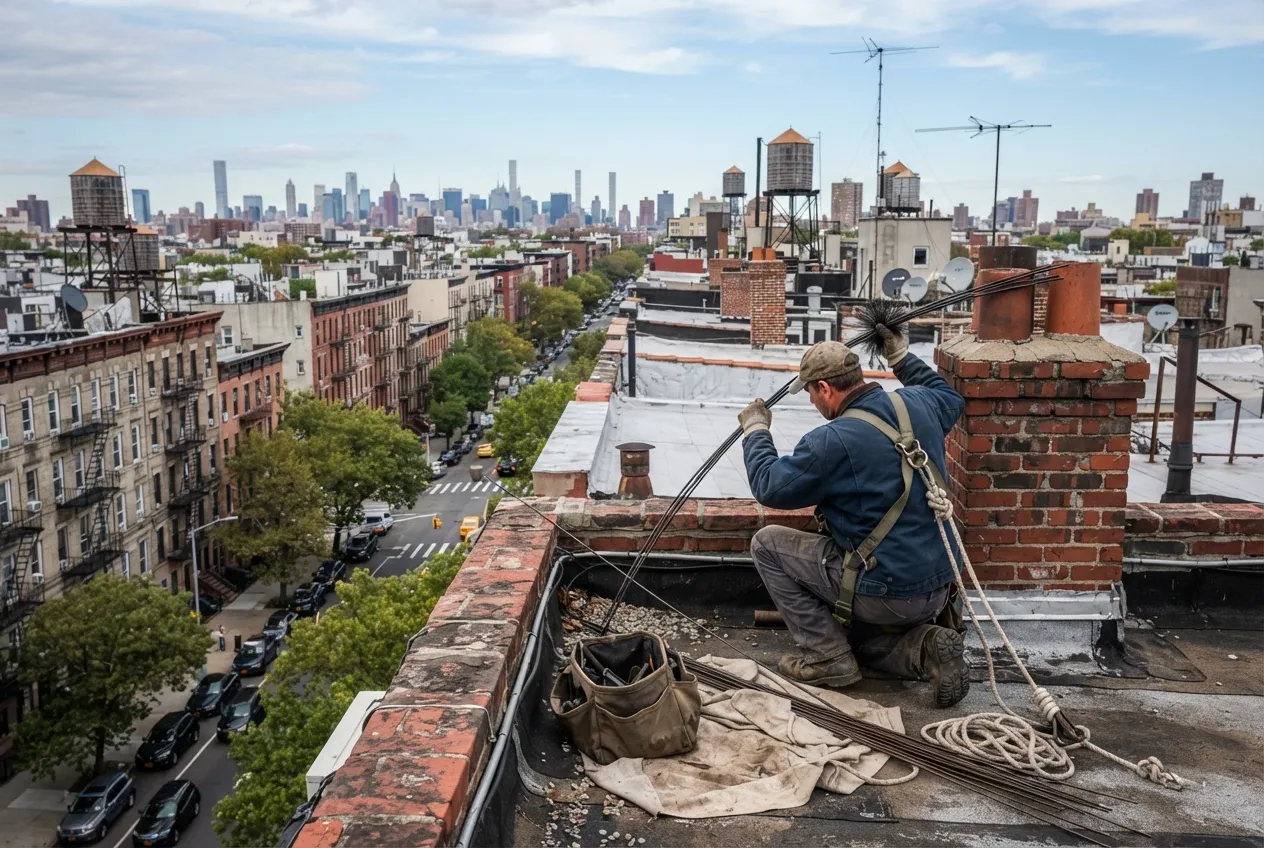
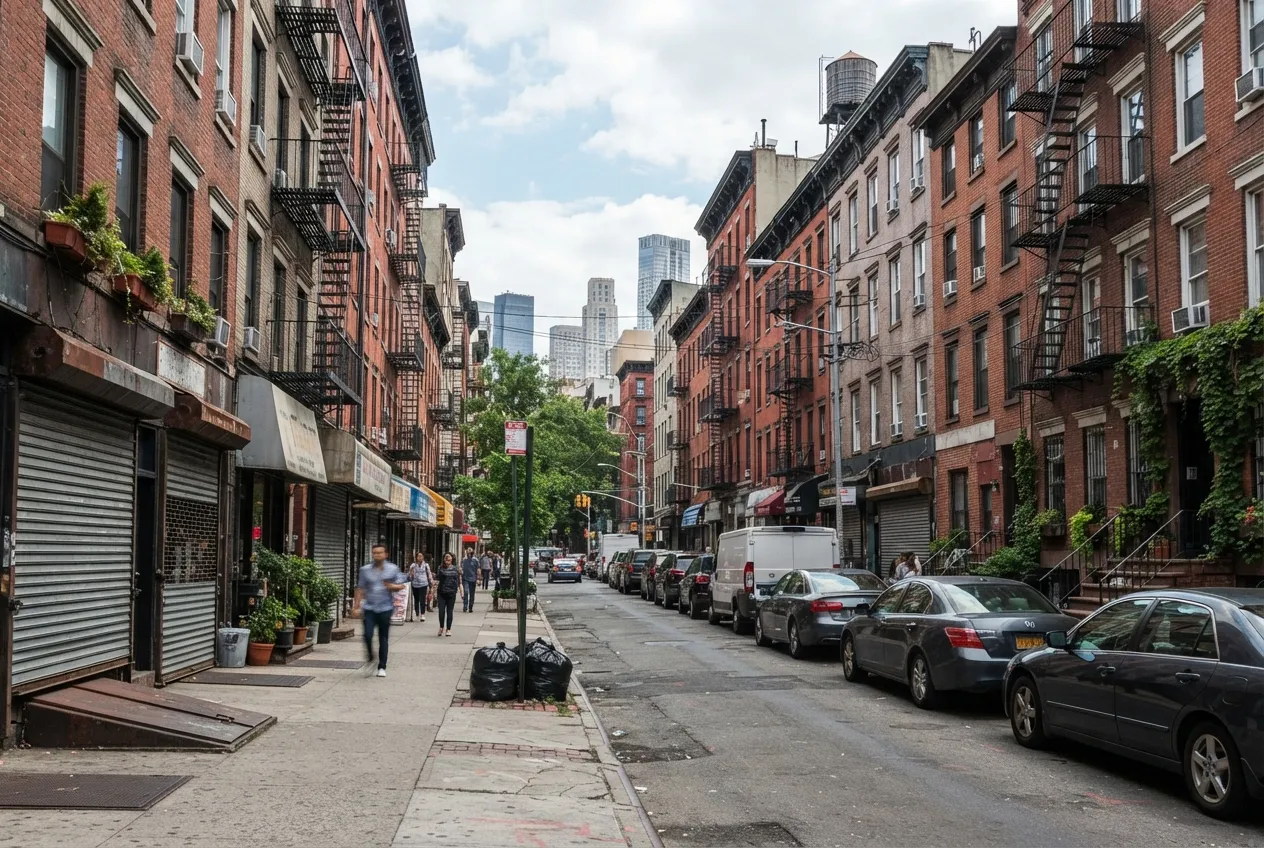
A chimney liner is the protective channel inside your chimney that carries smoke and exhaust gases up and out of the building while shielding the surrounding masonry and framing from heat and corrosion. In Little Italy, many chimneys run through older brick walk-ups, pre-war apartment buildings, and mixed-use buildings with shops at street level. Liners in these buildings have often been cracked, eroded, or outlasted by changes in the heating equipment below them. EmberGuard Chimney Sweep works out of our office at 489 Broome St, so liner work for buildings in the 10012 ZIP code is close to home for us. Our certified technicians inspect the existing flue, explain what they find in plain terms, and install a liner sized for the appliance it serves.
Why Liners Fail in Little Italy's Older Buildings
Much of Little Italy's housing was built long before modern heating systems existed. Many chimneys were originally unlined brick or lined with clay tile, and they have been through decades of freeze-thaw cycles, building settlement, and changes in fuel. Over time, tiles crack, mortar joints open up, and the inner brick surface can flake away.
A damaged liner can let heat reach nearby wood framing, allow exhaust gases to seep into living spaces, and let moisture work into the masonry. In attached buildings with shared walls, a problem in one flue can affect more than one household. That makes a sound liner important for the whole building, not only the unit with the fireplace or boiler.
Oil-to-Gas Conversions and Relining
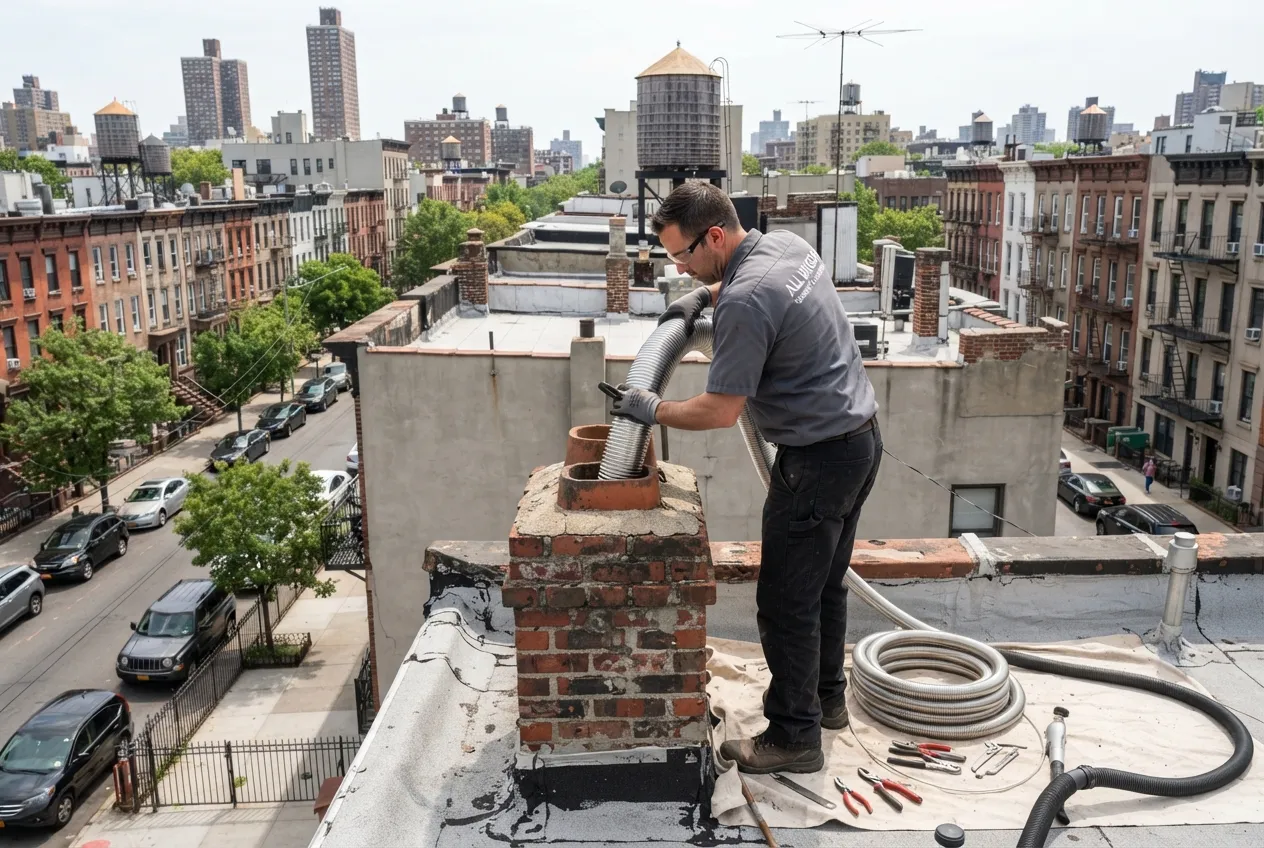
Many Manhattan buildings have switched boilers from oil to gas. When a New York City building converts its boiler from oil to gas, the chimney must be evaluated as part of the work. A new liner is often needed because gas exhaust produces acidic condensate that can corrode a masonry flue.
A flue that worked well for oil heat may also be the wrong size for a newer, more efficient gas appliance. An oversized flue can let exhaust cool too quickly, which leads to more condensation and poor draft. When we assess a conversion, we look at the condition of the existing flue, and we also check whether its size and material suit the new equipment.
What Our Liner Installation Process Looks Like
Every job starts with an inspection. The NFPA 211 standard calls for a Level 2 inspection when a system changes, such as a new appliance or a switch of fuel, and when a home is sold. If we suspect a hidden hazard that can only be reached by opening part of the chimney or building, a Level 3 inspection may be needed. We will tell you which level applies and why before any work begins.
Once we understand the flue, we recommend a liner type and walk you through the steps:
- Camera and visual inspection of the existing flue from top to bottom
- Cleaning the chimney so the liner can be installed against clean surfaces
- Measuring the flue and matching the liner size to the connected appliance
- Installing the liner, along with insulation where the system calls for it
- Fitting the connections at the appliance and the cap at the top
- Testing draft and reviewing the finished work with you
Time for your annual chimney check?
Choosing the Right Liner for Your Building
Liner choice depends on the fuel, the appliance, and the shape and condition of the chimney. Stainless steel liners are common for gas and oil appliances and for relining older masonry flues. Cast-in-place liners can help where the original masonry needs reinforcement. Clay tile is sometimes used in new or rebuilt chimneys.
In tall, narrow pre-war buildings and rowhouses, access to the roof and the path of the flue both affect how the work is done. We plan around stairwells, roof hatches, and shared spaces so the installation causes as little disruption to neighbors and storefronts as possible.
Timing Your Liner Work Around Heat Season
New York City's heat season runs from October 1 through May 31. During those months, building owners must keep apartments heated to the city's minimum temperatures. If your building's boiler depends on a chimney that needs a new liner, it is worth scheduling the inspection and relining during the warmer months, before the heat has to stay on.
After installation, keep up with yearly inspections. NFPA 211 calls for chimneys, fireplaces, and vents to be inspected once a year, and a Level 1 inspection is usually enough when nothing about the system has changed. We also serve SoHo, Hudson Square, Tribeca, Civic Center, and Greenwich Village.
More services in Little Italy
- Chimney Sweep in Little ItalyLocal service & repairs
- Chimney Inspection in Little ItalyLocal service & repairs
- Chimney Repair in Little ItalyLocal service & repairs
- Air Duct Cleaning in Little ItalyLocal service & repairs