The short answer
Chimneys, fireplaces, and vents should be inspected once a year under the NFPA 211 standard. A Level 2 inspection is the right choice after a fuel switch, a new appliance, or a sale. In Chinatown, schedule before heat season starts on October 1 so any repairs are finished before the boiler runs full time.
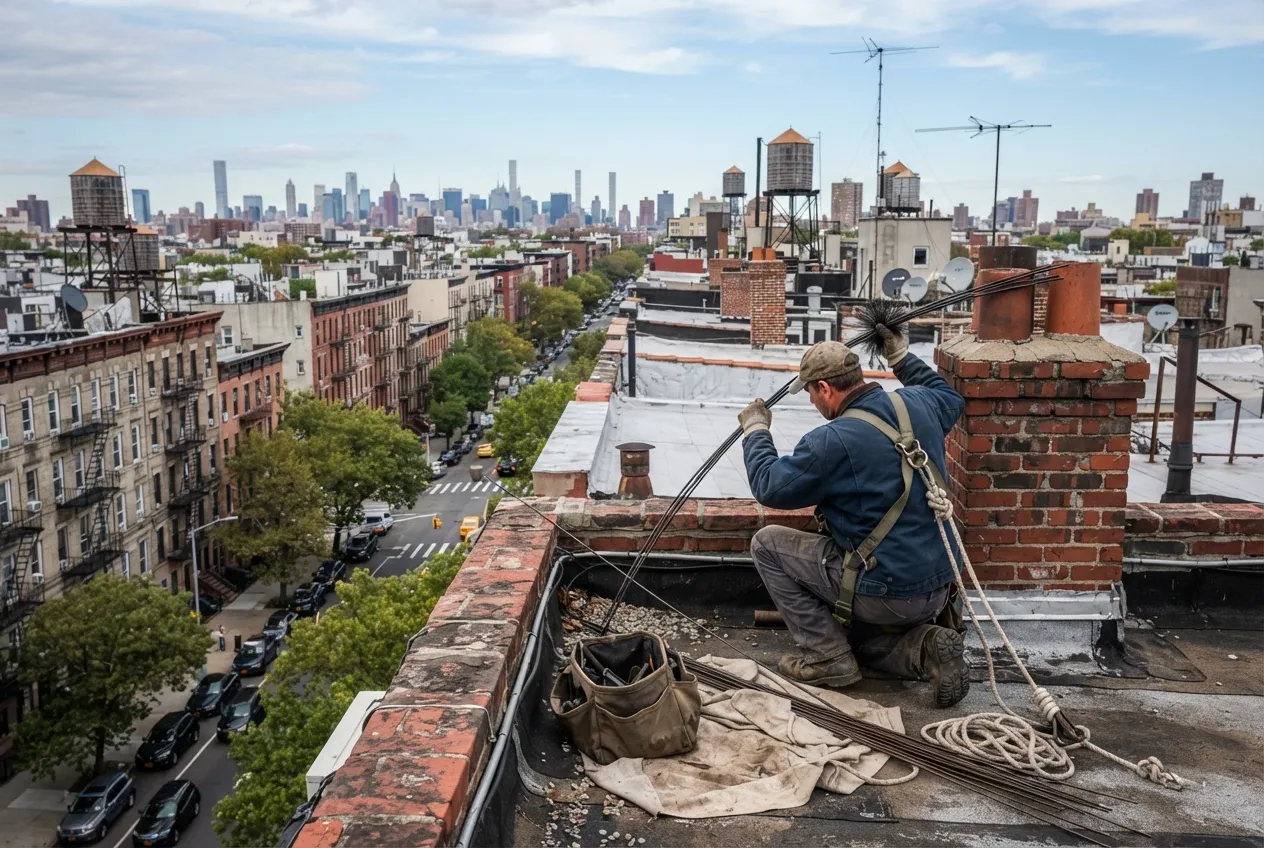
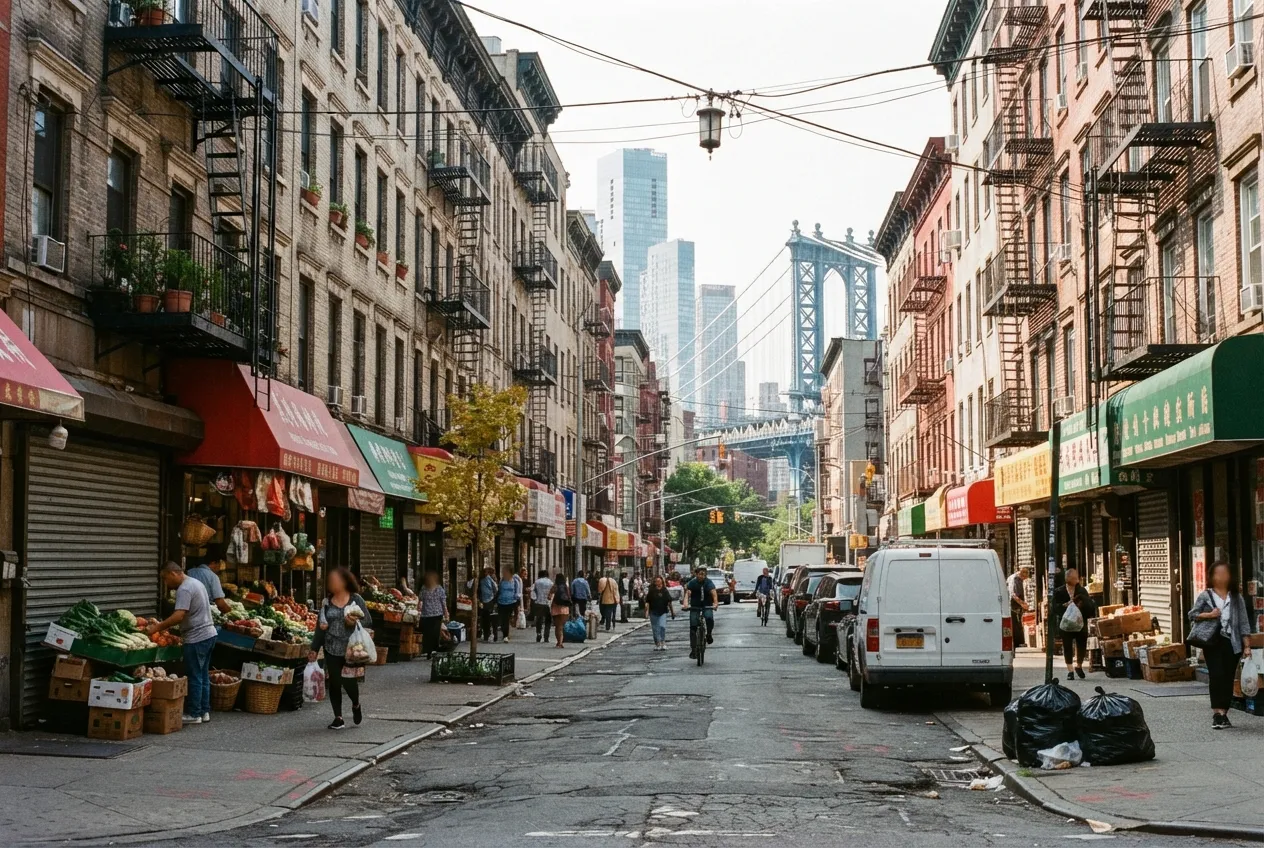
Most homes in Chinatown are in older masonry buildings: pre-war apartment buildings, walk-up rowhouses, and mixed-use buildings with shops on the ground floor and apartments above. Many of these chimneys have vented several kinds of fuel over the decades, and many serve a shared boiler or more than one unit. A chimney inspection tells you whether the flue, liner, and connections are safe to rely on. It also flags small problems before they turn into a no-heat call in January. EmberGuard Chimney Sweep's certified technicians inspect chimneys throughout Chinatown, about a mile from our Manhattan office. We explain what we find in plain terms so owners, managers, and residents can decide what to do next.
Why a yearly inspection matters in Chinatown buildings
The NFPA 211 standard calls for chimneys, fireplaces, and vents to be inspected once a year. That matters more in older buildings, where clay tile liners, mortar joints, and chimney crowns have been exposed to heat, moisture, and freeze-thaw cycles for a long time. Damage often starts inside the flue, where nobody living in the building can see it.
New York City's heat season runs from October 1 through May 31. During those months, building owners must keep apartments heated to the city's minimum temperatures, so the boiler and its chimney work hard for most of the year. Late summer and early fall are good times to inspect. Any repairs can then be finished before tenants depend on steady heat. A spring inspection after the season ends is also useful, because it shows what months of continuous use did to the flue.
Choosing the right inspection level
Chimney professionals use three inspection levels. We recommend the one that fits your situation and tell you why before we start.
- Level 1: for a chimney that is used the same way as before, with no changes to the appliance, the fuel, or the building. We check the readily accessible parts of the chimney, the appliance connection, and the flue.
- Level 2: needed when the system changes, such as a new boiler or water heater or a switch from oil to gas. It is also needed when the property is sold. This level usually includes a video camera run through the flue to look at the liner and joints from the inside.
- Level 3: used only when a hidden hazard has to be reached by opening part of the chimney or the building. We discuss this with you in advance and do not open walls or masonry without your approval.
Oil-to-gas conversions and flue liners
Many Manhattan buildings are converting boilers from oil to gas. When a New York City building makes that change, the chimney has to be evaluated as part of the work. A new liner is often needed, because gas exhaust produces acidic condensate that can corrode a masonry flue that handled oil exhaust without trouble.
If your building is planning a conversion, an inspection early in the process gives you an accurate picture of the flue. We document the liner's condition, its size relative to the new appliance, and any deterioration. That information helps you and your heating contractor plan the work.
Time for your annual chimney check?
What we check during a chimney inspection
Every inspection covers the full path the exhaust takes, from the appliance to the top of the chimney. After the visit you receive written findings with photos, so you can see what we saw.
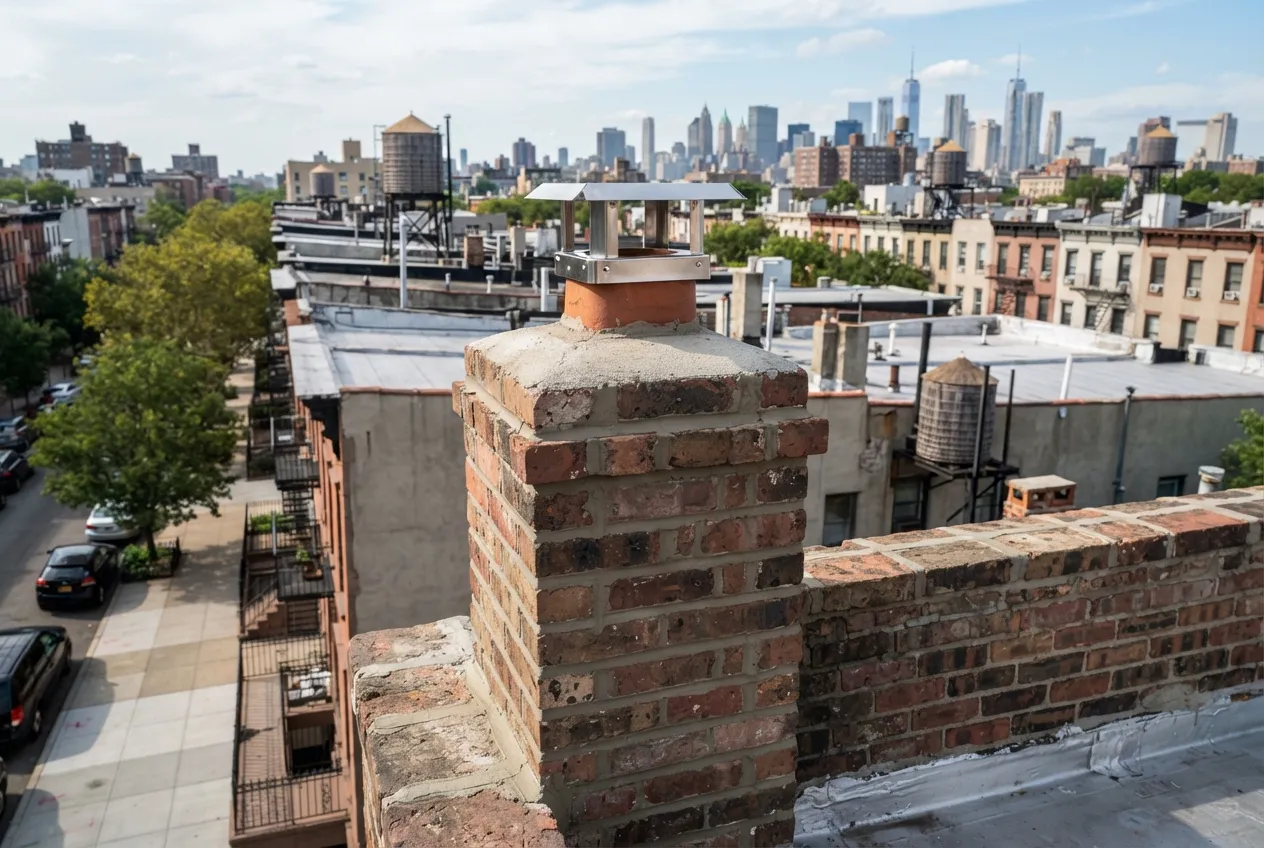
- Chimney exterior: crown, cap, flashing, and the condition of brick and mortar
- Flue liner: cracks, gaps between tiles, missing sections, and corrosion
- Creosote and soot buildup in wood-burning fireplaces
- Blockages from debris, fallen masonry, or animal nests
- Connector pipes from the boiler or water heater, including slope, joints, and rust
- Damper, firebox, and smoke chamber on fireplaces
- Signs of water getting in, such as staining, efflorescence, or rusted components
Working in Chinatown and nearby neighborhoods
Inspections in dense, older buildings often take some coordination. We work with superintendents and building managers to arrange roof access, reach the boiler room, and notify residents when a shared flue serves several apartments. In mixed-use buildings, we can schedule around business hours to keep disruption low.
Besides Chinatown, we inspect chimneys in nearby Two Bridges, the Lower East Side, Tribeca, Civic Center, and SoHo. Housing in these neighborhoods is similar, and so are the chimney issues: aging masonry, shared heating systems, and flues that have vented more than one fuel.
More services in Chinatown
- Chimney Sweep in ChinatownLocal service & repairs
- Chimney Repair in ChinatownLocal service & repairs
- Air Duct Cleaning in ChinatownLocal service & repairs
- Chimney Liner Installation in ChinatownLocal service & repairs