The short answer
If your chimney's flue is unlined, cracked, or serving a new or converted appliance, it likely needs a new liner sized for that appliance. EmberGuard inspects the chimney first, then installs a liner matched to your boiler, furnace, water heater or fireplace in Chinatown and nearby Manhattan neighborhoods.
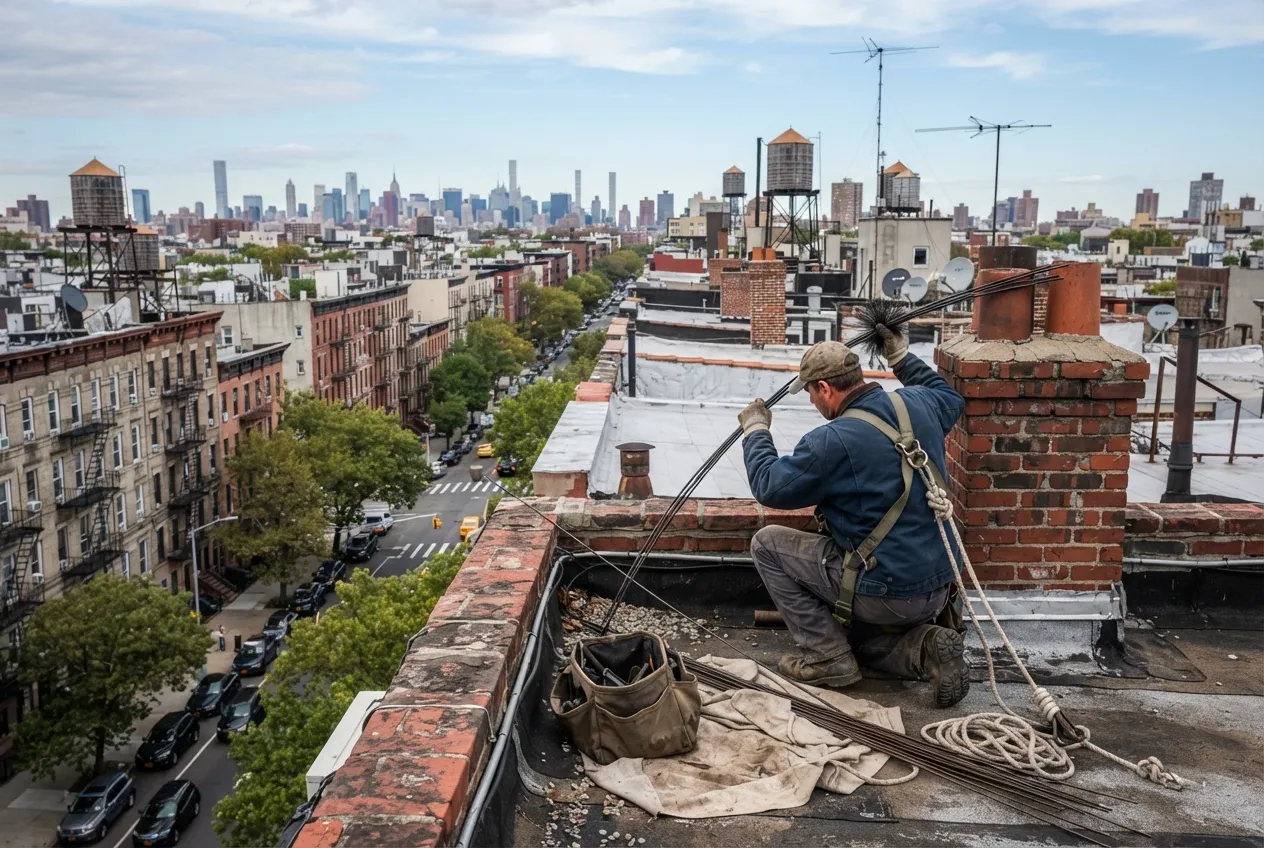
A chimney liner keeps hot exhaust, smoke and corrosive gases inside the flue and away from the brick, mortar and wood around it. Many homes and buildings in Chinatown were built long before modern heating equipment, and their original flues were often never lined or were lined with clay tile that has since cracked. EmberGuard Chimney Sweep installs new liners in Chinatown townhouses, walk-ups and mixed-use buildings, and our office in Manhattan is only about a mile away. Our certified technicians start by looking inside your chimney, then explain what kind of liner fits your heating appliance and your flue before any work begins.
Why Chinatown Chimneys Often Need New Liners
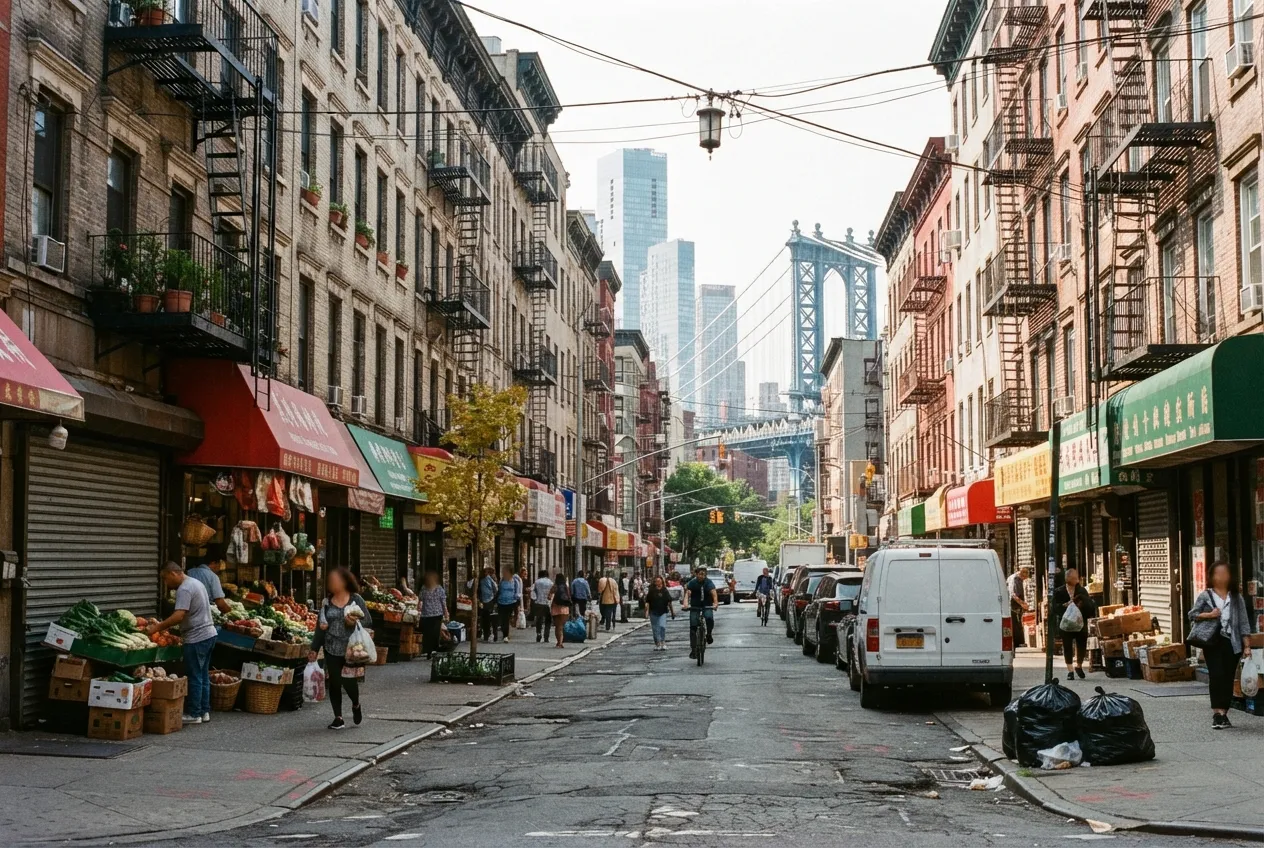
Much of the housing in Chinatown is older: pre-war apartment buildings, narrow walk-ups, rowhouses, and buildings with storefronts below and apartments above. Chimneys in buildings like these have usually outlived several generations of heating equipment. A flue built for a coal stove or an oil burner decades ago may now vent a gas boiler, and the original masonry or clay tile was not designed for that kind of exhaust.
Shared walls and close neighbors also matter here. When a flue leaks, smoke, heat or carbon monoxide can travel into spaces you did not expect, including adjoining units. A sound liner keeps exhaust moving straight up and out of the building.
Oil-to-Gas Conversions and Your Flue
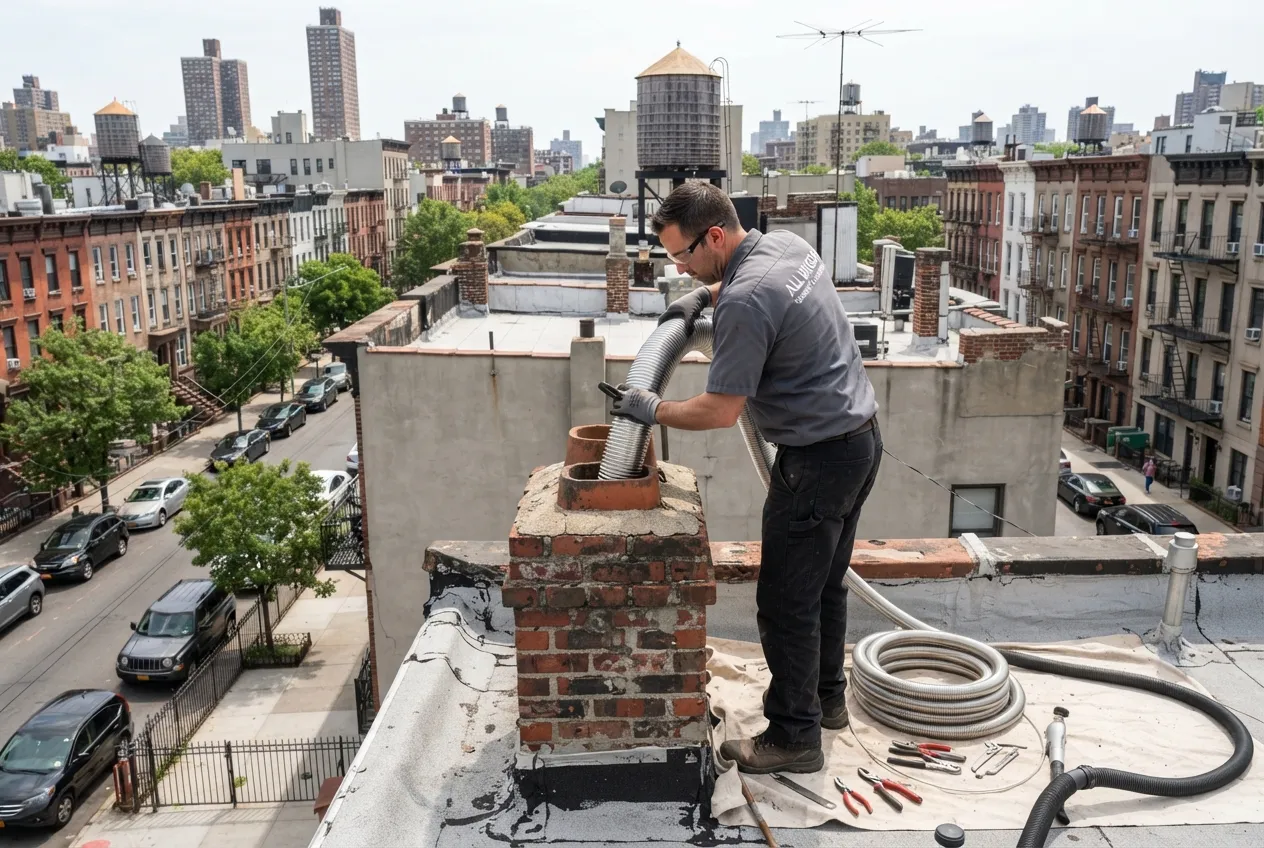
When a New York City building converts its boiler from oil to gas, the chimney has to be evaluated as part of the work. A new liner is often needed because gas exhaust produces acidic condensate that can corrode a masonry flue from the inside. Over time that moisture can loosen mortar, flake off tile, and leave debris that blocks the flue.
If your building is planning a conversion, it helps to bring us in early. We can inspect the chimney, tell you whether the existing flue can be used, and coordinate the liner work with your heating contractor so the new boiler is venting through a flue sized and built for it.
Signs Your Liner Needs Attention
Liner problems are not always visible from inside the home, which is why an inspection comes first. These are some common warning signs:
- Pieces of tile, mortar or flakes of masonry collecting at the base of the chimney or in the boiler's cleanout
- Water stains, damp spots or crumbling brick on walls near the chimney
- Smoke or exhaust odors in rooms or hallways, especially when the heat is running
- A new boiler, furnace or water heater, or a change from one fuel to another
- A carbon monoxide alarm that goes off without an obvious cause
- Rust or white staining around the chimney cap or flue connection
Time for your annual chimney check?
How We Install a Chimney Liner
We begin with a camera inspection of the flue so you can see its actual condition. Under the NFPA 211 standard, chimney professionals use a Level 2 inspection when a system changes, such as a new appliance or a switch of fuel, or when a home is sold. If a hidden hazard has to be reached by opening part of the chimney or building, a Level 3 inspection may be needed, and we will explain why before doing anything like that.
Next we size the liner to the appliance it will serve. A flue that is too large or too small can cause poor draft, condensation and backdrafting. For most gas and oil appliances we install stainless steel liners; for some masonry fireplaces and badly damaged flues, other options may make more sense, and we will walk you through them.
On installation day we clean the flue, run the liner from the top of the chimney down to the appliance connection, seal the top with a cap, and test the draft. We protect floors and work areas, and in multi-unit buildings we plan around tenants and shared spaces.
Timing Around Heat Season
New York City's heat season runs from October 1 through May 31, and building owners must keep apartments heated to the city's minimum temperatures during that time. Liner work usually means the connected boiler is shut down for part of the job, so many Chinatown owners schedule it in late spring or summer. If a problem turns up in winter, we can still help, and we will plan the work to keep the heating outage as short as we reasonably can.
We also serve nearby Two Bridges, the Lower East Side, Tribeca, Civic Center and SoHo.
More services in Chinatown
- Chimney Sweep in ChinatownLocal service & repairs
- Chimney Inspection in ChinatownLocal service & repairs
- Chimney Repair in ChinatownLocal service & repairs
- Air Duct Cleaning in ChinatownLocal service & repairs