The short answer
The NFPA 211 standard calls for chimneys, fireplaces and vents to be inspected once a year. In the Lower East Side, that usually means a Level 1 inspection, or a Level 2 if you've changed appliances or fuel, sold the property, or are converting a boiler from oil to gas.
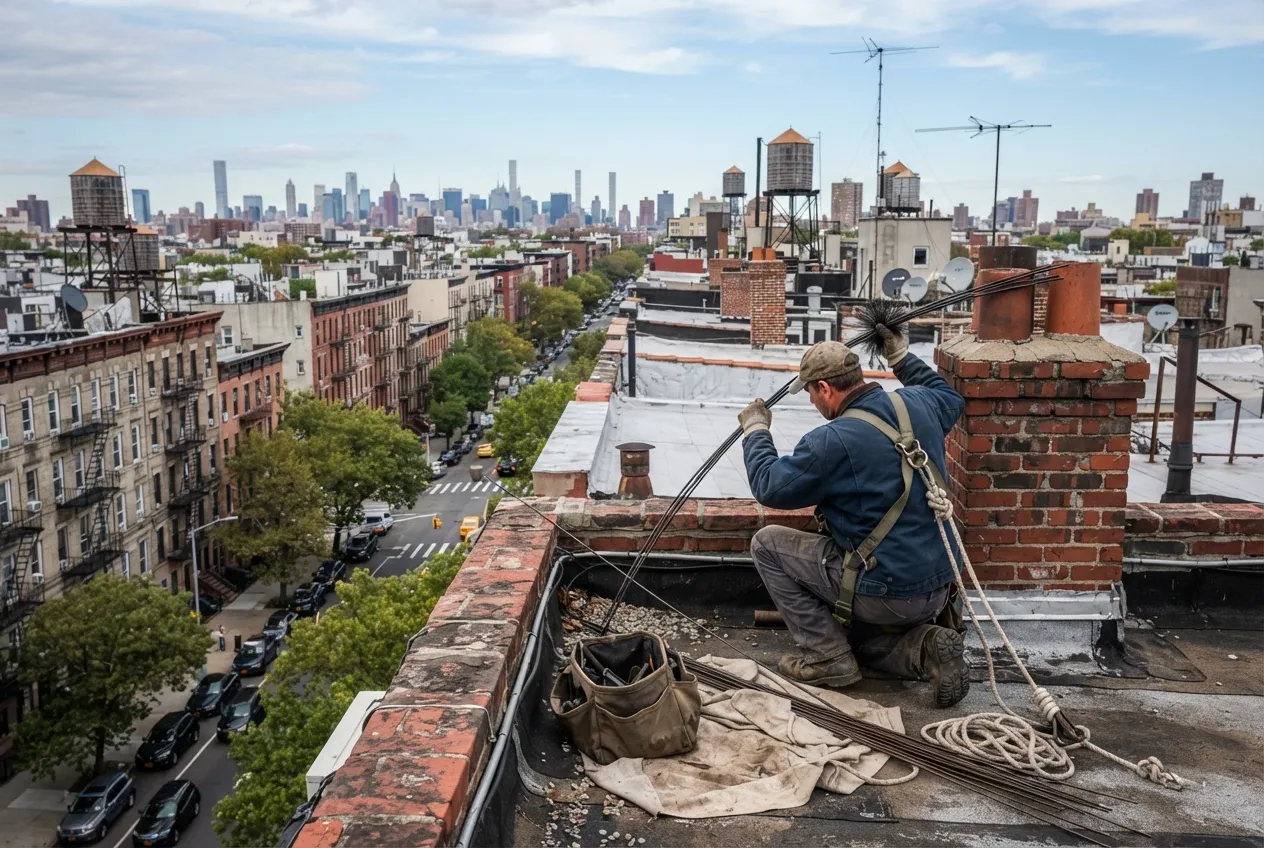
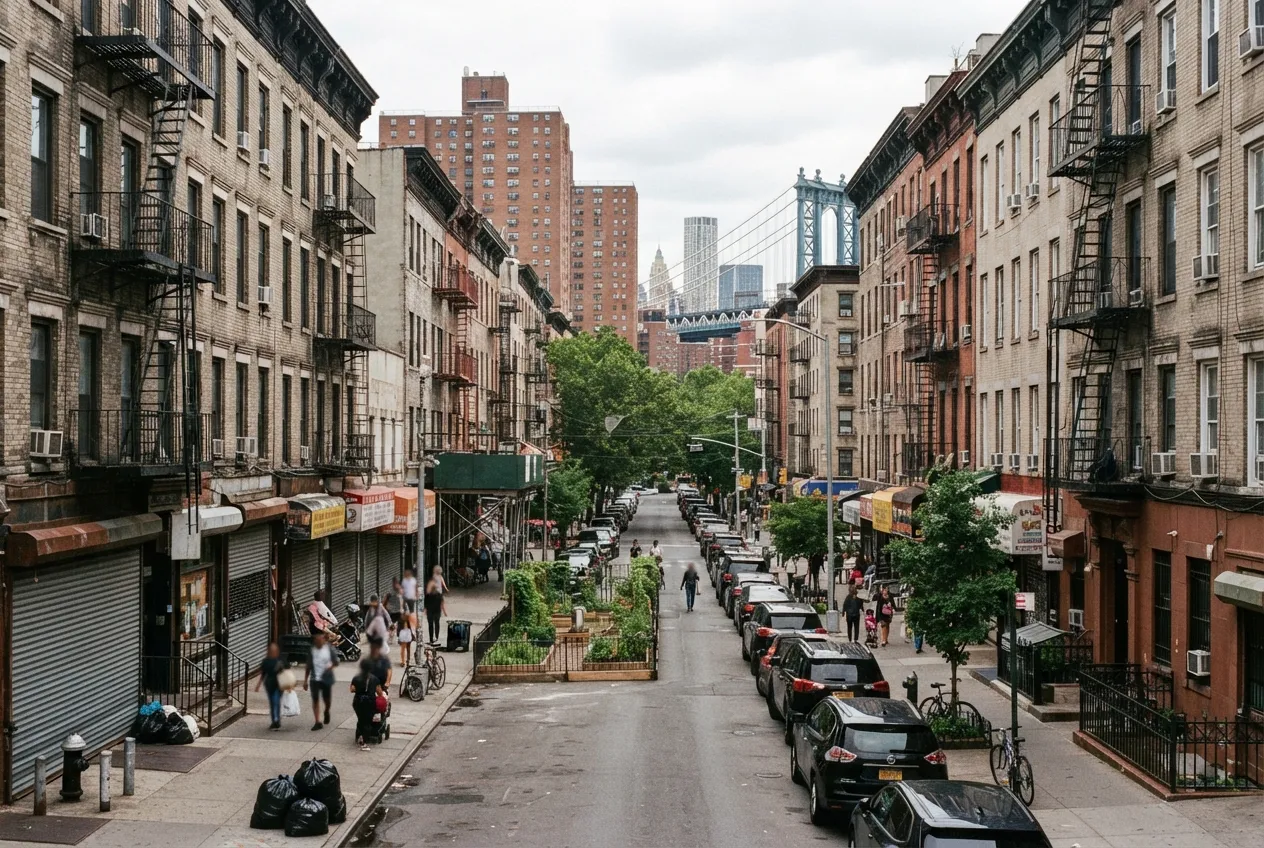
Many chimneys in the Lower East Side do more than serve a fireplace. In pre-war walk-ups, rowhouses and older apartment buildings, a single masonry stack may vent a boiler, a water heater, or a fireplace that hasn't been lit in years. EmberGuard Chimney Sweep inspects these systems for homeowners and building owners in ZIP code 10002, about a mile southeast of our Manhattan office. Our certified technicians examine the flue, liner, appliance connections and masonry. They explain what they find in plain language and tell you which level of inspection your situation calls for.
Which Inspection Level Your Chimney Needs
The NFPA 211 standard calls for an inspection of chimneys, fireplaces and vents once a year, even if you rarely use them. Chimney professionals use three levels of inspection. The right one depends on what has changed since the last time someone looked at your system.
Most Lower East Side homes need a Level 1 each year. We recommend a Level 2 when a building changes hands or gets new heating equipment. A Level 3 is uncommon, and we only suggest it when there is a specific reason.
- Level 1: For a system that hasn't changed. We check the accessible parts of the chimney, the flue and the appliance connections for soundness, blockage and buildup.
- Level 2: For a system that has changed, such as a new boiler or water heater, a switch of fuel, or the sale of the home. This level includes a closer look at the flue interior, attics, basements and other accessible spaces the chimney passes through.
- Level 3: For a suspected hidden hazard that can only be reached by opening part of the chimney or the building. We explain why before we recommend it.
What We Look For in Older Lower East Side Buildings
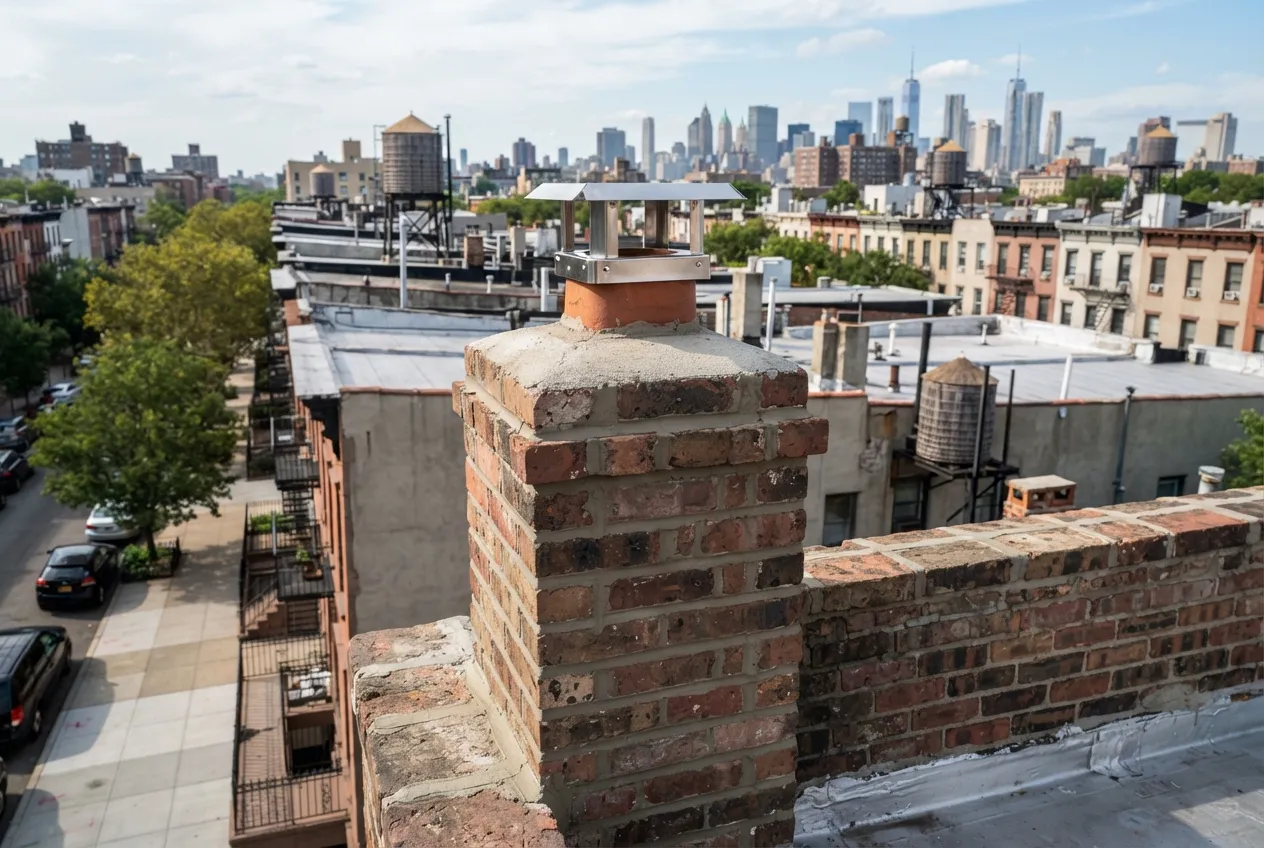
Much of the housing here is older masonry construction. These buildings have tall shared stacks, a long history of renovations, and fireplaces that may have been sealed, reopened or converted more than once. Over time that history leaves problems that aren't visible from inside the apartment.
During an inspection we pay close attention to the issues that typically show up in this kind of building:
- Deteriorated mortar joints and spalling brick at the top of the stack, where weather exposure is worst
- Cracked, missing or unlined flue sections in older masonry chimneys
- Boiler and water heater connector pipes that are loose, corroded or improperly sloped
- Debris, nesting material or fallen masonry blocking the flue
- Missing or damaged chimney caps and crowns that let water in
- Signs of water damage where the chimney passes through ceilings and walls
Converting a Boiler From Oil to Gas
Many buildings in the neighborhood have switched, or plan to switch, from oil heat to gas. When a New York City building converts its boiler from oil to gas, the chimney has to be evaluated as part of the work. A new liner is often needed because gas exhaust produces acidic condensate that can corrode a masonry flue that was built for oil.
A fuel change counts as a system change, so it calls for a Level 2 inspection. We check the existing flue's condition and size, whether it can safely vent the new appliance, and whether a liner is likely to be needed. You can then plan the conversion with an accurate picture of the chimney instead of finding problems in the middle of the job.
Time for your annual chimney check?
Scheduling Around Heat Season
New York City's heat season runs from October 1 through May 31. During that period building owners must keep apartments heated to the city's minimum temperatures. If a boiler flue turns out to have a problem in the middle of winter, repairs can collide with that obligation.
For that reason we suggest scheduling your annual inspection in late spring or summer. If the inspection turns up a liner, crown or connector issue, there is time to address it before the boiler has to run steadily again. Homeowners with wood-burning fireplaces benefit from the same timing, because the system is checked before the first fire of the fall.
After the Inspection
Once we finish, we go over the results with you. We describe the condition of each component we examined, point out anything that needs attention, and separate urgent safety problems from items you can plan for later. When photos or camera footage help make a problem clear, we share them so you can see what we saw.
Besides the Lower East Side, we inspect chimneys in nearby Chinatown, Two Bridges, the East Village, SoHo and Little Italy, so buildings throughout this part of Manhattan follow the same process.
More services in Lower East Side
- Chimney Sweep in Lower East SideLocal service & repairs
- Chimney Repair in Lower East SideLocal service & repairs
- Air Duct Cleaning in Lower East SideLocal service & repairs
- Chimney Liner Installation in Lower East SideLocal service & repairs