The short answer
Lower East Side chimneys usually need repairs to deteriorated mortar and brick, cracked crowns, and damaged or missing flue liners. Liner problems are especially common in buildings that have converted from oil to gas. EmberGuard inspects first, shows you what we found, and repairs the problem before the heating season puts the chimney under full load.
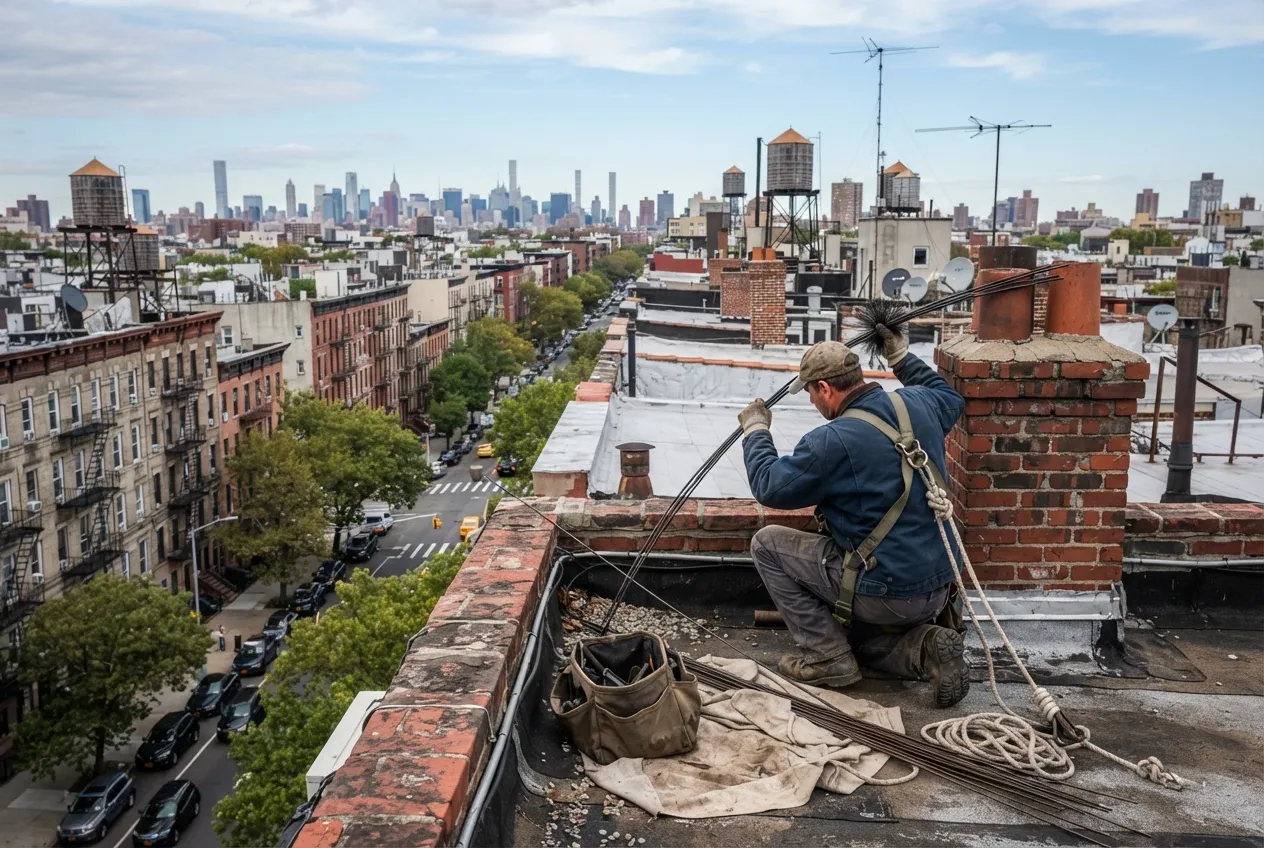
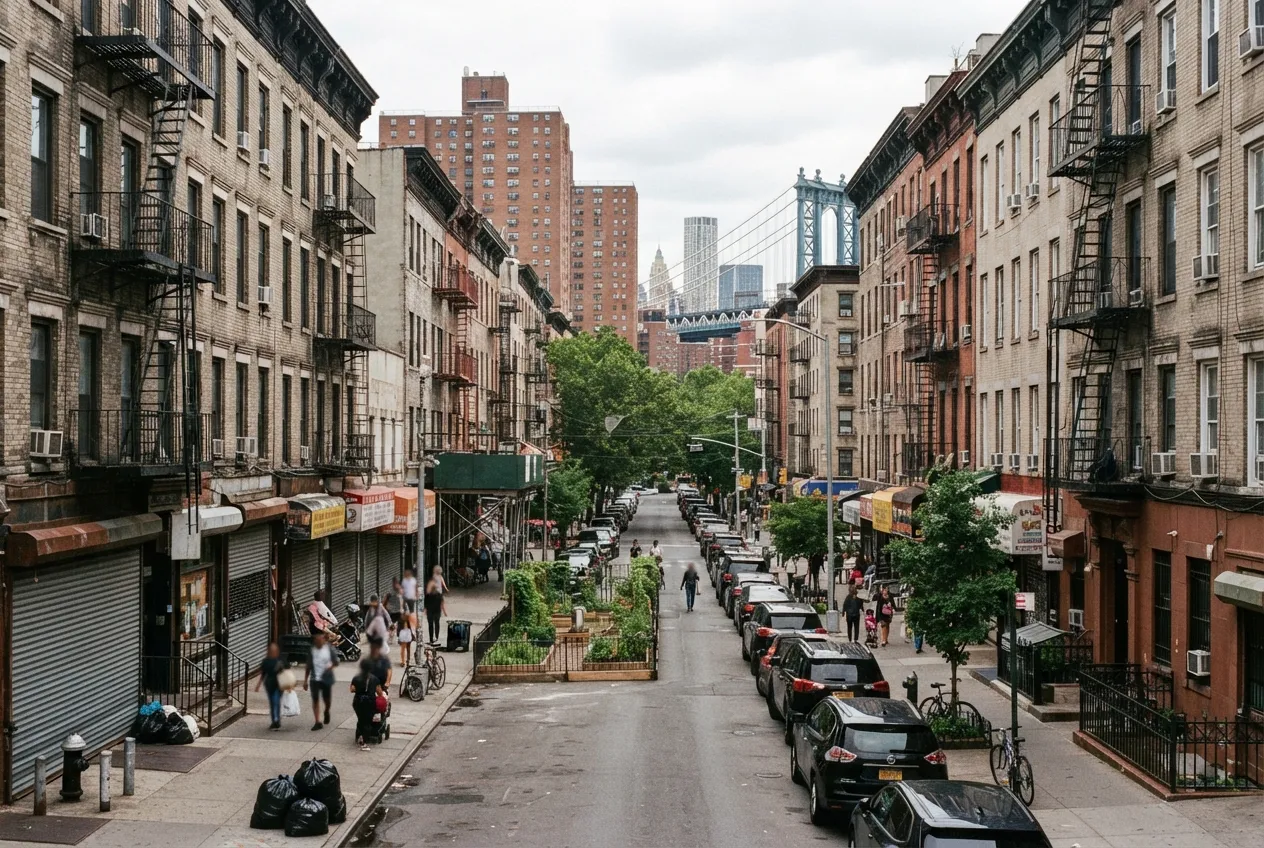
Chimneys in the Lower East Side carry a heavy load. Many sit on pre-war walk-ups and older apartment buildings where one masonry stack vents a boiler for every unit. Others serve rowhouses that still use a wood-burning or gas fireplace. Decades of freeze-thaw cycles, acidic exhaust, and patch jobs take a toll on brick, mortar, and flue liners. EmberGuard Chimney Sweep repairs chimneys throughout the 10002 ZIP code from our Manhattan office, about a mile away. Our certified technicians find the actual cause of the damage, explain it in plain terms, and fix it so the chimney vents safely through the heating season.
Common Chimney Problems in Lower East Side Buildings
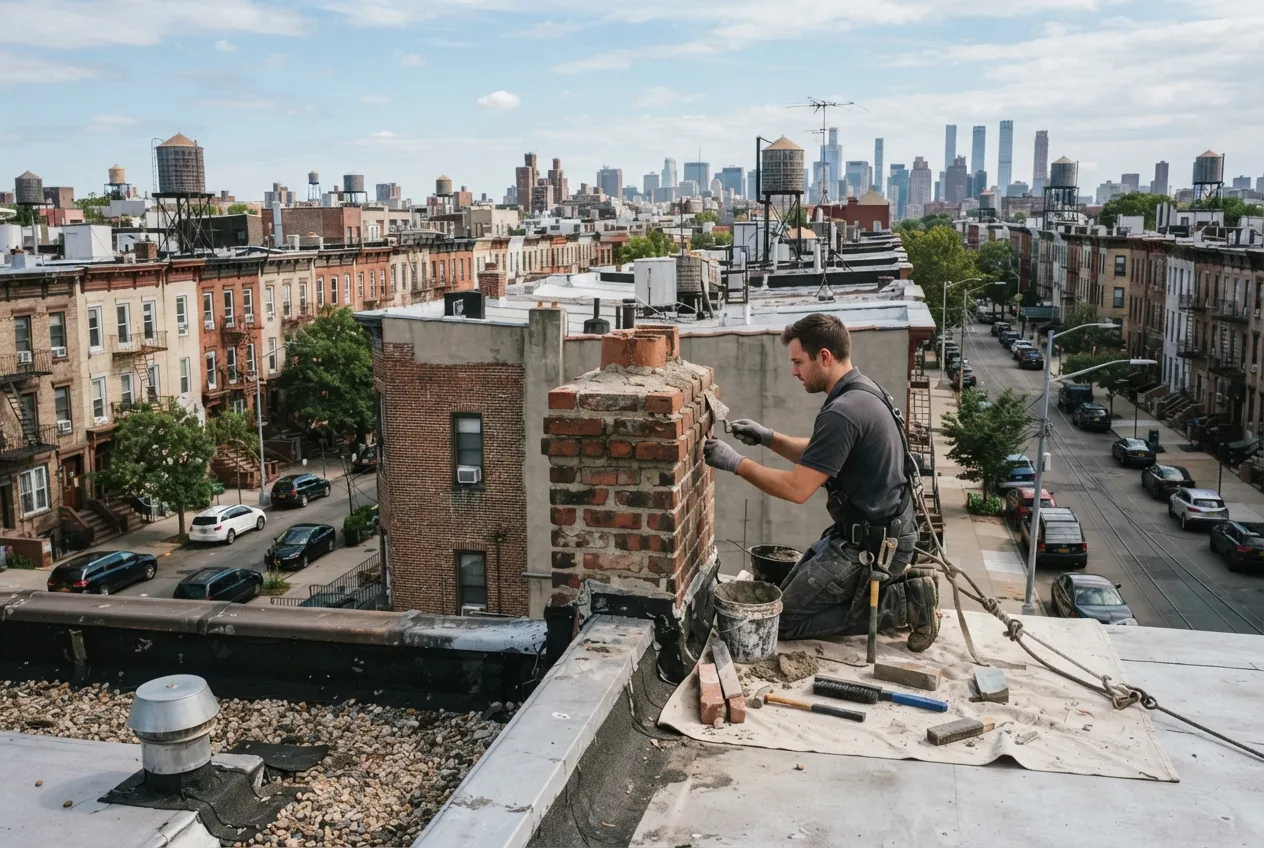
Most chimneys in the neighborhood are solid masonry, and many are old. The part above the roofline takes the most weather, so damage usually starts at the top and works its way down. On a building with several stories of apartments below, small leaks can travel a long way before anyone notices a stain on a ceiling or wall.
Inside the flue, the problems come from what the chimney vents. Boiler exhaust, fireplace smoke, and water vapor all wear on clay tile and mortar joints over time. A flue that looks fine from the roof can still have gaps or crumbling joints that let exhaust or heat reach the surrounding structure.
- Repointing of eroded or missing mortar joints
- Rebuilding loose or spalling brick above the roofline
- Repairing or recasting cracked chimney crowns
- Replacing rusted or missing chimney caps
- Resealing flashing where the chimney meets the roof
- Repairing or relining damaged clay-tile flues
- Fixing damper and smoke chamber problems in fireplace chimneys
Oil-to-Gas Conversions and Flue Liners
Many older Manhattan buildings have switched their boilers from oil to gas, and more are planning to. When a New York City building makes that change, the chimney has to be evaluated as part of the work. A new liner is often needed. Gas exhaust produces acidic condensate, and that moisture can corrode a masonry flue that was built for oil.
If your building has already converted and the chimney was never relined, watch for white staining on the exterior brick, flaking tile or debris at the base of the flue, or moisture in the boiler room. These signs point to a flue that may be breaking down. We can assess the existing flue and recommend a liner sized for the new equipment. We can also work alongside your heating contractor during a planned conversion.
Inspection Comes Before Repair
We don't quote repairs on guesswork. The NFPA 211 standard calls for chimneys, fireplaces, and vents to be inspected once a year, and it defines three inspection levels. A Level 1 inspection fits a chimney where nothing has changed. A Level 2 inspection applies when the system changes, such as a new boiler or a switch of fuel, or when the property is sold. A Level 3 inspection is used when a hidden hazard can only be reached by opening part of the chimney or building.
For most repair calls, we start with the level that matches your situation. We then walk you through what we found, often with photos or camera footage from inside the flue. That way you see the problem yourself before you decide on the work.
Time for your annual chimney check?
Plan Repairs Around the Heat Season
New York City's heat season runs from October 1 through May 31. During those months, building owners must keep apartments heated to the city's minimum temperatures. A boiler chimney that fails in January creates a much bigger problem than one repaired in the summer.
Late spring and summer are the easiest times to schedule masonry rebuilding, crown work, and relining. Mortar and patching materials also cure better in mild, dry weather. If you notice a problem during the heating season, call us anyway. Some repairs can be made safely while the system stays in service. Others may need a short, planned shutdown that you coordinate with your tenants.
Working in Tight Manhattan Buildings
Chimney repair in the Lower East Side often means roof access through a bulkhead or hatch, shared walls with the building next door, and residents who need to know what is happening. We coordinate with owners, supers, and managing agents on access and timing. We protect roofs and interior spaces during the work and clean up when we finish. We also serve nearby Chinatown, Two Bridges, the East Village, SoHo, and Little Italy.
More services in Lower East Side
- Chimney Sweep in Lower East SideLocal service & repairs
- Chimney Inspection in Lower East SideLocal service & repairs
- Air Duct Cleaning in Lower East SideLocal service & repairs
- Chimney Liner Installation in Lower East SideLocal service & repairs