The short answer
A Lower East Side chimney usually needs a new liner when the existing flue is cracked, unlined, or doesn't match the appliance venting into it. This happens most often after a boiler switches from oil to gas. EmberGuard evaluates the flue first, then installs a liner sized for your equipment.
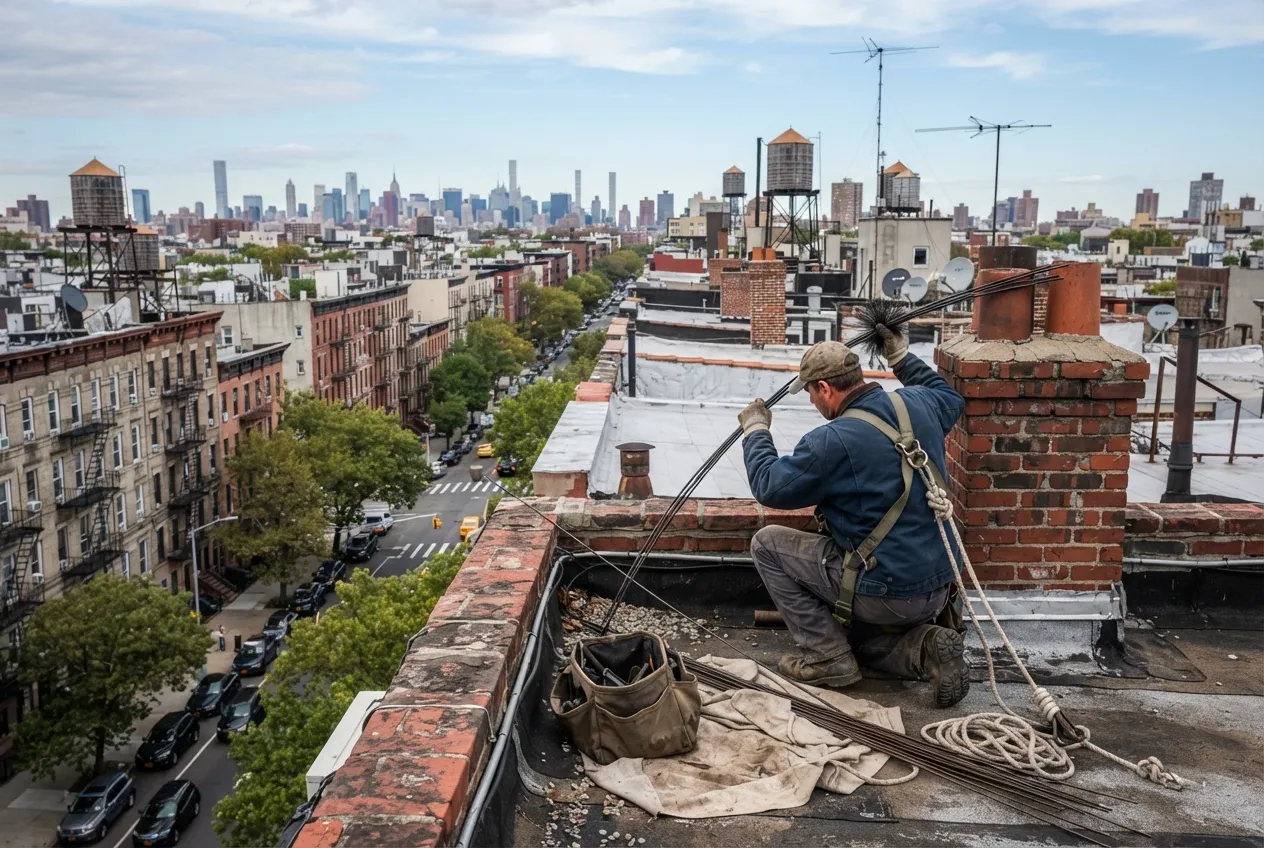
Most chimneys in Lower East Side buildings were built long before today's boilers, water heaters, and fireplace inserts existed. Many old masonry flues are unlined or have clay tile that has cracked or shifted after decades of use. A liner gives exhaust a sound, properly sized path out of the building and protects the surrounding brick from heat and corrosive byproducts. EmberGuard Chimney Sweep installs chimney liners for homes and buildings in the 10002 ZIP code. Our office is about a mile away in Manhattan, so we can return easily for follow-up work. Our certified technicians start by checking the flue you have and then recommend the liner that fits your appliance and your chimney.
Why Liners Matter in Lower East Side Buildings
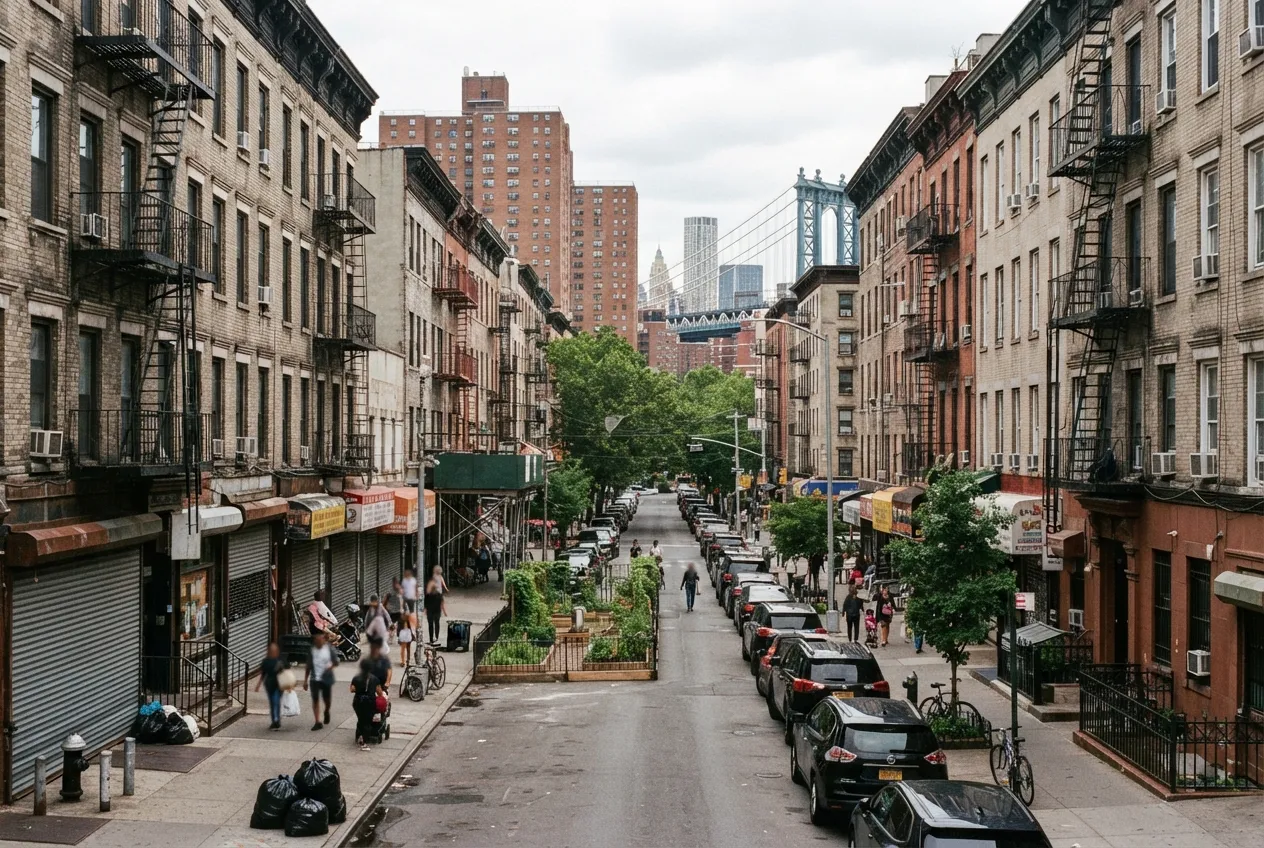
The neighborhood's housing is mostly older masonry: walk-up tenement-style buildings, rowhouses, and pre-war apartment buildings, with some newer construction mixed in. In older buildings, the chimney often serves a central boiler, and sometimes a fireplace as well. These flues were sized and built for the fuels of their time. Mortar joints and clay tiles wear down over years of heating seasons.
An undersized, oversized, or damaged flue can cause poor draft, condensation inside the chimney, and exhaust leaking into living spaces or into the masonry. A properly sized liner fixes these problems at the source. It doesn't rely on patching an interior you can't see.
Oil-to-Gas Conversions and Your Chimney
Many buildings in the neighborhood have moved, or are moving, from oil heat to gas. When a New York City building converts its boiler from oil to gas, the chimney has to be evaluated as part of that work. A new liner is often needed.
The reason is chemistry. Gas exhaust produces acidic condensate, and that moisture can corrode a masonry flue that handled oil exhaust without trouble. Adding a liner made for the new appliance keeps that condensate from eating into the brick and mortar. If your building is planning a conversion, bring us in early. Liner work can then be scheduled alongside the boiler installation instead of holding it up.
Signs Your Flue May Need a New Liner
Some warning signs are easy to spot. Others only show up during an inspection. Call us to take a look if you notice any of these:
- You are replacing a boiler or water heater, or switching fuel types
- Flakes of tile, brick, or mortar are collecting at the base of the chimney
- There are water stains, white mineral deposits, or crumbling masonry on the chimney walls
- Smoke or exhaust odors linger indoors, or the fireplace drafts poorly
- A camera inspection shows cracked tiles, gaps in joints, or no liner at all
- You are adding a fireplace insert or wood stove to an existing fireplace
Time for your annual chimney check?
How Liner Installation Works
The NFPA 211 standard calls for chimneys, fireplaces, and vents to be inspected once a year. Professionals use three inspection levels. Level 1 applies when nothing has changed. Level 2 applies when the system changes, such as a new appliance or a fuel switch, or when the home is sold. Level 3 applies when a hidden hazard can only be reached by opening part of the chimney or building. A liner project usually begins with a Level 2 inspection, because adding a liner is itself a system change.
From there, the process typically looks like this:
- Camera inspection of the full flue to document its condition
- Measuring the flue and matching liner size and material to the appliance
- Cleaning the chimney so the liner goes into a clear passage
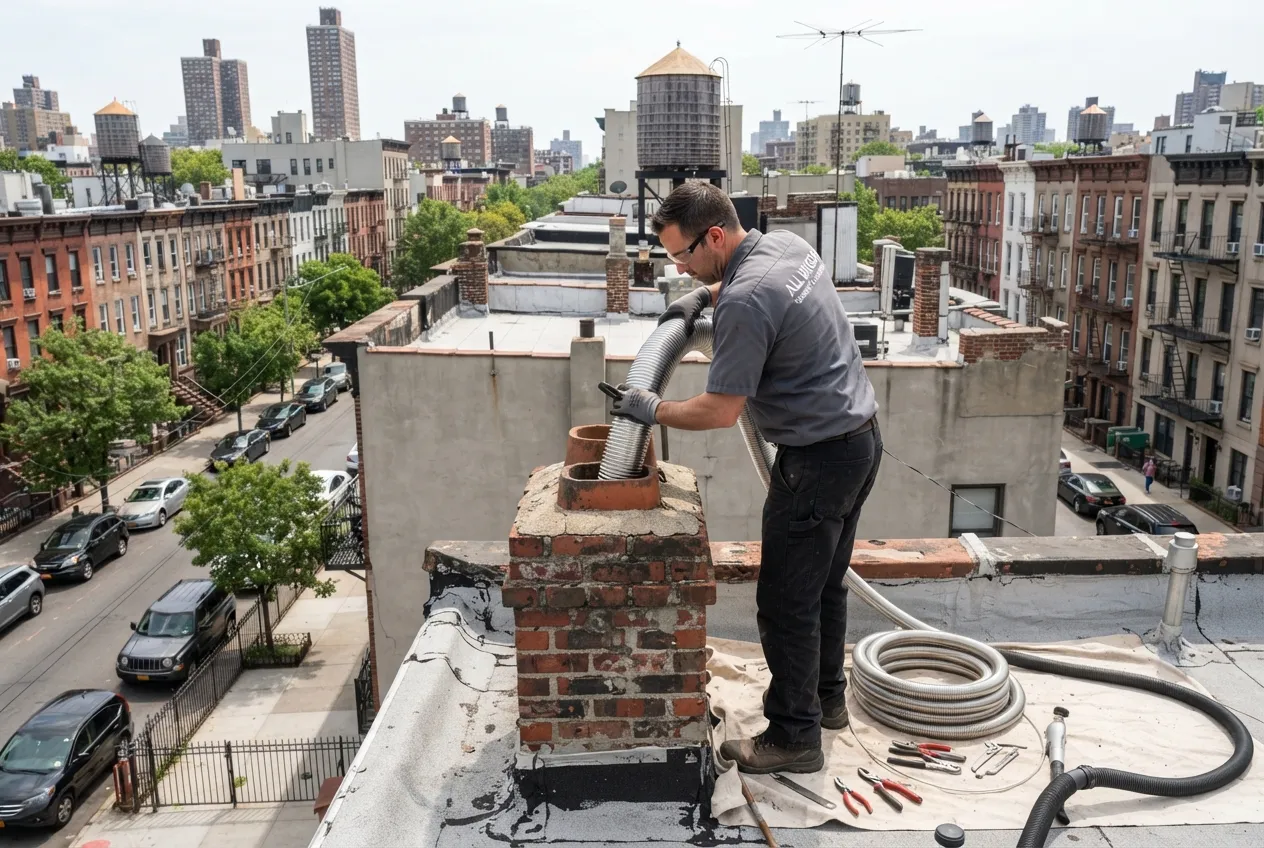
- Installing the liner and connecting it at the top and at the appliance
- Checking draft and connections, and sharing photos of the finished work
Planning Around Heat Season
New York City's heat season runs from October 1 through May 31. During those months, building owners must keep apartments heated to the city's minimum temperatures. If a boiler flue needs a liner, late spring and summer are the easiest times to do the work without interrupting heat for residents. If a problem turns up mid-season, we'll talk through how to keep downtime as short as possible.
Beyond the Lower East Side, we also install liners in Chinatown, Two Bridges, East Village, SoHo, and Little Italy.
More services in Lower East Side
- Chimney Sweep in Lower East SideLocal service & repairs
- Chimney Inspection in Lower East SideLocal service & repairs
- Chimney Repair in Lower East SideLocal service & repairs
- Air Duct Cleaning in Lower East SideLocal service & repairs