The short answer
A chimney inspection in SoHo checks whether your fireplace, stove, or boiler flue is safe to use, following the NFPA 211 standard's call for a yearly inspection. Most homes need a Level 1 inspection. A Level 2 is the right choice after a renovation, fuel switch, new appliance, or home sale.
SoHo homes have chimneys that have been through a lot: loft conversions, boiler swaps, and fireplaces that sat unused for years before someone decided to light them again. EmberGuard Chimney Sweep runs chimney inspections out of our office at 489 Broome St, so homes in the 10012 ZIP code are close by. Our certified technicians look at the whole system, from the firebox or appliance connection to the top of the flue. You get a clear account of the chimney's condition and what, if anything, needs attention before you use it.
Why SoHo Chimneys Deserve a Careful Look
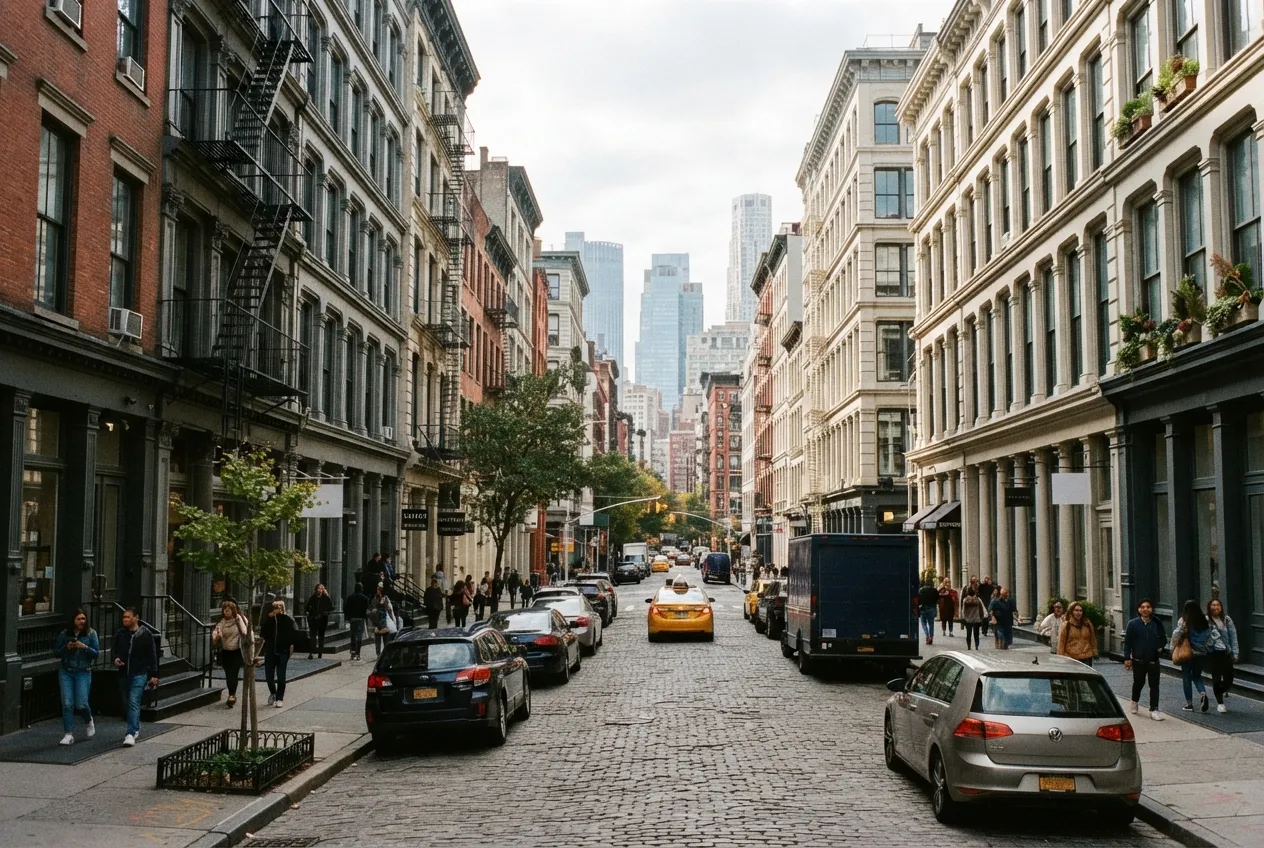
Much of SoHo's housing stock is older: converted loft buildings, pre-war apartment buildings, and rowhouses with masonry chimneys that were built long before modern appliances. Many of these flues have been altered over time. A fireplace may have been closed off and reopened, a heating system may have been replaced, or a renovation may have changed what's connected to the chimney.
Each change can leave problems that aren't visible from the room. Common examples are cracked or missing flue tiles, deteriorated mortar joints, debris or nesting material from years of disuse, and connections that don't match the current appliance. An inspection finds these issues so you can decide what to do with accurate information instead of guesses.
Choosing the Right Inspection Level
The NFPA 211 standard calls for chimneys, fireplaces, and vents to be inspected once a year. Chimney professionals use three levels of inspection, and the right one depends on what has happened to your home and chimney.
- Level 1: For a chimney that's in regular use and hasn't changed. We examine the readily accessible parts of the chimney, the appliance, and the connection between them.
- Level 2: For when the system changes, such as a new appliance or a switch of fuel, or when the home is being sold. This is a more thorough look, usually including a camera inspection of the flue's interior.
- Level 3: For when a hidden hazard is suspected and the only way to reach it is to open part of the chimney or building. This level is uncommon, and we'll explain why it's needed before any work starts.
Oil-to-Gas Conversions and Flue Liners
If your building is converting its boiler from oil to gas, the chimney must be evaluated as part of that work in New York City. The concern is real. Gas exhaust produces acidic condensate that can corrode a masonry flue, so a new liner is often needed.
We inspect the existing flue, report its condition, and explain whether a liner is likely to be required. Getting the inspection done early helps owners and boards plan the conversion without surprises halfway through.
Time for your annual chimney check?
Timing Your Inspection Around Heat Season
New York City's heat season runs from October 1 through May 31. During those months, building owners must keep apartments heated to the city's minimum temperatures. For buildings that rely on a boiler venting through a chimney, a flue problem found in January is much harder to handle than one found in summer.
That's why late spring and summer work well for inspections. There's time to schedule any repairs before the heating system has to run every day. The same advice applies to fireplace owners: have the chimney checked before the first fire of the fall, not after.
What to Expect During the Visit
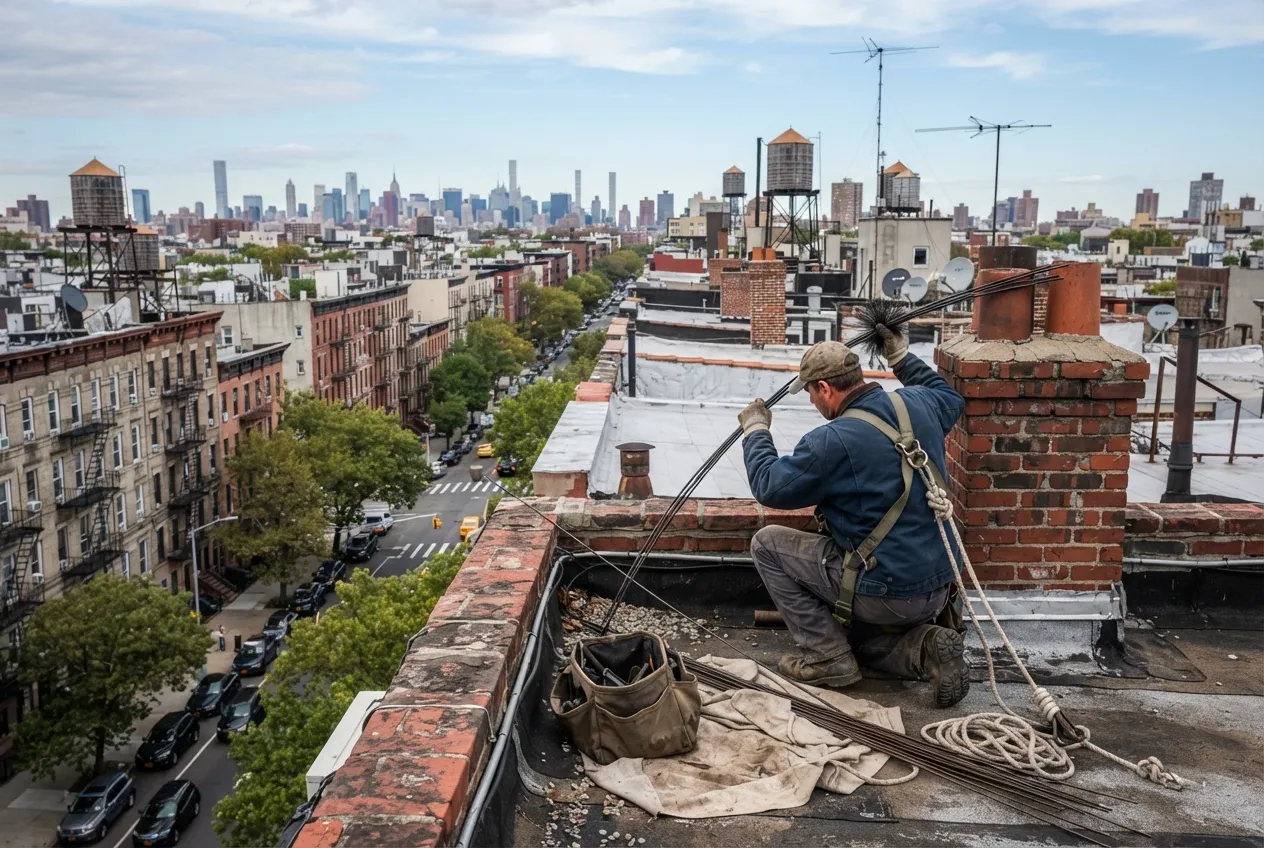
Our technicians protect the area around the fireplace or appliance, then work through the system step by step. We share what we find in plain language, with photos or camera footage where they help, and separate urgent safety issues from items that can wait.
- Firebox, damper, smoke chamber, and flue condition
- Liner integrity and signs of corrosion or cracking
- Creosote and soot buildup, blockages, and nesting debris
- Appliance connections and venting for boilers and water heaters
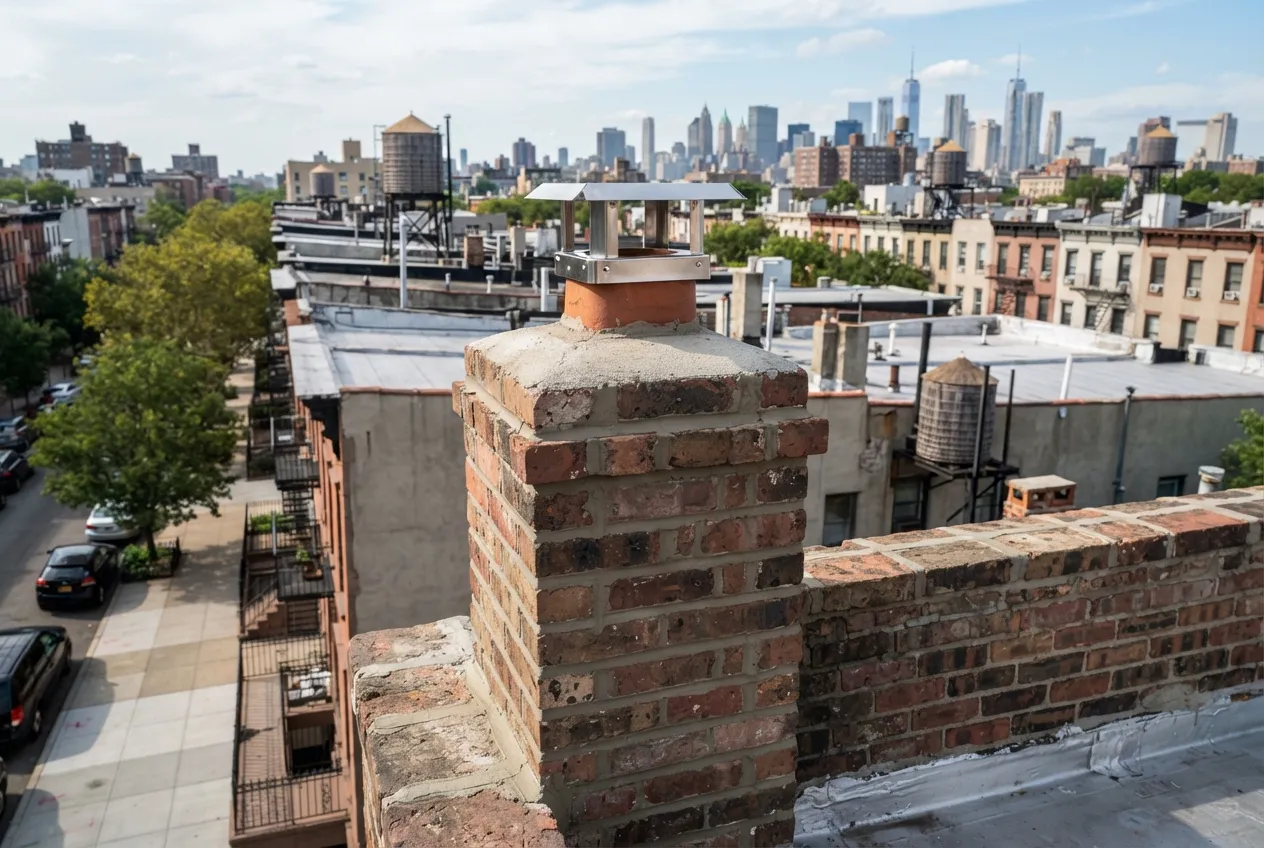
- Visible exterior masonry, crown, and cap where accessible
Serving SoHo and Nearby Neighborhoods
Because our office is on Broome Street, SoHo is home base for us. We also inspect chimneys in Little Italy, Hudson Square, Tribeca, Civic Center, and Greenwich Village, where the mix of rowhouses, brownstones, and pre-war buildings raises many of the same questions.
More services in SoHo
- Chimney Sweep in SoHoLocal service & repairs
- Chimney Repair in SoHoLocal service & repairs
- Air Duct Cleaning in SoHoLocal service & repairs
- Chimney Liner Installation in SoHoLocal service & repairs