The short answer
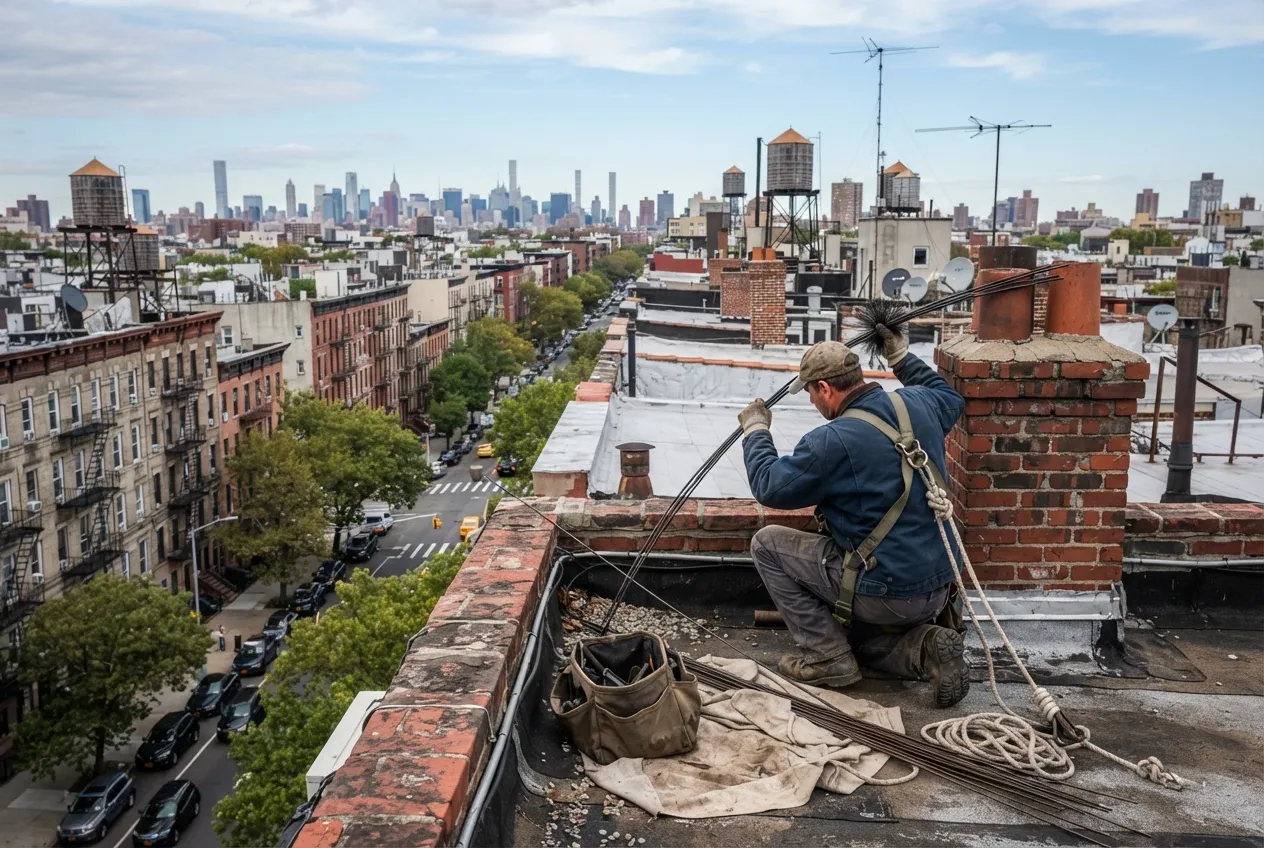
The NFPA 211 standard calls for chimneys, fireplaces and vents to be inspected once a year. In Tribeca, the level of inspection depends on whether anything about your system has changed, such as a new appliance, a fuel switch, or a home sale. EmberGuard's certified technicians match the inspection level to your situation and explain what they find.
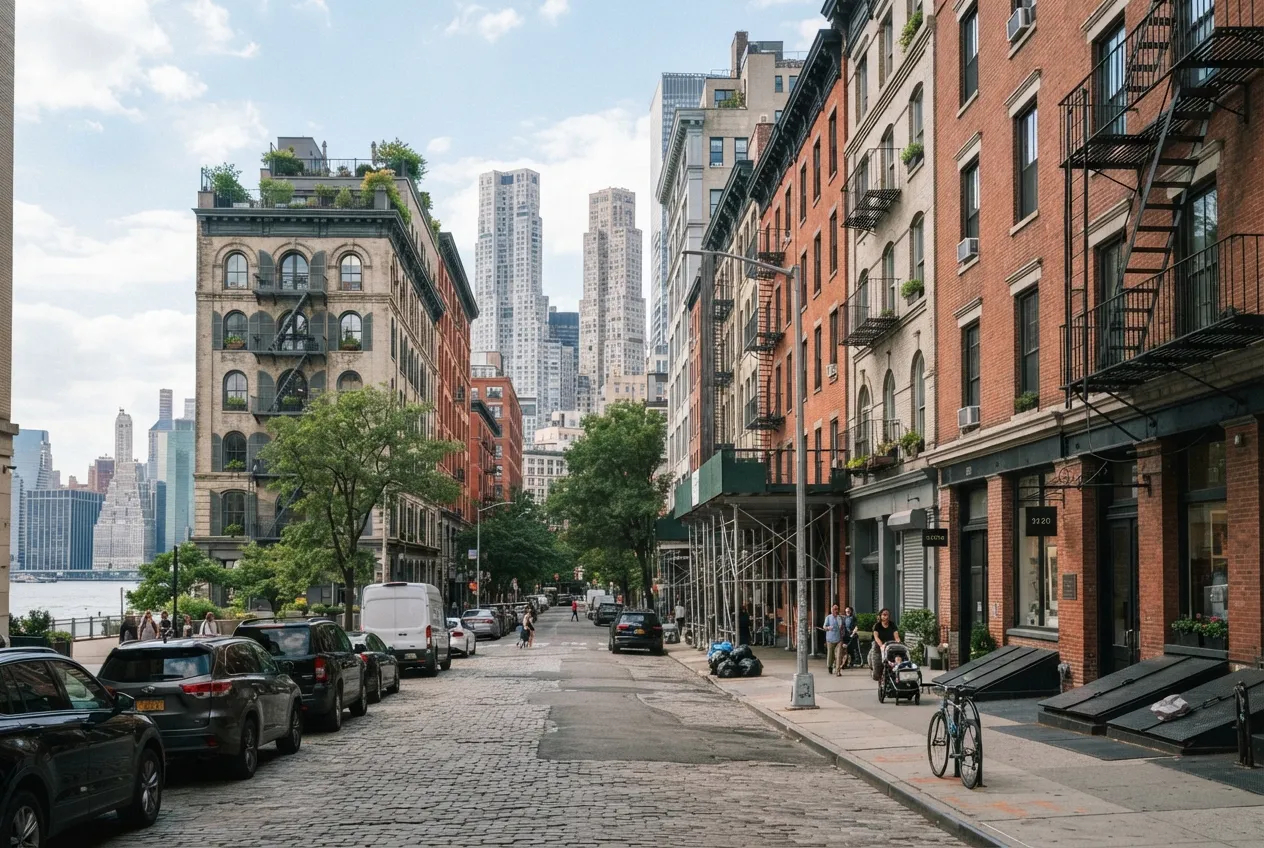
Tribeca homes often have older chimneys and new uses. Many buildings started as warehouses or commercial lofts, and pre-war apartment buildings and rowhouses sit alongside them. Chimneys here may serve a wood-burning fireplace, a gas insert, a boiler, or nothing at all for years before someone wants to use them again. EmberGuard Chimney Sweep is about a mile northeast of Tribeca in Manhattan, and our certified technicians inspect chimneys throughout ZIP codes 10007, 10013, 10278 and 10279. An inspection tells you what condition your chimney is in, whether it is safe for the way you plan to use it, and what needs attention before the next heating season.
Which Inspection Level Fits Your Tribeca Home
Chimney professionals use three inspection levels, and the right one depends on what has happened since the chimney was last checked. Choosing the correct level avoids paying for more than you need while still catching problems that matter.
- Level 1: For chimneys that are used the same way as before with no changes. We check the accessible parts of the firebox, damper, flue and exterior for soot buildup, blockages and visible damage.
- Level 2: For a changed system, such as a new insert or stove, a switch from wood to gas, or an oil-to-gas boiler conversion. It is also the right choice when a home is being bought or sold. This level includes a camera inspection of the flue's interior.
- Level 3: For a suspected hidden hazard that can only be reached by opening part of the chimney or the surrounding building, such as concealed damage found during a Level 2 inspection.
What We Look For in Loft and Pre-War Buildings
Many Tribeca residences are in converted industrial buildings, where chimneys were built for different equipment than what is there today. Renovations may have closed off old flues, run new venting through existing masonry, or put a fireplace into a space that was designed for something else. We trace where your flue actually goes and confirm it is connected and sized properly for the appliance it serves.
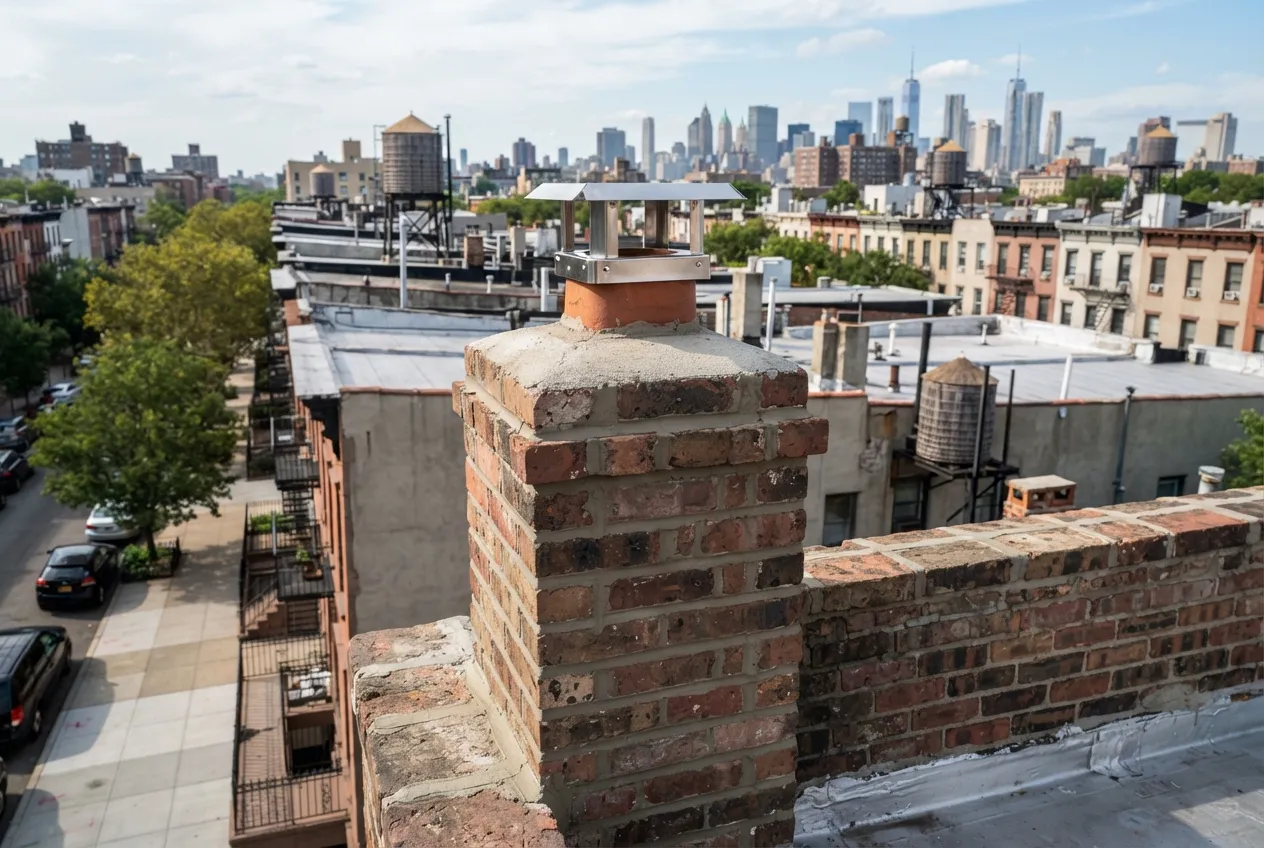
In pre-war apartment buildings and rowhouses, we pay close attention to the masonry and mortar, the condition of any clay tile liner, and the chimney crown and cap at the roof. Decades of freeze-thaw cycles can crack tiles and open gaps you cannot see from inside the room. Shared walls make this more important, because flue gas or heat escaping through a damaged liner can affect neighboring units.
Oil-to-Gas Conversions and Chimney Liners
When a New York City building converts its boiler from oil to gas, the chimney has to be evaluated as part of the work. A new liner is often needed, because gas exhaust produces acidic condensate that can corrode a masonry flue designed for oil. If your building is planning a conversion, or has already finished one without a chimney review, a Level 2 inspection will document the flue's condition and show whether relining should be part of the project.
We give building owners, managers and contractors clear findings with photos from the camera inspection, so decisions about the boiler and the chimney can be made together.
Time for your annual chimney check?
Timing Around the Heat Season
New York City's heat season runs from October 1 through May 31. During that time, building owners must keep apartments heated to the city's minimum temperatures. If a heating system's chimney needs repair, finding out in midwinter puts pressure on everyone. We recommend scheduling the annual inspection in late spring or summer, when any repairs or relining can be done before the boiler has to run.
For homeowners with fireplaces, an inspection before the first fire of the fall lets you check for nests, debris and creosote that may have built up since last season.
Serving Tribeca and Nearby Neighborhoods
Because we are close by, scheduling in Tribeca is straightforward, and we work with doormen, supers and building management to arrange roof and basement access. We also inspect chimneys in Civic Center, SoHo, Little Italy, Hudson Square and the Financial District. After every inspection, your technician walks you through what was found, what is urgent, and what can wait.
More services in Tribeca
- Chimney Sweep in TribecaLocal service & repairs
- Chimney Repair in TribecaLocal service & repairs
- Air Duct Cleaning in TribecaLocal service & repairs
- Chimney Liner Installation in TribecaLocal service & repairs