The short answer
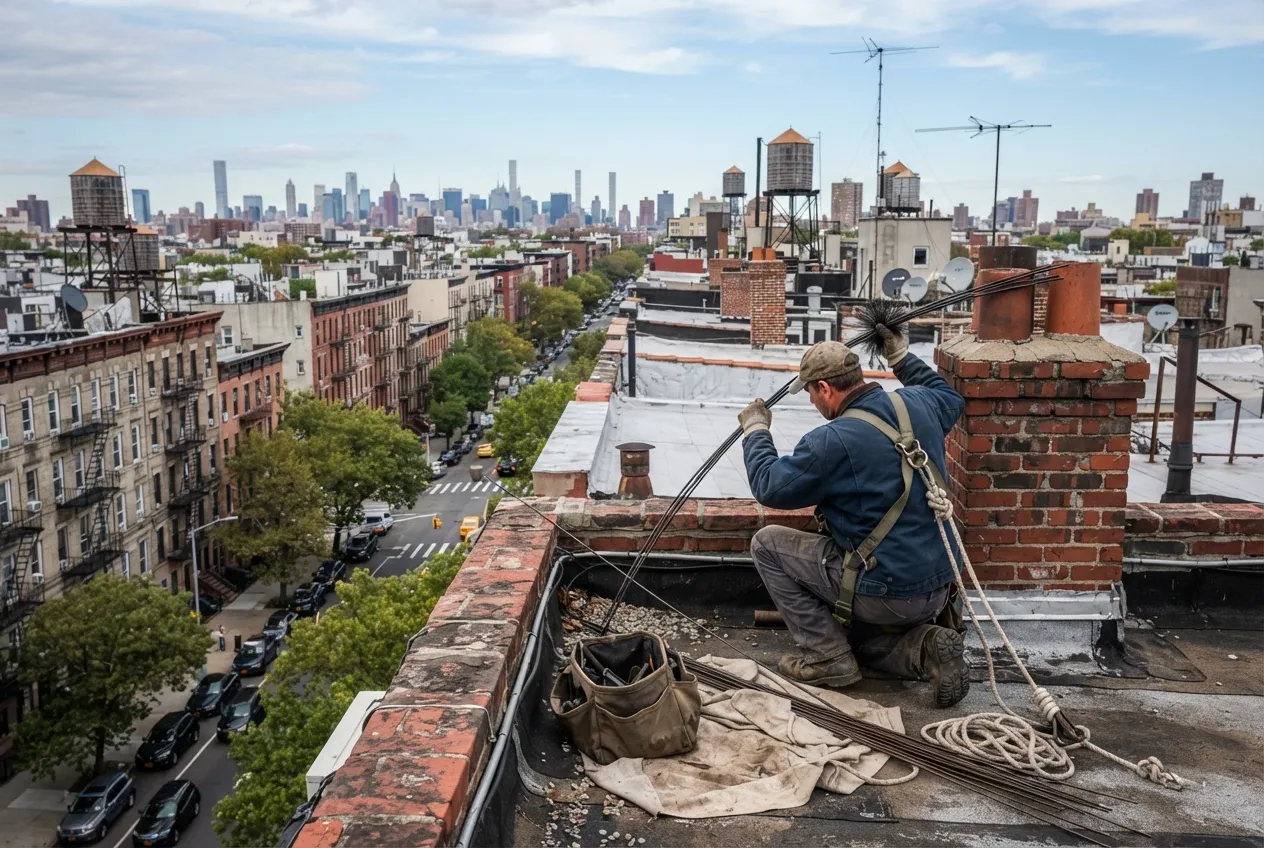
Chimneys, fireplaces and vents should be inspected once a year under the NFPA 211 standard, and more thoroughly when you change appliances or fuel, or buy or sell a home. EmberGuard Chimney Sweep performs Level 1, 2 and 3 chimney inspections for homes and buildings in Civic Center, Manhattan.
Most chimneys in Civic Center are hard to see from the inside. A fireplace in a loft conversion, a decorative flue in a pre-war apartment, or a boiler chimney that serves a whole mixed-use building can all look fine from the room while hiding cracked tile, loose mortar, debris or a liner that no longer fits the appliance it serves. EmberGuard Chimney Sweep inspects chimneys, fireplaces and vents for homeowners and building owners in Civic Center, about a mile southwest of our Manhattan office. Our certified technicians look at the whole venting system, explain what they find in plain terms, and tell you whether it is safe to use as it is.
Why Civic Center Chimneys Need a Yearly Check
The NFPA 211 standard calls for chimneys, fireplaces and vents to be inspected once a year. That applies whether you burn wood several nights a week or only run a gas appliance that vents through an older masonry flue. Problems inside a flue rarely announce themselves before they become a fire or carbon monoxide hazard.
Timing matters in New York City. The city's heat season runs from October 1 through May 31, when building owners must keep apartments heated to the city's minimum temperatures. A boiler chimney that needs repair is far easier to deal with in late summer than in the middle of January, when the heating system cannot simply be shut down. For fireplaces, an inspection before the first cold weekend lets you use them with confidence.
The Three Inspection Levels, Explained
Chimney professionals use three levels of inspection. We recommend the level that matches your situation instead of defaulting to the most involved one.
- Level 1: For a chimney that has not changed since its last inspection and is in regular use. We examine the readily accessible parts of the chimney, the firebox or appliance connection, and check for blockages and buildup.
- Level 2: Needed when the system changes, such as installing a new appliance or switching fuel, or when the home is sold. It goes further, including a camera view of the flue interior and a look at accessible areas like attics and basements.
- Level 3: Used when a hidden hazard has to be reached by opening part of the chimney or building. We only recommend this when a Level 1 or Level 2 inspection points to a problem that cannot be evaluated any other way.
Older Buildings, Lofts and Converted Spaces
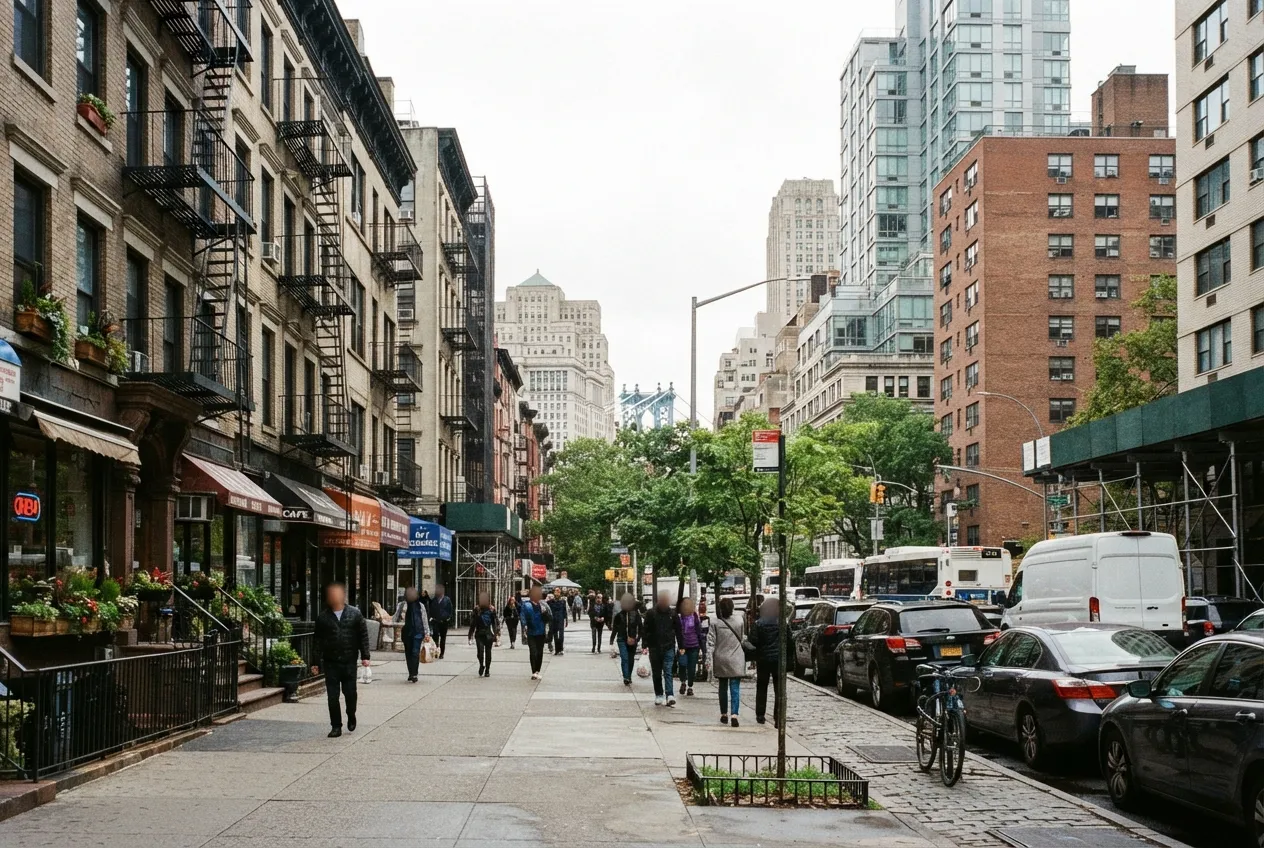
Housing in and around Civic Center leans toward pre-war apartment buildings, loft conversions in former commercial buildings, and mixed-use properties. Chimneys in these buildings were often built for one purpose and later adapted for another. A flue that once served a coal or oil boiler may now carry exhaust from a different appliance, and fireplaces in some units may share structure with neighboring flues.
During an inspection we pay close attention to how each flue is used today, whether the liner is the right size and material for the appliance connected to it, and whether there are signs of water entry, deteriorating mortar or separated liner joints. We also look for signs that a decorative fireplace is being used for real fires when it was never meant to be.
Time for your annual chimney check?
Oil-to-Gas Conversions and Chimney Liners
When a New York City building converts its boiler from oil to gas, the chimney has to be evaluated as part of the work. Gas exhaust produces acidic condensate that can corrode a masonry flue, so a new liner is often needed. If your building is planning a conversion, or completed one and is unsure whether the chimney was addressed, a Level 2 inspection will show the condition of the flue and whether the current liner suits the new equipment.
We document what we find with photos and notes so owners, boards and contractors can make decisions based on the actual condition of the chimney.
What You Get From Our Inspection
After the inspection, you will know whether the chimney is safe to use, what needs attention now, and what can be monitored over time. We separate urgent safety issues from routine maintenance so you can plan sensibly.
- A clear verdict on whether the fireplace, stove or appliance flue is safe to use
- Photos or camera footage of problem areas
- Notes on creosote or soot buildup and whether cleaning is needed
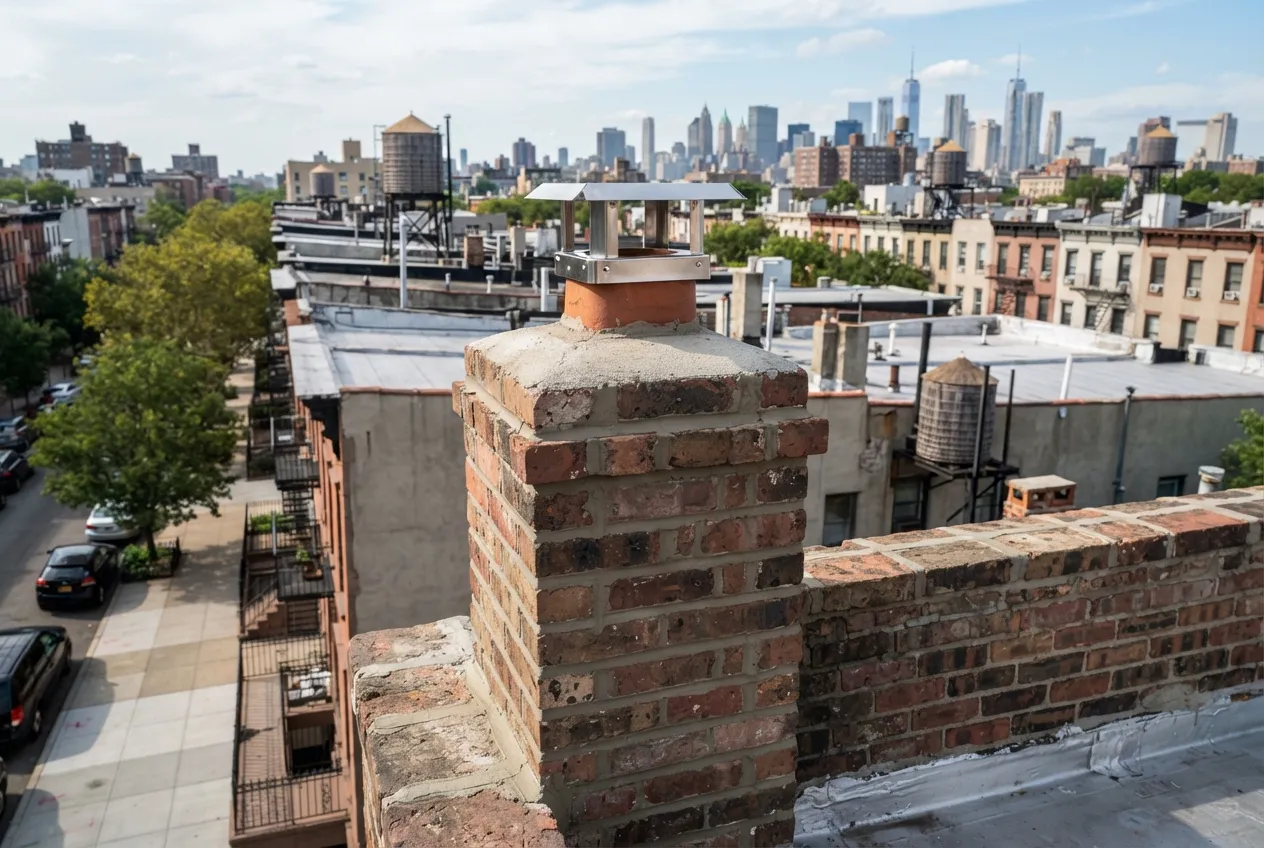
- Recommendations for repairs, liners, caps or crowns where appropriate
Serving Civic Center and Nearby Neighborhoods
We inspect chimneys throughout Civic Center, including the 10007, 10013, 10278 and 10279 ZIP codes. Our technicians also work in nearby Tribeca, SoHo, Little Italy, Hudson Square and the Financial District, so neighbors and buildings across Lower Manhattan can schedule with the same team.
More services in Civic Center
- Chimney Sweep in Civic CenterLocal service & repairs
- Chimney Repair in Civic CenterLocal service & repairs
- Air Duct Cleaning in Civic CenterLocal service & repairs
- Chimney Liner Installation in Civic CenterLocal service & repairs