The short answer
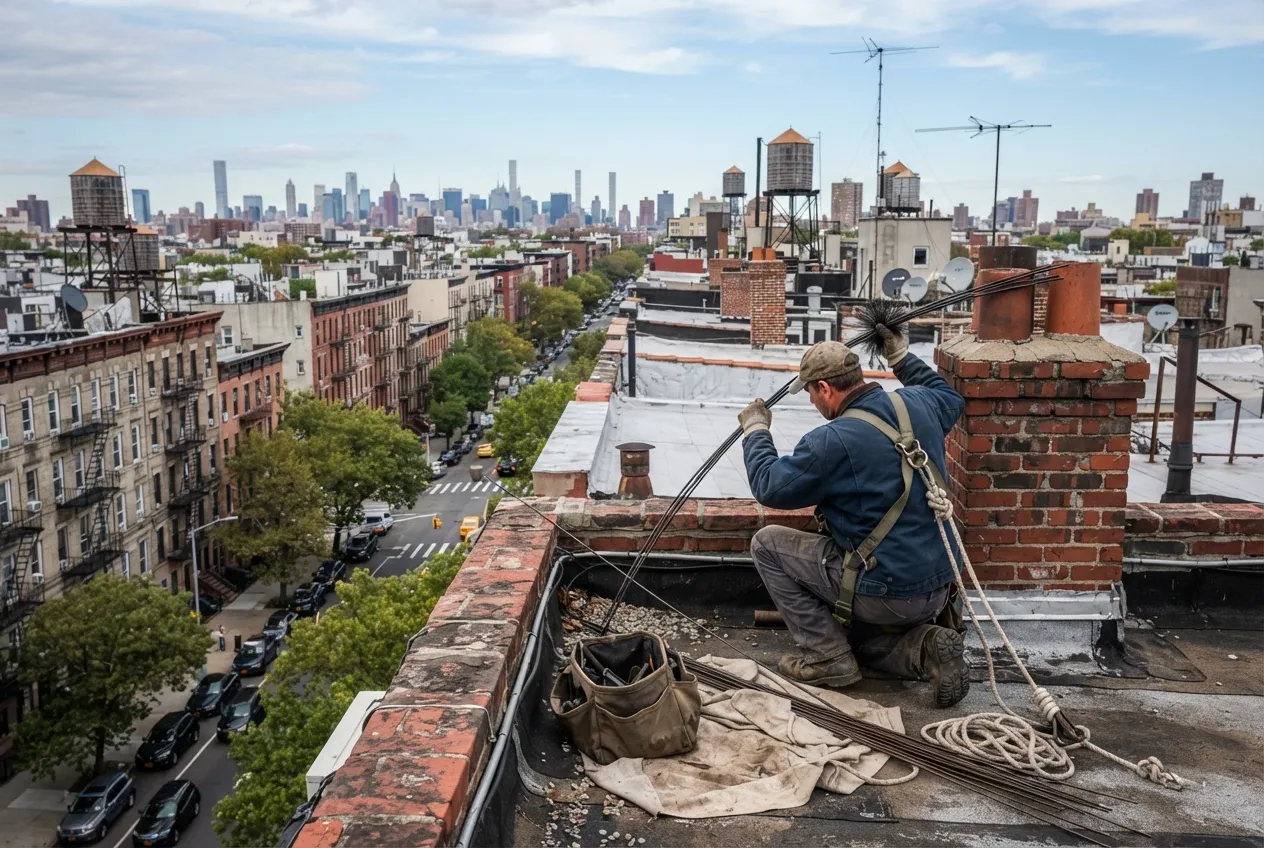
EmberGuard Chimney Sweep repairs chimney crowns, caps, masonry, flue liners and dampers for homes and residential buildings in Civic Center, Manhattan. Every repair starts with an inspection so we fix the actual cause, not only the visible symptom.
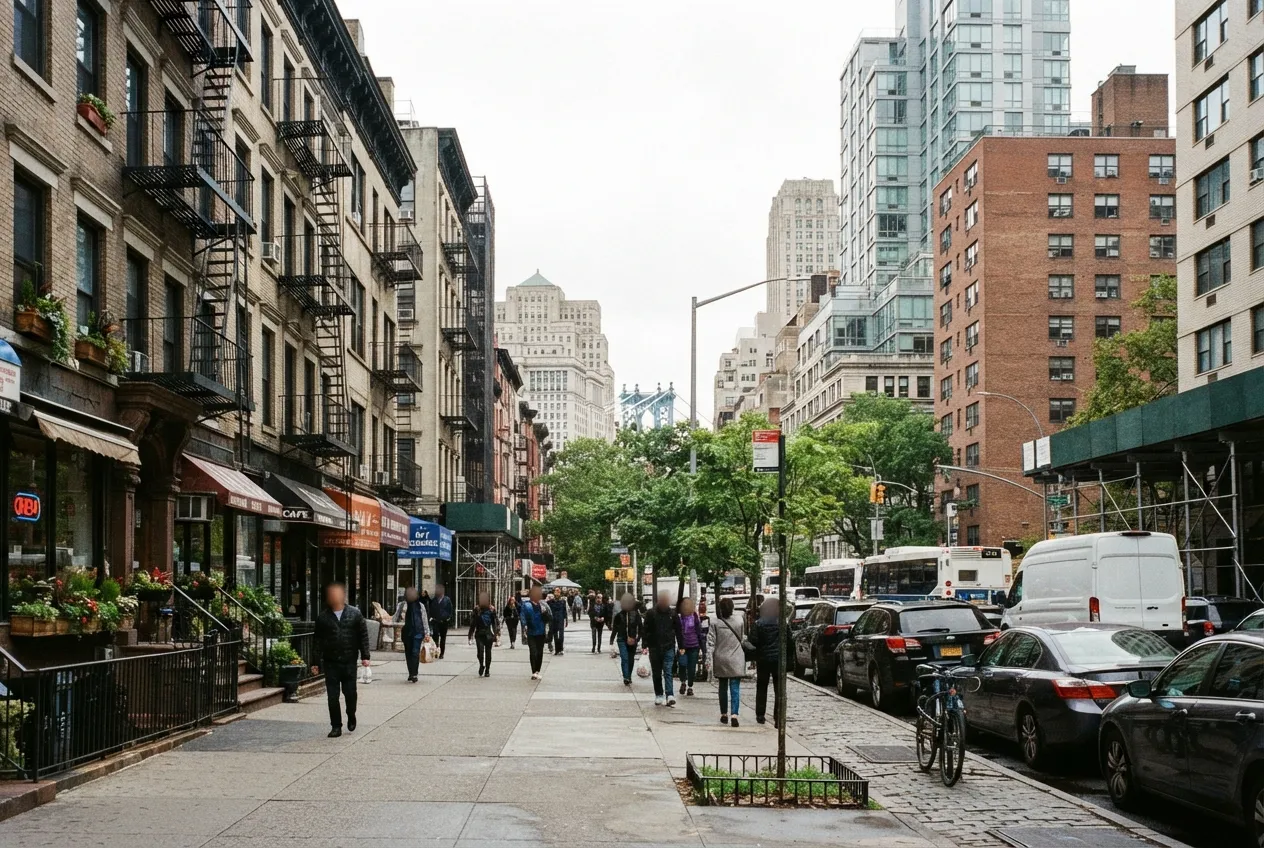
Civic Center is better known for offices than homes, but people do live here, in converted loft buildings, pre-war apartment buildings and the occasional older walk-up. Many of these buildings still have masonry chimneys that serve fireplaces, boilers or water heaters. Those chimneys take years of freeze-thaw cycles, wind-driven rain and acidic exhaust. EmberGuard Chimney Sweep repairs chimneys for homeowners, co-op and condo boards, and small building owners in ZIP codes 10007, 10013, 10278 and 10279. Our office is about a mile northeast of the neighborhood, so getting a certified technician on-site is straightforward. Below is how we approach chimney repair here, what we fix, and how to time the work.
Why Chimneys in Civic Center Buildings Need Repair
Most residential chimneys in this part of Lower Manhattan are tall masonry stacks on older buildings. They rise above the roofline, where they take the full force of weather. Water is usually the root problem. A cracked crown, a missing cap or worn mortar joints let rain soak into the brick. Each winter that moisture freezes and expands, so small gaps keep getting bigger.
Inside the flue, the trouble is often chemical. Many buildings once burned oil and now burn gas. Exhaust from gas appliances creates acidic condensate that eats away at old clay tile or unlined brick. In loft conversions, a chimney may have been altered, capped or reconnected during renovation, sometimes without anyone documenting what was done. That is why we look closely before we quote any repair.
Inspection Comes Before Repair
The NFPA 211 standard calls for chimneys, fireplaces and vents to be inspected once a year. It also sets out three inspection levels, and the level tells you how deep the evaluation goes.
When nothing about your system has changed, a Level 1 inspection is usually enough. If you have added a new appliance, switched fuels, or are buying or selling the home, a Level 2 inspection is appropriate. It includes a camera look inside the flue. A Level 3 inspection is reserved for cases where a hidden hazard can only be reached by opening part of the chimney or building. We explain which level fits your situation, and why, before any work begins.
After the inspection you get a plain description of what we found, with photos when possible, and a recommended repair. We separate what needs attention now from what can be scheduled later.
Chimney Repairs We Handle
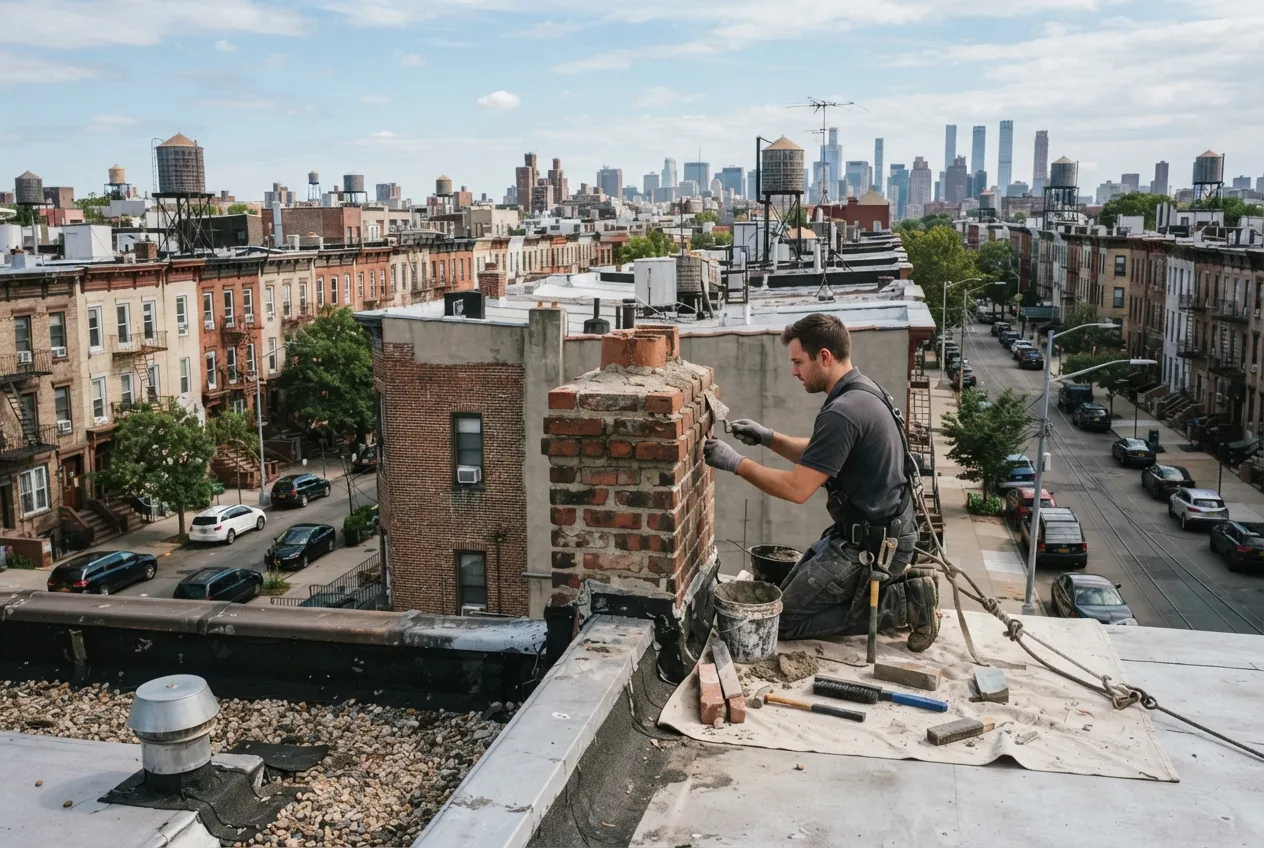
Our technicians work on both the outside and the inside of the chimney. Common repairs in Civic Center homes include:
- Rebuilding or resurfacing cracked and crumbling chimney crowns
- Installing or replacing chimney caps to keep out rain, debris and birds
- Repointing deteriorated mortar joints and replacing spalled brick
- Relining flues with liners sized to the connected appliance
- Repairing or replacing damaged fireplace dampers
- Fixing smoke chamber and firebox masonry
- Addressing water leaks where the chimney meets the roof
Time for your annual chimney check?
Oil-to-Gas Conversions and Flue Liners
When a New York City building converts its boiler from oil to gas, the chimney has to be evaluated as part of the job. A new liner is often needed, because gas exhaust produces acidic condensate that can corrode a masonry flue. Skipping that step can lead to deteriorating masonry, debris blocking the flue, and exhaust problems.
If your building is planning a conversion, or finished one and never had the chimney looked at, we can inspect the flue and recommend a liner suited to the new equipment. We coordinate timing with your building's heating contractor so the work fits the conversion schedule.
Timing Repairs Around Heat Season
New York City's heat season runs from October 1 through May 31. During those months, building owners must keep apartments heated to the city's minimum temperatures. A chimney that serves a boiler cannot simply go offline in January without a plan.
For that reason, the warmer months are the practical window for major work such as relining or rebuilding a crown. If you spot a problem during heat season, call us anyway. We can assess it, make any safety repairs that are needed, and plan larger work for when the heat can be shut down.
Serving Civic Center and Nearby Neighborhoods
Besides Civic Center, we repair chimneys in Tribeca, SoHo, Little Italy, Hudson Square and the Financial District. Housing across these areas is similar, mostly lofts and pre-war buildings, so the same issues come up again and again. We know how to work with building management, schedule roof access, and protect finished interiors while we work.
More services in Civic Center
- Chimney Sweep in Civic CenterLocal service & repairs
- Chimney Inspection in Civic CenterLocal service & repairs
- Air Duct Cleaning in Civic CenterLocal service & repairs
- Chimney Liner Installation in Civic CenterLocal service & repairs