The short answer
If your Financial District building is switching a boiler from oil to gas, adding a new appliance, or has a cracked or deteriorating flue, a new chimney liner is often needed. EmberGuard inspects the flue first, then recommends and installs a liner sized for the appliance it serves.
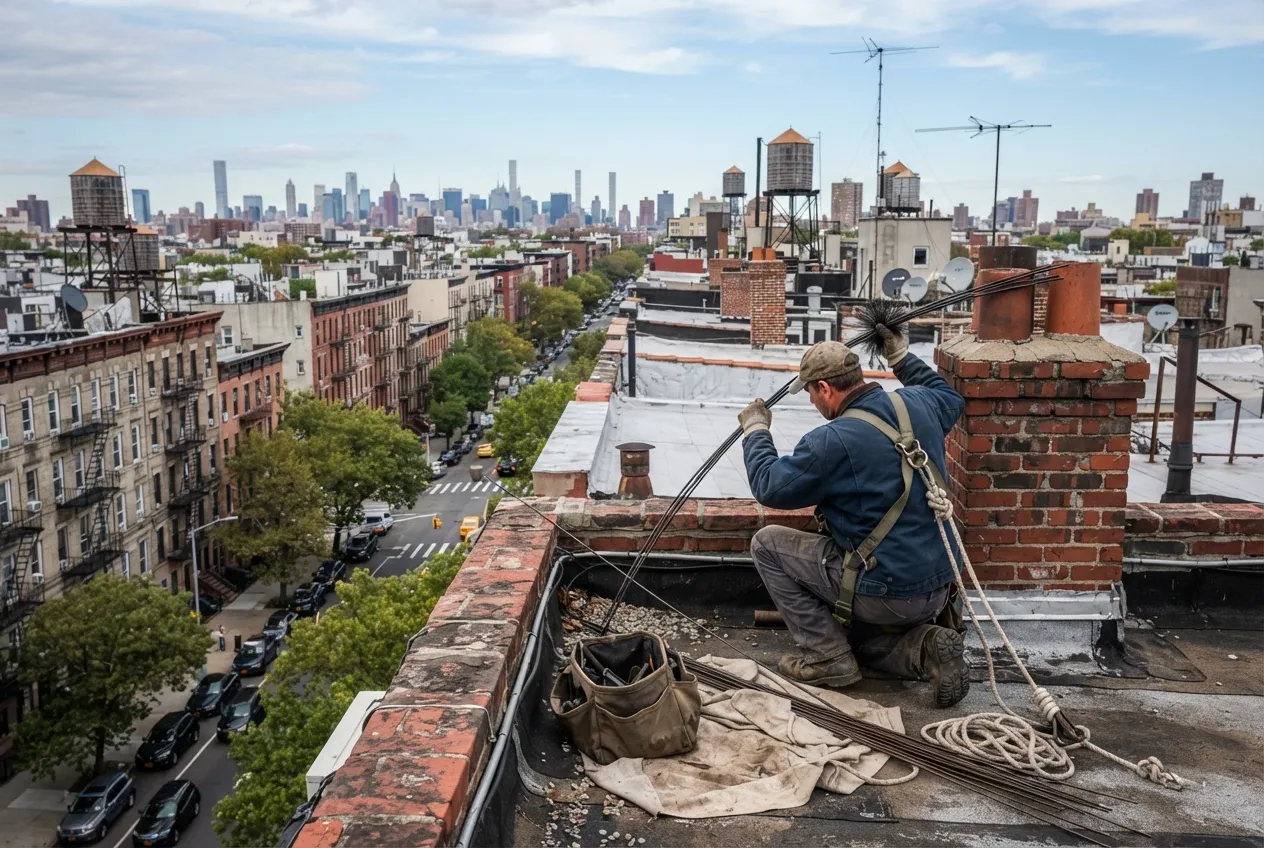
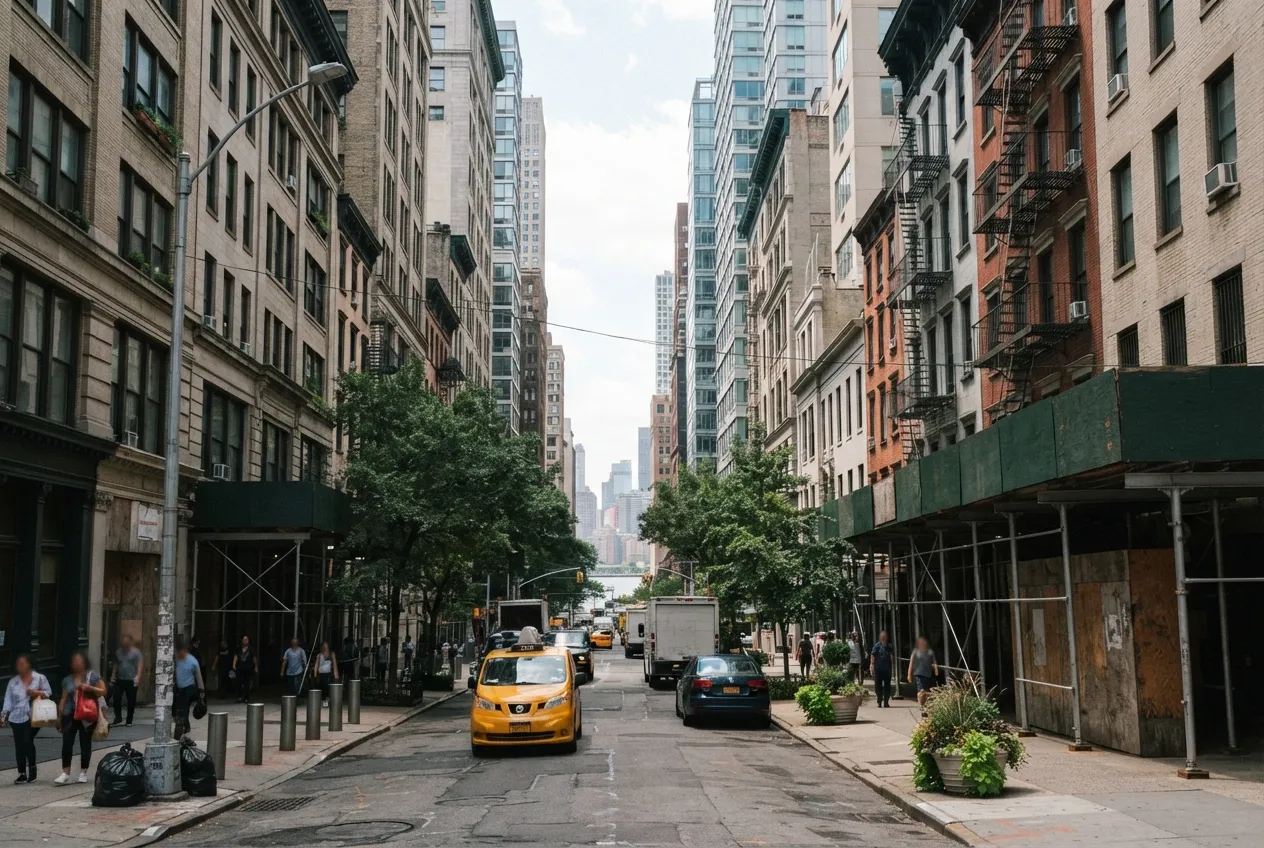
A chimney liner is the protective channel inside a flue that carries smoke and exhaust out of the building and keeps heat and corrosive byproducts away from the surrounding masonry. In the Financial District, liners matter for two kinds of systems: the fireplaces found in some apartments and converted lofts, and the flues that serve building boilers and water heaters. EmberGuard Chimney Sweep installs and replaces chimney liners for homeowners, co-op and condo boards, and building managers across ZIP codes 10005, 10006, 10038, 10271, 10280 and 10282. Our office is about a mile north in Manhattan, so we can plan inspections, coordinate building access and schedule the work around the realities of a dense downtown neighborhood.
Why Financial District Chimneys Often Need New Liners
Much of the neighborhood's housing is in older masonry buildings, including pre-war apartment buildings, former commercial buildings converted to residences, and a smaller number of older walk-ups. Many of these chimneys were built with clay tile liners or no true liner at all, and decades of use can leave tiles cracked, joints open and mortar eroded.
The most common trigger we see is a fuel change. When a New York City building converts its boiler from oil to gas, the chimney has to be evaluated as part of that work. A new liner is often required because gas exhaust produces acidic condensate that can corrode a masonry flue from the inside. A flue that worked for years with oil can start to deteriorate quickly once it carries gas exhaust it was never sized or protected for.
- Converting a boiler or water heater from oil to gas
- Installing a new, higher-efficiency appliance that vents into an existing flue
- Cracked, missing or shifted clay tiles found during an inspection
- Masonry debris, flaking or white staining at the base of the chimney
- Reopening a fireplace that has not been used in years
Start With the Right Inspection
We do not recommend a liner without first looking at the flue. The NFPA 211 standard calls for chimneys, fireplaces and vents to be inspected once a year, and it describes three levels of inspection. A Level 1 inspection fits a system that hasn't changed. A Level 2 inspection applies when the system changes, such as a new appliance or a switch of fuel, or when a home is sold. A Level 3 inspection is used when a hidden hazard can only be reached by opening part of the chimney or building.
For most liner projects, a Level 2 inspection with a camera survey of the full flue is where we begin. It shows the condition of the existing liner, any offsets or obstructions, and the actual dimensions we need to work with. That information determines what kind of liner will fit and perform correctly.
Matching the Liner to the Appliance
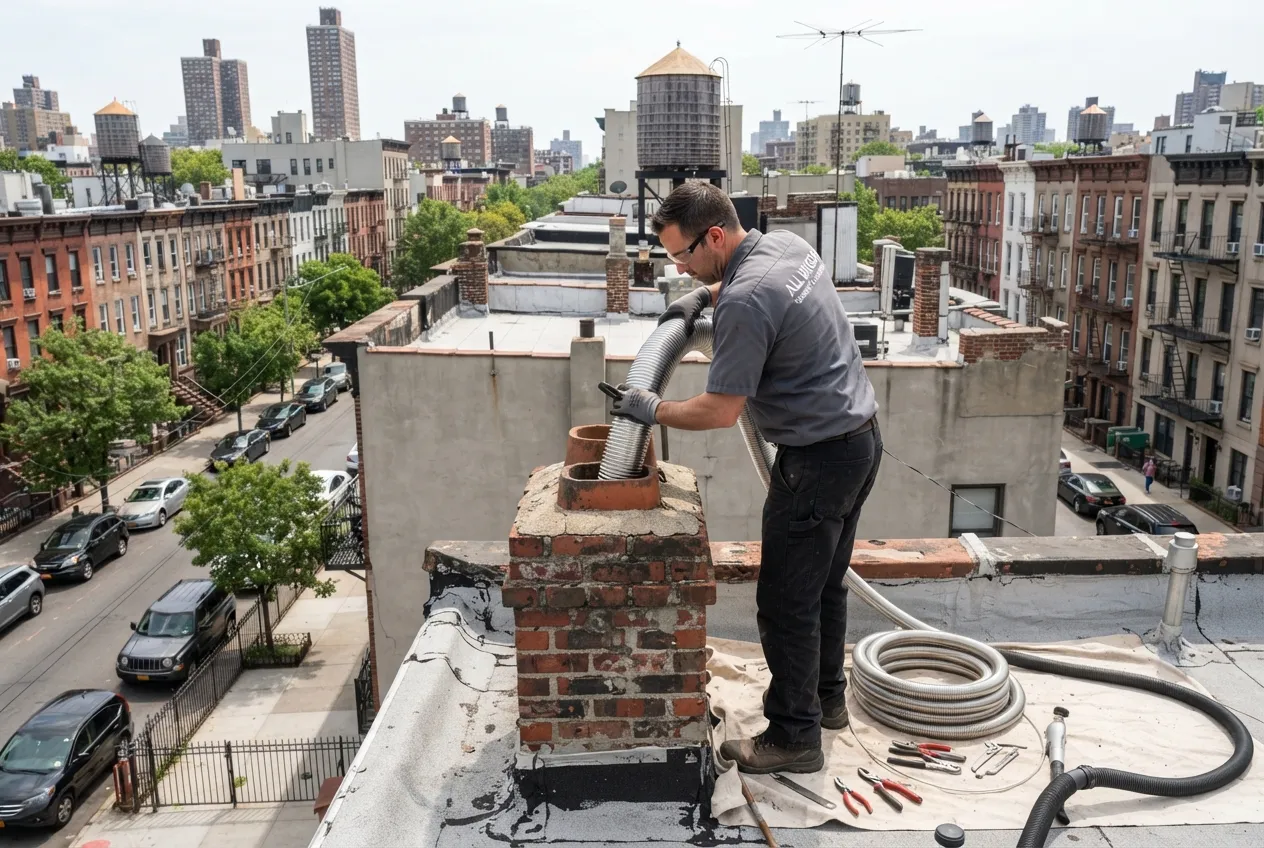
A liner has to be sized and made of material suited to what it vents. An oversized flue on a modern gas boiler can let exhaust cool too much, which increases condensation. An undersized flue can restrict draft. Our certified technicians size the liner to the appliance and the height of the chimney rather than simply filling the existing opening.
For gas-fired boilers and water heaters, stainless steel liners are the common choice because they resist the acidic condensate that damages masonry. For wood-burning fireplaces, the liner has to handle much higher flue temperatures, and the right option depends on the shape and condition of the existing flue. We explain the options for your specific chimney and why we recommend one over another.
Time for your annual chimney check?
Planning Liner Work in a Downtown Building
Installing a liner in the Financial District usually involves more coordination than in a detached home. Most work happens from the roof, which means arranging roof access with building staff, protecting common areas and scheduling around elevator use and building rules. We work with superintendents, managing agents and boards to set a plan everyone understands before the job starts.
Timing matters, too. New York City's heat season runs from October 1 through May 31, and building owners must keep apartments heated to the city's minimum temperatures during that period. Boiler flue work is easiest to schedule outside heat season, or with a clear plan for keeping the heating system out of service as briefly as possible. If you are planning an oil-to-gas conversion, we suggest bringing the chimney evaluation into the project early so the liner doesn't hold up the rest of the work.
Serving the Financial District and Nearby Neighborhoods
Along with the Financial District, we install chimney liners in nearby Tribeca, Civic Center, Chinatown, Two Bridges and SoHo. Whether you own a single apartment with a working fireplace or manage a building heading into a boiler conversion, we can inspect the flue, explain what we find and lay out the next steps in plain terms.
More services in Financial District
- Chimney Sweep in Financial DistrictLocal service & repairs
- Chimney Inspection in Financial DistrictLocal service & repairs
- Chimney Repair in Financial DistrictLocal service & repairs
- Air Duct Cleaning in Financial DistrictLocal service & repairs