The short answer
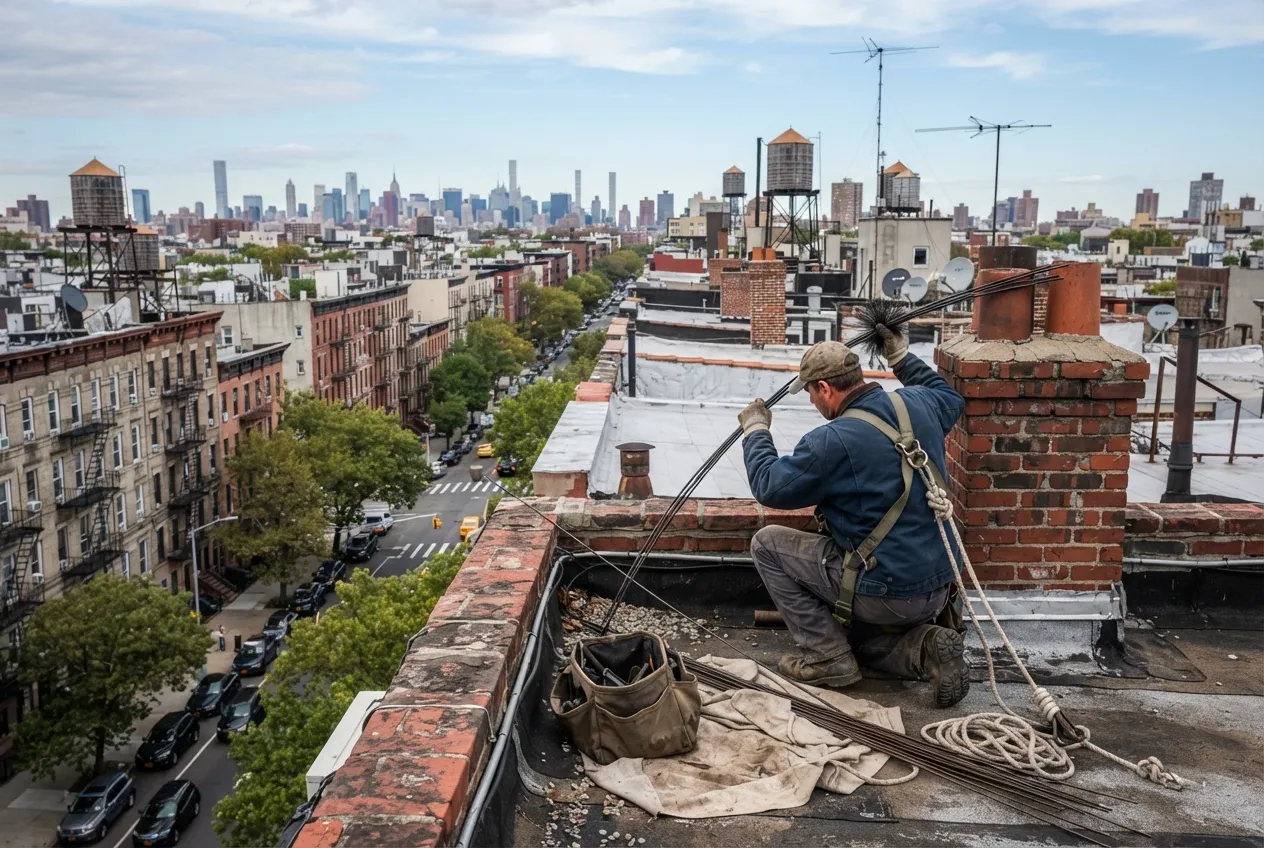
EmberGuard repairs chimneys in Financial District buildings, including masonry, crowns, caps, flashing, dampers and flue liners. Every repair starts with an inspection based on the NFPA 211 standard so the fix matches the actual problem.
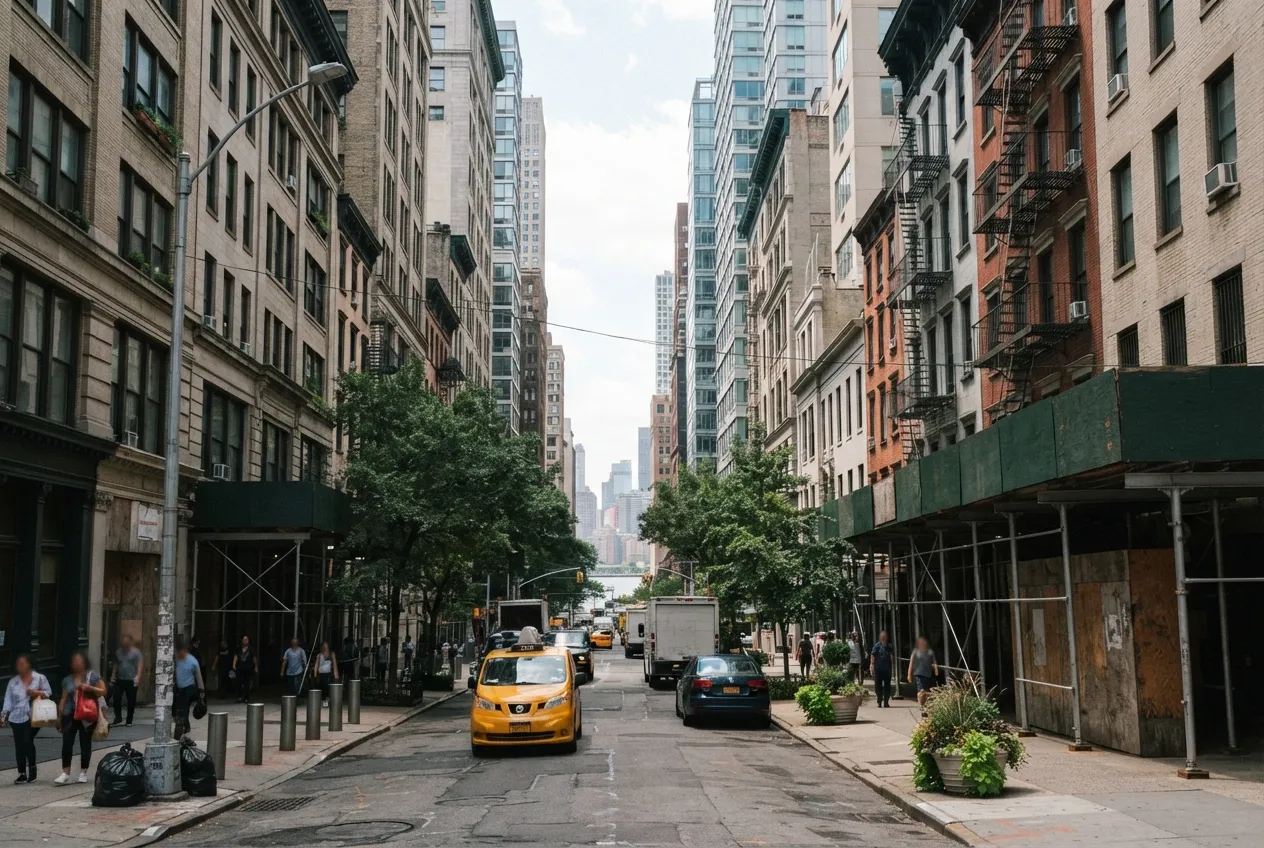
Most chimneys in the Financial District serve pre-war apartment buildings, older commercial buildings converted to residences, and a few remaining walk-ups. Many of these flues have carried smoke and boiler exhaust for generations, and the masonry, liners and caps show it. EmberGuard Chimney Sweep is based about a mile north in Manhattan, and our certified technicians repair chimneys for owners, co-op and condo boards, and building managers across ZIP codes 10005, 10006, 10038, 10271, 10280 and 10282. We start by finding out what is actually wrong, then explain the repair in plain terms before any work begins.
Why Chimneys in Financial District Buildings Need Repair
Chimneys here tend to be tall, exposed at the roofline, and connected to heating systems that have changed over the decades. Wind and rain hit rooftop masonry hard. Water that gets into mortar joints freezes and expands in winter, which loosens bricks and cracks crowns. Once water gets past the crown or flashing, it can stain ceilings and walls in the top-floor units well before anyone sees damage from the street.
Inside the flue, the problems are harder to spot. Older clay tile liners crack and shift. Mortar between tiles washes out. In buildings that switched fuels, the exhaust may be wearing away a flue that was never built for it. A chimney can look fine from the roof and still have damage that lets heat, moisture or exhaust into the building.
Chimney Repairs We Handle
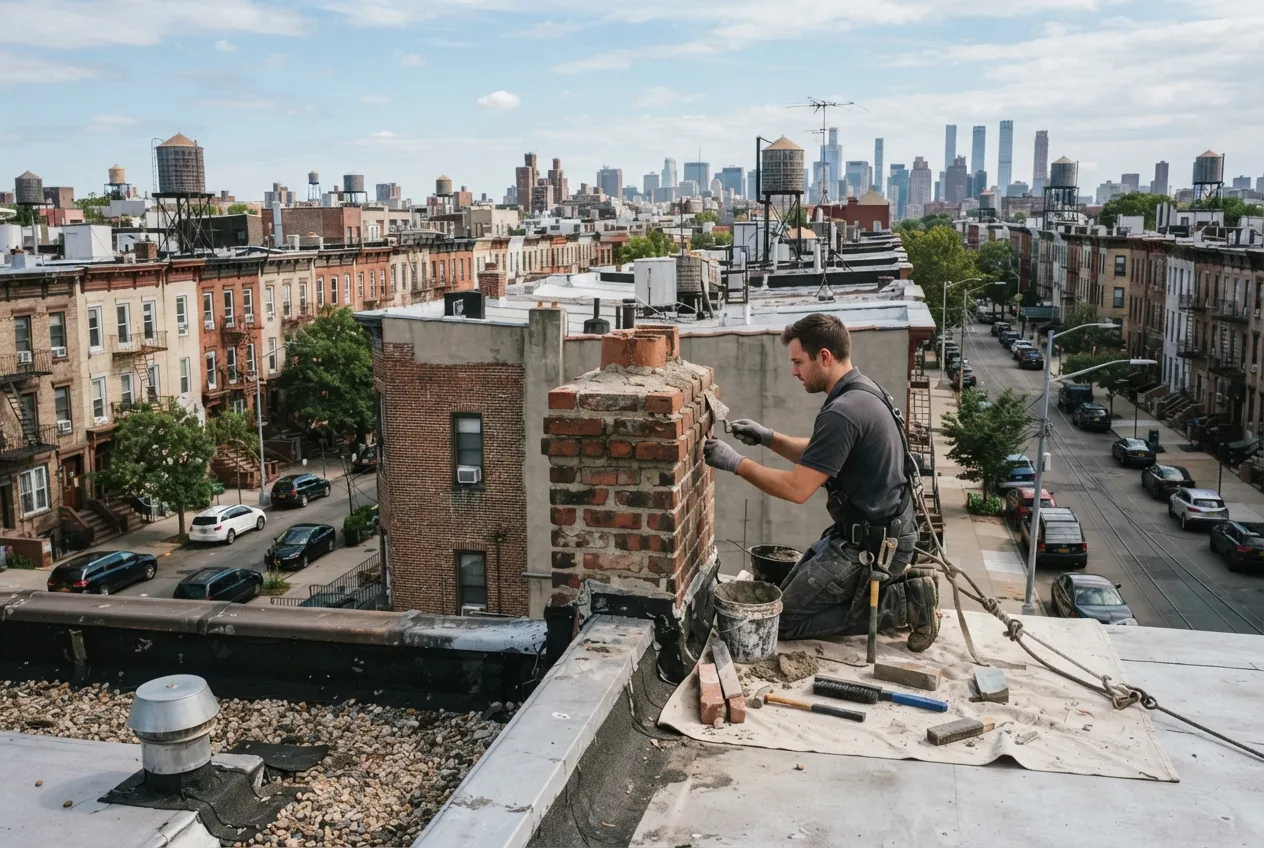
We fix the parts of the chimney system that most often fail in Manhattan buildings, from the top of the stack down to the appliance connection. If a repair is beyond what makes sense to patch, we will tell you and explain the options.
- Repointing of cracked or eroded mortar joints
- Replacement of spalled or loose bricks
- Rebuilding or sealing of cracked chimney crowns
- Chimney cap installation and replacement to keep out rain, debris and animals
- Flashing repair where the chimney meets the roof
- Damper repair and replacement for fireplaces
- Flue liner repair and relining, including stainless steel liners
- Smoke chamber and firebox repair for fireplaces in older apartments and townhouses
- Water leak diagnosis around the chimney
Oil-to-Gas Conversions and Flue Liners
Many Financial District buildings have converted, or plan to convert, their boilers from oil to gas. When a New York City building makes that change, the chimney has to be evaluated as part of the work. A new liner is often needed because gas exhaust produces acidic condensate that can corrode a masonry flue over time.
We inspect the existing flue, check whether it is sized and built for the new appliance, and install a properly sized liner when one is called for. If your building is planning a conversion, it helps to bring the chimney into the conversation early so the liner work does not become a last-minute holdup.
Time for your annual chimney check?
Inspection Comes First
The NFPA 211 standard calls for chimneys, fireplaces and vents to be inspected once a year. It also describes three inspection levels, and the right one depends on your situation. A Level 1 inspection fits when nothing about the system has changed. A Level 2 inspection is used when the system changes, such as a new appliance or a fuel switch, or when the home is being sold. That usually includes a camera inspection of the flue. A Level 3 inspection is needed when a suspected hazard is hidden and part of the chimney or building has to be opened to reach it.
For repair work, the inspection tells us where the damage is, how far it goes, and whether the cause is water, heat, exhaust or age. You get a clear explanation of what we found, with photos where they help, before we recommend anything.
Scheduling Around Heat Season and Building Rules
New York City's heat season runs from October 1 through May 31, and building owners must keep apartments heated to the city's minimum temperatures during that time. A chimney problem on a boiler flue in midwinter puts a building in a tight spot. We recommend inspections and major repairs, especially relining, in late spring or summer so the system is ready before October.
We also work within the way buildings here operate. Many repairs need roof access, coordination with a superintendent or managing agent, and approval from a co-op or condo board. We can provide written findings that boards and managers can review, and we plan work around building access hours and residents' schedules.
More services in Financial District
- Chimney Sweep in Financial DistrictLocal service & repairs
- Chimney Inspection in Financial DistrictLocal service & repairs
- Air Duct Cleaning in Financial DistrictLocal service & repairs
- Chimney Liner Installation in Financial DistrictLocal service & repairs