The short answer
Air duct cleaning makes sense when there is substantial visible mold, signs of vermin, or excessive dust and debris in the ducts, which is the guidance the U.S. EPA gives. In Greenwich Village brownstones, rowhouses and pre-war apartments, we inspect first and clean only when the ducts actually need it.
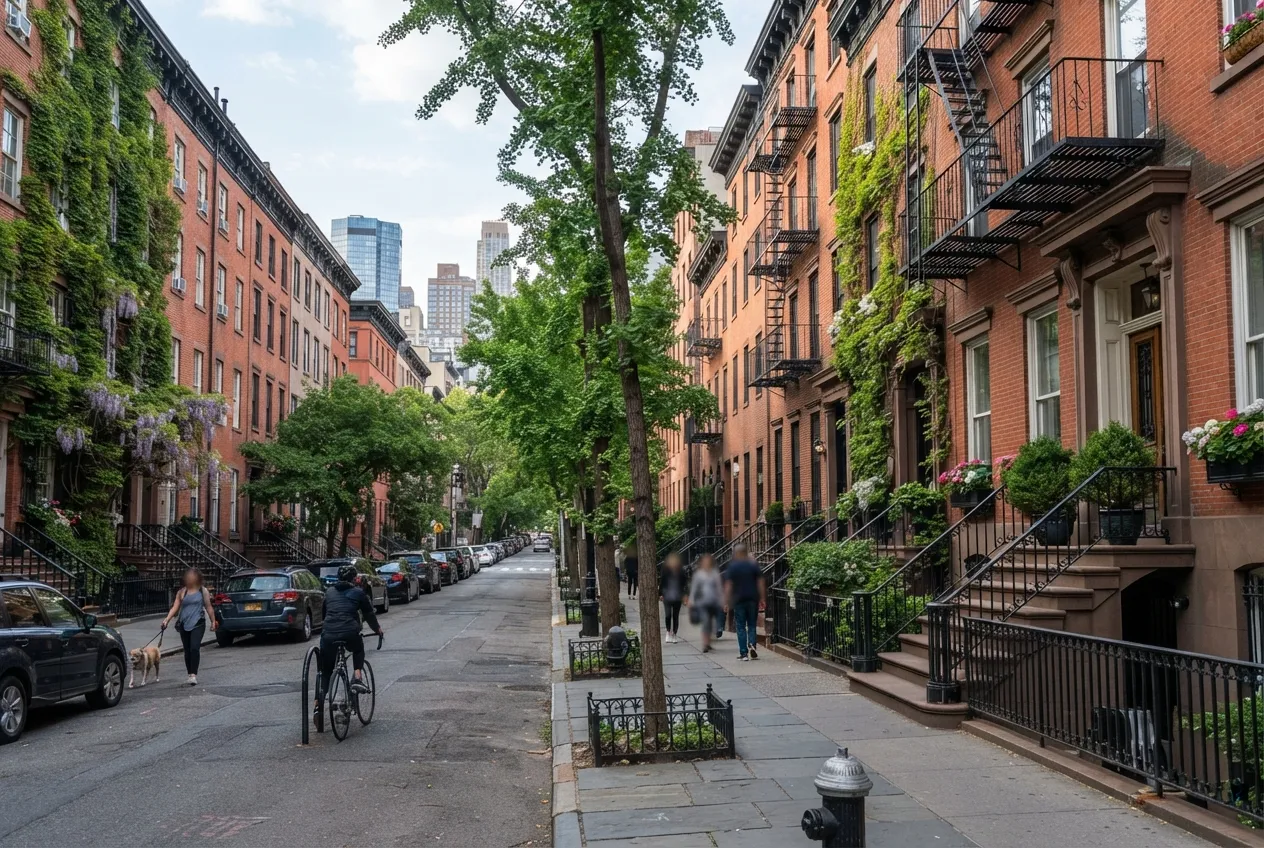
Greenwich Village homes come in many forms: brownstones, rowhouses, converted townhouses and pre-war apartment buildings. Many were built for radiator heat, so the ductwork in them was often added later for central air, a forced-air system or a ventilation upgrade. That later ductwork usually runs through tight chases, dropped ceilings and closets. EmberGuard Chimney Sweep is based in Manhattan about a mile southwest of the Village, and our certified technicians clean residential duct systems here and in nearby SoHo, Little Italy, Hudson Square, the West Village and the East Village. We start by looking at your ducts and telling you plainly whether they need cleaning.
When duct cleaning is worth doing
The U.S. Environmental Protection Agency advises cleaning air ducts when there is substantial visible mold growth, evidence of vermin such as rodents or insects, or excessive dust and debris. The EPA also says duct cleaning has not been shown to prevent health problems. We go by that guidance and don't make health claims about the service.
In the Village, the situations we see most often fit those conditions:
- Dust and debris left in the ducts after a renovation, gut job or plaster work in an older building
- Signs of mice or insects in ductwork that runs through shared walls or old chases
- Visible mold near air handlers or in ducts that carry humid summer air through cool spaces
- Supply registers that keep putting out dust soon after you clean the room
- A new owner or tenant who wants to know what is inside a system nobody has opened in years
Ductwork in older Village buildings
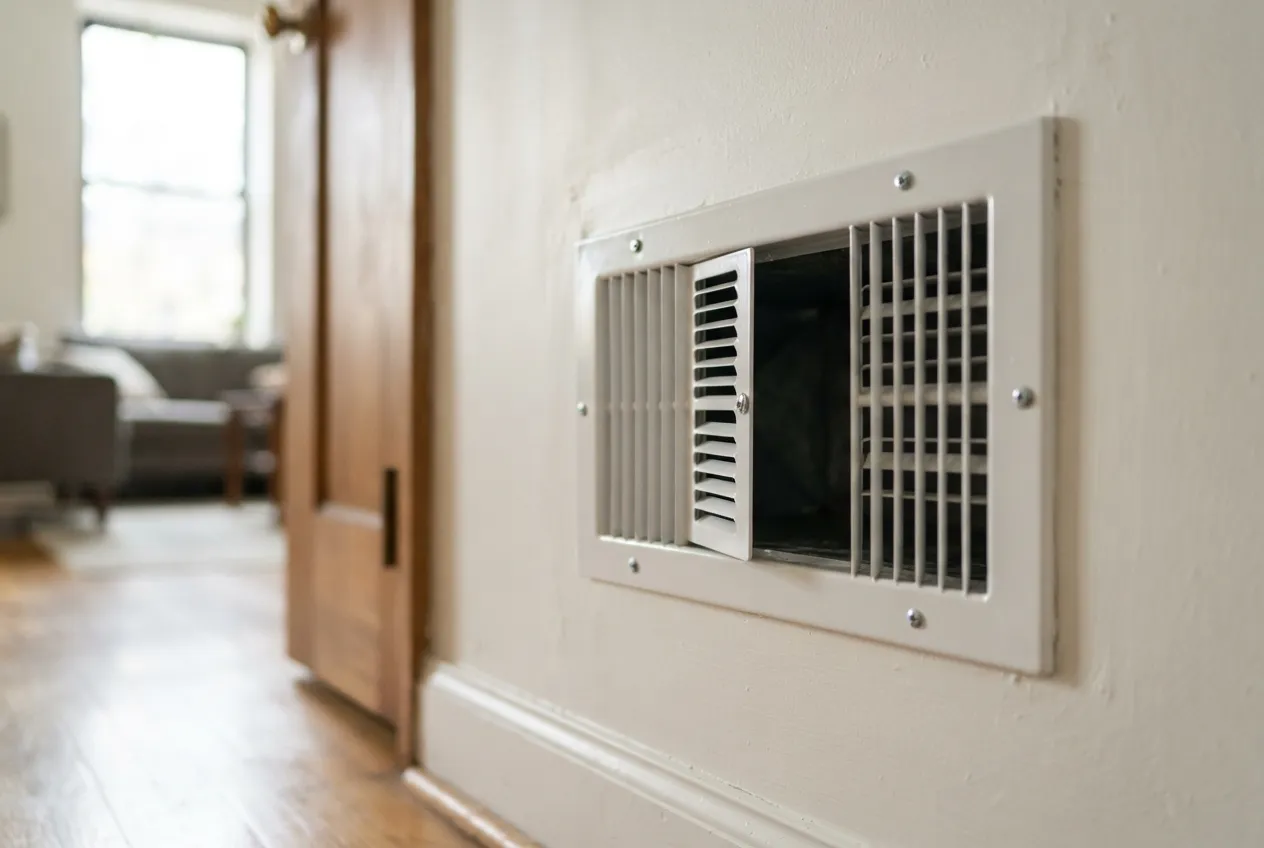
Ductwork added to a nineteenth-century rowhouse or a pre-war apartment rarely runs in straight, open lines. It may turn sharply around beams, drop through closets or pass through narrow soffits. Some sections are flexible duct, which needs gentler handling than rigid metal. Before we clean, we look at the air handler, the registers and the accessible runs so we can choose the right tools and access points for your layout.
In a multi-unit building, the ducts inside your unit may connect to equipment or shafts that the building controls. We'll tell you which parts are yours to service and which you may need to raise with your board, management company or landlord.
How we clean your system
We put the system under negative pressure with a collection unit, so loosened dust is pulled out of the ducts and doesn't drift into your rooms. Then we use brushes and air tools sized for each run to clear the supply and return lines, the registers and grilles, and the parts of the air handler that can be reached. We protect floors and furniture in the work area and take the collected debris out with us.
The EPA cautions consumers to be careful with chemical treatments such as sanitizers or sealants in ductwork. We don't apply them by default. If one is ever discussed for your system, we explain what it is and why, and the decision is yours.
Time for your annual chimney check?
Avoiding duct cleaning offers that don't add up
The EPA warns homeowners to research the process before answering very cheap advertised duct cleaning offers. These offers often lead to a rushed job or pressure to buy more once the crew is inside. Before you hire anyone, ask how they will clean every part of the system, including the returns and the air handler, how they will contain dust, and whether they will show you what they found. We answer those questions before we start.
Related work: dryer vents and timing
According to the U.S. Fire Administration, failure to clean is the leading factor in home clothes dryer fires. Many Village apartments and townhouses have dryer vents with long or awkward runs to an exterior wall, so we can check and clean your dryer vent on the same visit.
Timing matters too. New York City's heat season runs from October 1 through May 31. If your building uses forced air, scheduling duct work in late spring or early fall avoids shutting down the system during the coldest weeks. If your ducts only carry air conditioning, cleaning before summer use is a sensible choice.
More services in Greenwich Village
- Chimney Sweep in Greenwich VillageLocal service & repairs
- Chimney Inspection in Greenwich VillageLocal service & repairs
- Chimney Repair in Greenwich VillageLocal service & repairs
- Chimney Liner Installation in Greenwich VillageLocal service & repairs