The short answer
A chimney liner is needed when the existing flue is cracked, unlined, the wrong size, or about to serve a different fuel, such as after a boiler converts from oil to gas. EmberGuard's certified technicians inspect the flue, recommend a liner matched to your fireplace or heating appliance, and install it in Greenwich Village homes and buildings.
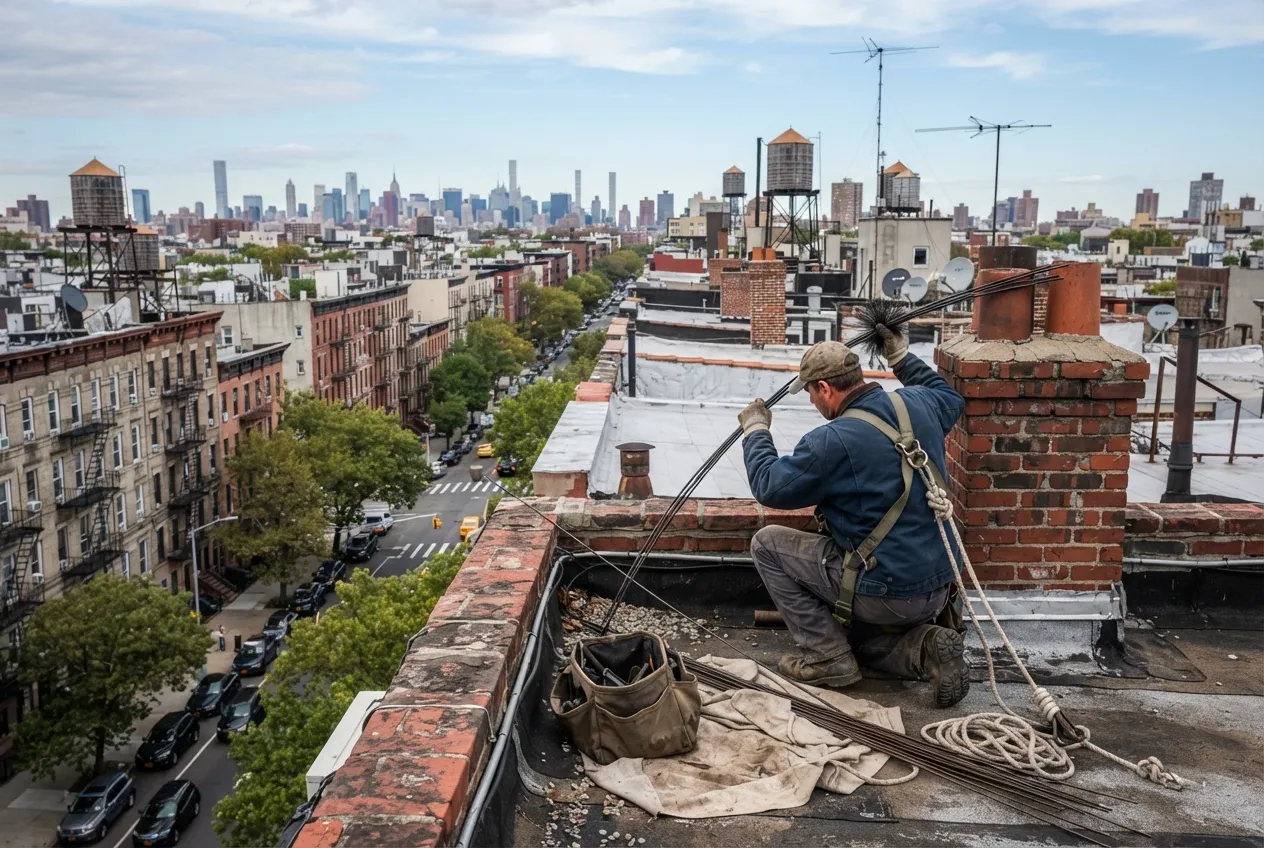
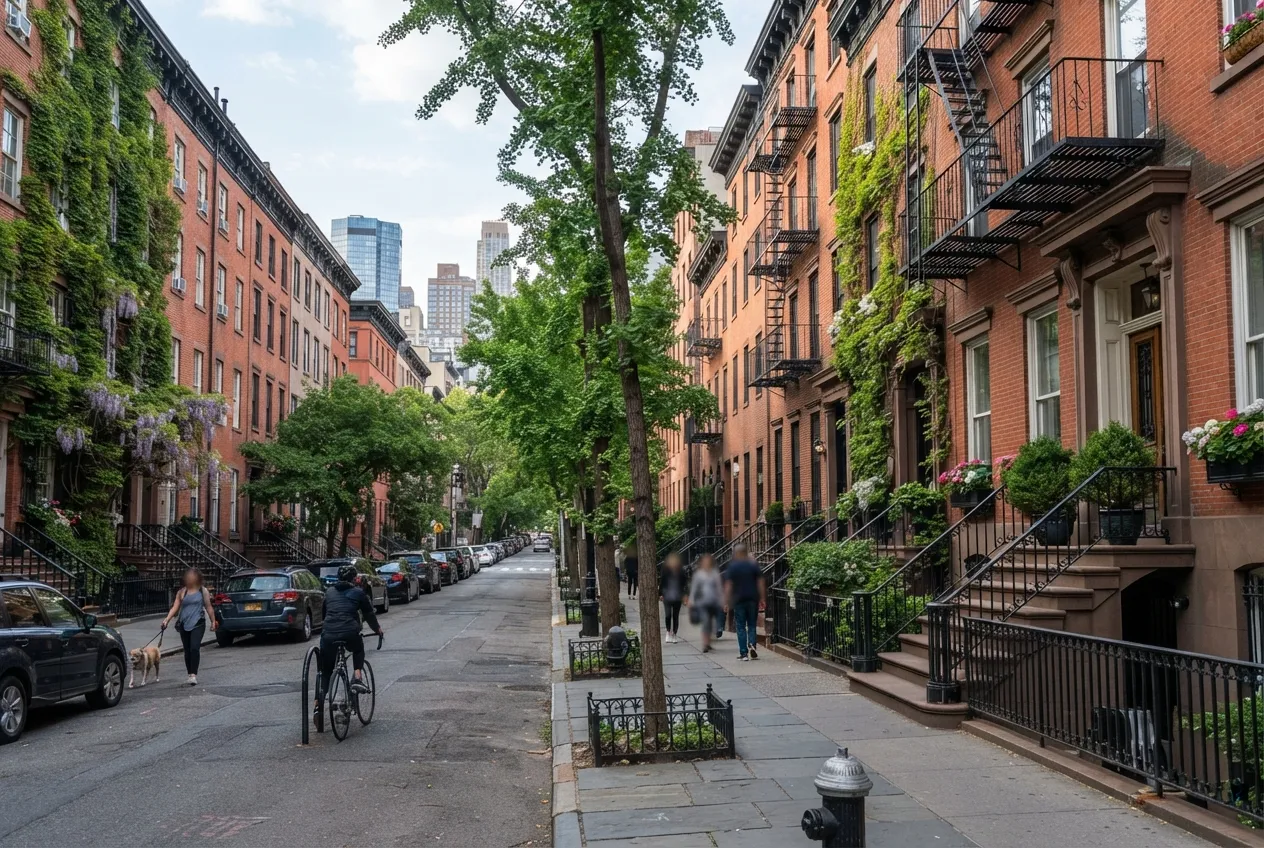
Many Greenwich Village homes were built long before today's furnaces, boilers and water heaters existed. Brownstones, rowhouses and pre-war apartment buildings often have original masonry flues: some have clay tile liners that have cracked over the decades, and some have no liner at all. A sound liner keeps heat, smoke and combustion gases inside the flue and away from wood framing, party walls and neighboring units. EmberGuard Chimney Sweep installs chimney liners throughout Greenwich Village, about a mile northeast of our Manhattan office. Our certified technicians size each liner to the appliance it will serve.
Why Older Village Chimneys Often Need Relining
Most chimneys in the Village are brick, and many are shared by stacked flues serving several floors or apartments. Over time, heat cycles, moisture and freeze-thaw weather loosen mortar joints and crack clay tiles. A crack you can't see from the fireplace can still let hot gases or carbon monoxide reach spaces where they don't belong.
Size is another common problem. A flue built for a coal grate or an oversized old boiler is often too large for a modern, more efficient appliance. In an oversized flue, exhaust cools too quickly, draft weakens, and moisture condenses on the walls. A correctly sized liner fixes all three problems.
Oil-to-Gas Conversions and Your Flue
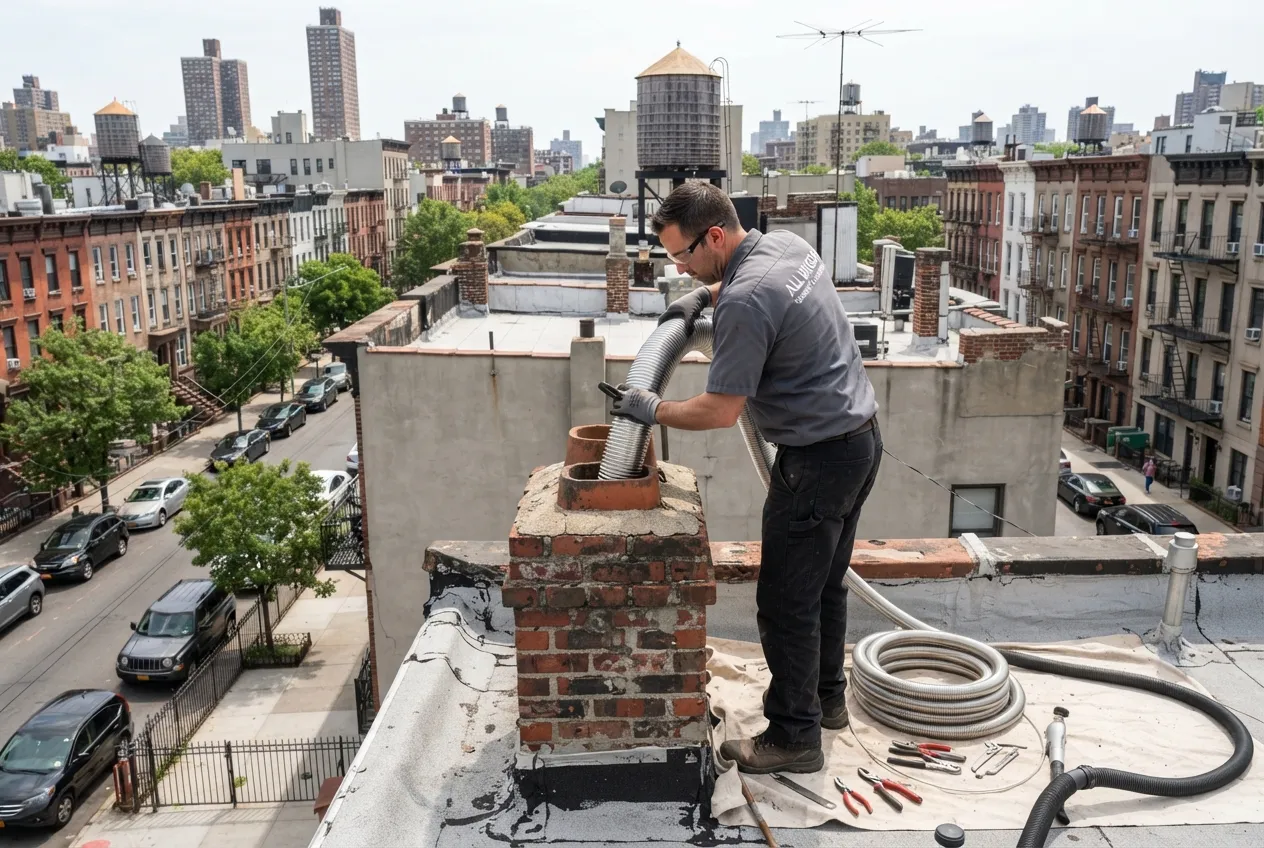
When a New York City building converts its boiler from oil to gas, the chimney must be evaluated as part of the work. A new liner is often needed. Gas exhaust produces acidic condensate, and that condensate can corrode a masonry flue from the inside, wearing away mortar and tile.
If your building is planning a conversion, bring us in early. We evaluate the existing flue, report what we find, and work alongside your boiler contractor so the liner fits the new equipment and the project schedule.
Liner Options We Install
The right liner depends on what the chimney serves and what shape it is in. We explain the reasons for our recommendation so you can make an informed decision.
- Stainless steel liners for gas and oil boilers, furnaces and water heaters, sized to the appliance's venting requirements
- Flexible stainless liners for chimneys with offsets or bends, which are common in older rowhouses
- Liners for wood-burning fireplaces and inserts, with insulation where clearances to combustibles call for it
- Relining of individual flues in multi-flue stacks, so one unit's work doesn't disturb its neighbors
Time for your annual chimney check?
What the Installation Involves
Every job starts with an inspection. We clean and inspect the existing flue first, because we need a clear look at its condition before recommending a liner.
- Inspection of the chimney interior, often with a camera, to document cracks, gaps and blockages
- Measurement of the flue and review of the appliance's venting needs
- Cleaning and any preparation the flue needs before the liner goes in
- Installation of the liner, connections at the appliance, and a top plate and cap at the crown
- A final check of draft and connections, with photos and notes for your records
Timing Around Heat Season and Inspections
New York City's heat season runs from October 1 through May 31. During that period, building owners must keep apartments heated to the city's minimum temperatures. For buildings with a boiler, that makes late spring and summer the easiest time to reline, because the system can be shut down without leaving tenants cold.
The NFPA 211 standard calls for chimneys, fireplaces and vents to be inspected once a year. A Level 2 inspection applies when the system changes, such as a new appliance or a switch of fuel, and when a home is sold. That makes it a natural first step before relining. If a hidden hazard has to be reached by opening part of the chimney or building, a Level 3 inspection may be needed.
Serving Greenwich Village and Nearby Neighborhoods
Our crews work in Greenwich Village regularly and know the access challenges of Manhattan buildings, including narrow stairs, roof hatches and shared chimney stacks. We also install chimney liners in the West Village, SoHo, Hudson Square, Little Italy and the East Village. Tell us what the chimney serves and any symptoms you've noticed, and we'll schedule an inspection.
More services in Greenwich Village
- Chimney Sweep in Greenwich VillageLocal service & repairs
- Chimney Inspection in Greenwich VillageLocal service & repairs
- Chimney Repair in Greenwich VillageLocal service & repairs
- Air Duct Cleaning in Greenwich VillageLocal service & repairs