The short answer
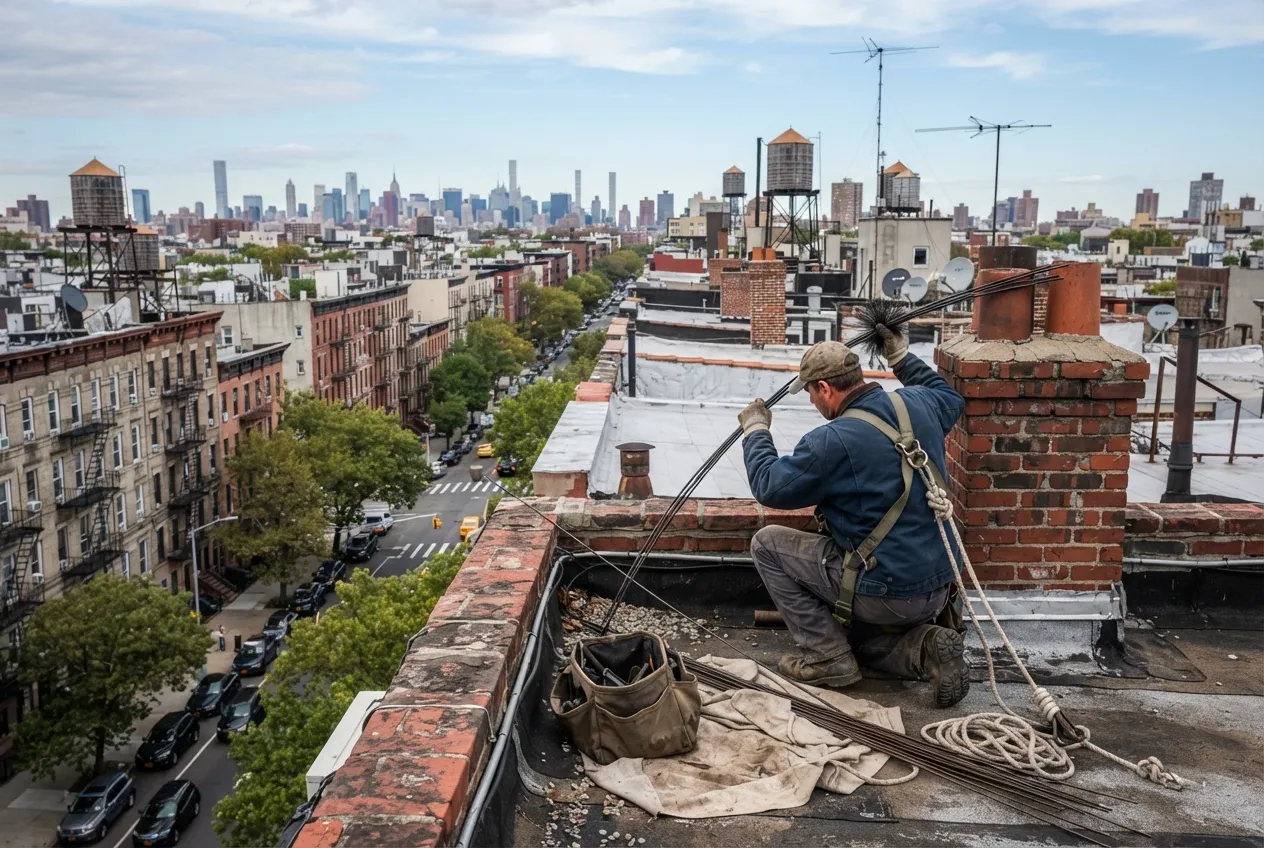
Chimney repair in West Village usually means fixing older masonry, crowns, flashing, dampers and flue liners on brownstones, rowhouses and pre-war buildings. EmberGuard inspects first, finds the cause of leaks or damage, and repairs it so the chimney can be used safely.
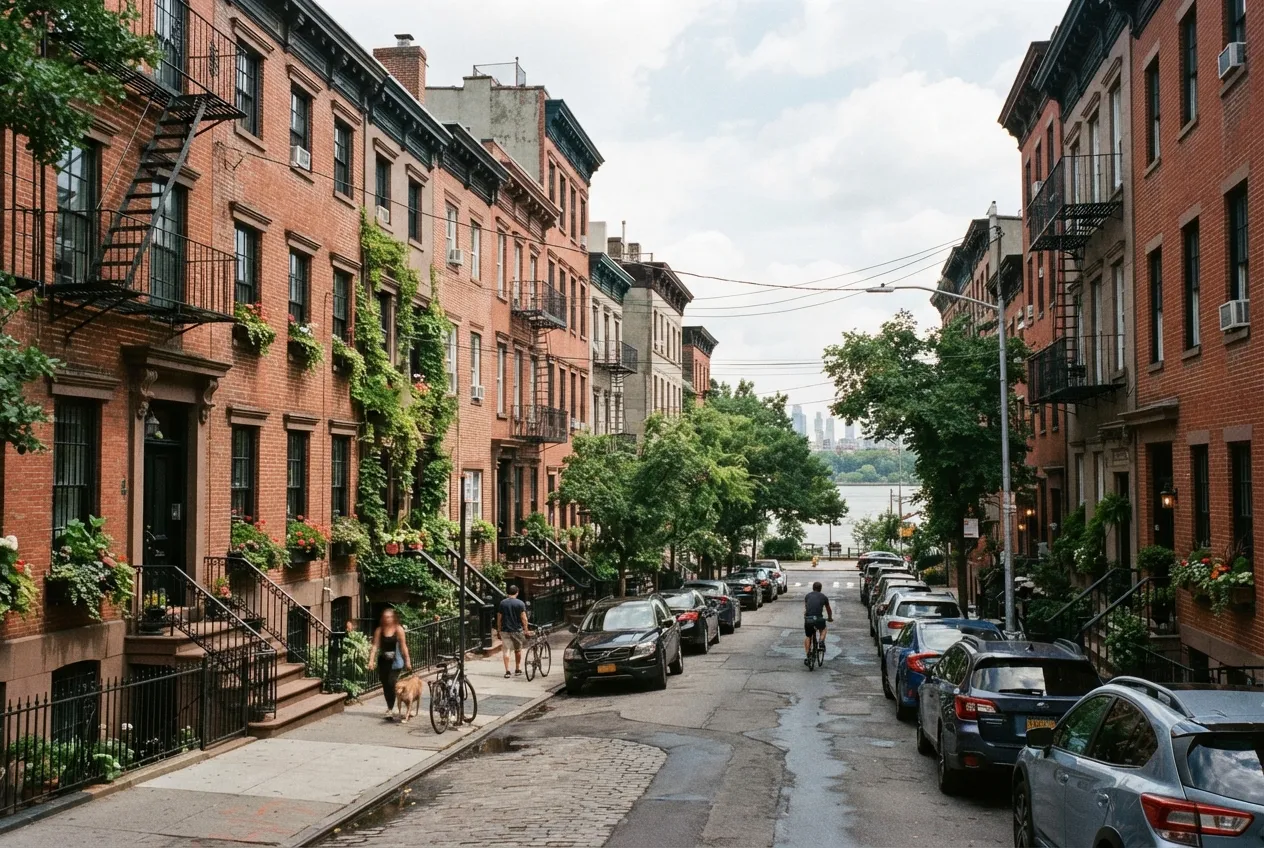
West Village chimneys get heavy use and face constant weather. Brownstones and rowhouses often share party walls and chimney stacks with their neighbors. Pre-war apartment buildings may run boiler flues through several floors of old masonry. When something fails, such as a cracked crown, loose bricks, a leaking flashing seam, or a deteriorated liner, the problem tends to spread into plaster, ceilings and the home next door. EmberGuard Chimney Sweep repairs chimneys for homeowners and building owners in West Village (ZIP 10014). Our office is about a mile south in Manhattan. Our certified technicians start by finding out why the chimney is failing, then explain what needs to be fixed now, what can wait, and why.
Common chimney problems in West Village homes
Much of the housing here is older masonry construction, and chimneys on these buildings wear out in predictable ways. Water is usually the root cause. Rain and melting snow get into cracked crowns, open mortar joints and failed flashing. Then freeze-thaw cycles widen the gaps each winter.
Inside the flue, the problems are harder to see. Clay tile liners crack, mortar between tiles washes out, and older flues may have no liner at all. These conditions can let heat, smoke or exhaust gases reach parts of the building they shouldn't.
- Cracked or crumbling chimney crowns
- Spalling bricks and eroded mortar joints that need repointing
- Leaking flashing where the chimney meets the roof
- Missing or damaged chimney caps that let in rain, debris and animals
- Cracked, gapped or deteriorated flue liners
- Rusted or stuck fireplace dampers
- Water stains on ceilings or walls next to the chimney
Repairs for brownstones, rowhouses and pre-war buildings
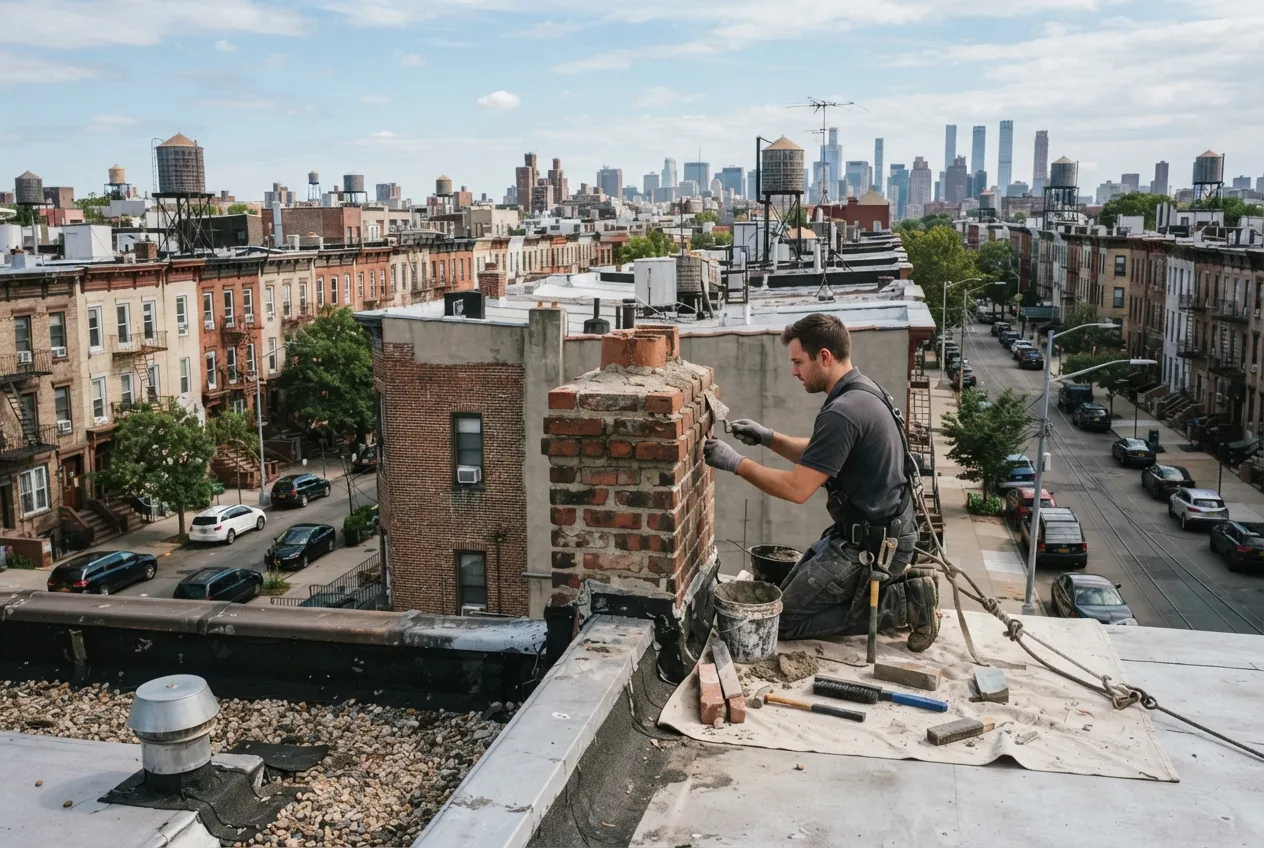
Tall, narrow chimneys on brownstones and rowhouses are often reached from a flat roof and may sit next to a neighbor's stack. Repairs have to be planned with that in mind. We look at how water moves across the roof, how the chimney is tied into the party wall, and whether the problem started on your side or comes from shared masonry.
In pre-war apartment buildings, the chimney often serves the boiler instead of a fireplace. Our repair work there focuses on the flue, the liner, the breeching connection and the masonry at the top of the stack. These parts work hard through New York City's heat season, which runs from October 1 through May 31. During those months building owners must keep apartments heated to the city's minimum temperatures, so a failed boiler chimney can't simply be left until spring.
Oil-to-gas conversions and chimney liners
Many Manhattan buildings have switched their boilers from oil to gas. When a New York City building makes that conversion, the chimney has to be evaluated as part of the work. A new liner is often needed because gas exhaust produces acidic condensate, and that condensate can corrode a masonry flue from the inside.
If your building converted years ago and the chimney was never relined, or you're planning a conversion now, we can inspect the flue and tell you whether it's suited to the new appliance. Where a liner is needed, we size and install one for the equipment it will serve.
Time for your annual chimney check?
How we approach a chimney repair
Every repair starts with an inspection. The NFPA 211 standard calls for chimneys, fireplaces and vents to be inspected once a year, and it describes three levels. A Level 1 inspection fits when nothing has changed. A Level 2 inspection is called for when the system changes, such as a new appliance or a switch of fuel, or when the home is sold. A Level 3 inspection is used when a hidden hazard can only be reached by opening part of the chimney or building.
After the inspection, we explain what we found in plain terms. That includes photos where we can take them, which repairs affect safety, and which ones are about preventing future damage. You decide how to proceed, and we schedule the work around access to your roof, your building and, where it matters, your neighbors.
Serving West Village and nearby neighborhoods
We work throughout West Village and the surrounding Manhattan neighborhoods, including Greenwich Village, SoHo, Little Italy, Hudson Square and Tribeca. Because we're close by, we can come back to check a repair after a heavy storm or follow up before the heating season starts.
More services in West Village
- Chimney Sweep in West VillageLocal service & repairs
- Chimney Inspection in West VillageLocal service & repairs
- Air Duct Cleaning in West VillageLocal service & repairs
- Chimney Liner Installation in West VillageLocal service & repairs