The short answer
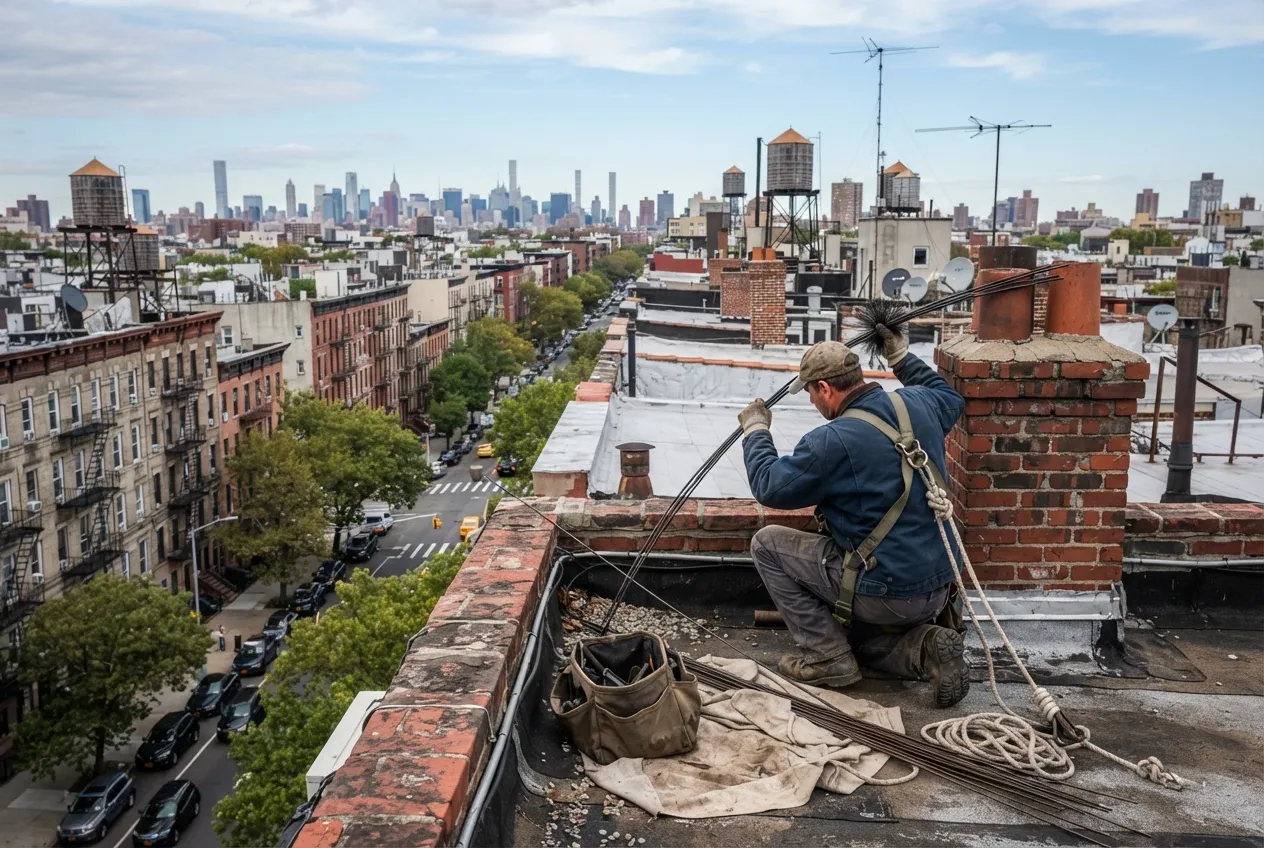
West Village fireplaces and chimneys should be inspected once a year under the NFPA 211 standard, and swept when buildup or debris is found. EmberGuard's certified technicians clean and inspect chimneys in brownstones, rowhouses and pre-war buildings across 10014. Late summer and early fall are the most practical times to schedule.
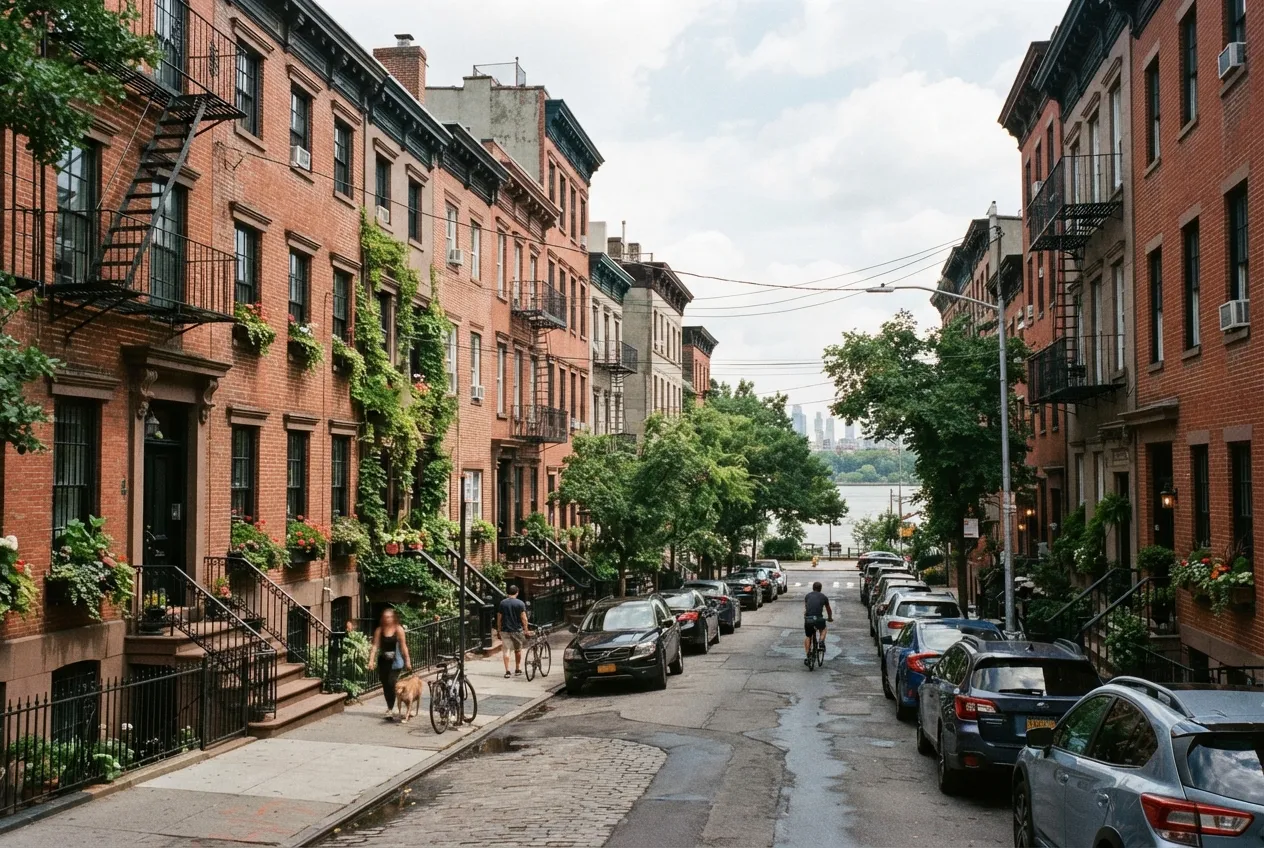
West Village chimneys often get uneven use: a wood-burning fireplace in a brownstone parlor lit a few times each winter, a gas insert added during a renovation, or a boiler flue in a pre-war apartment building that runs from fall through spring. EmberGuard Chimney Sweep cleans and inspects these systems throughout ZIP code 10014, about a mile from our Manhattan office. Our certified technicians remove creosote and soot, check the flue for damage, and explain what they found and what, if anything, needs attention.
What a Chimney Sweep Covers in West Village Homes
Many homes here are rowhouses and townhouses with more than one fireplace. Several flues often run side by side in a shared stack. Older masonry flues may be unlined or have clay tile liners with cracks or missing mortar joints that you can't see from the hearth. Sweeping clears the buildup that narrows these flues and gives us a clear view of their condition.
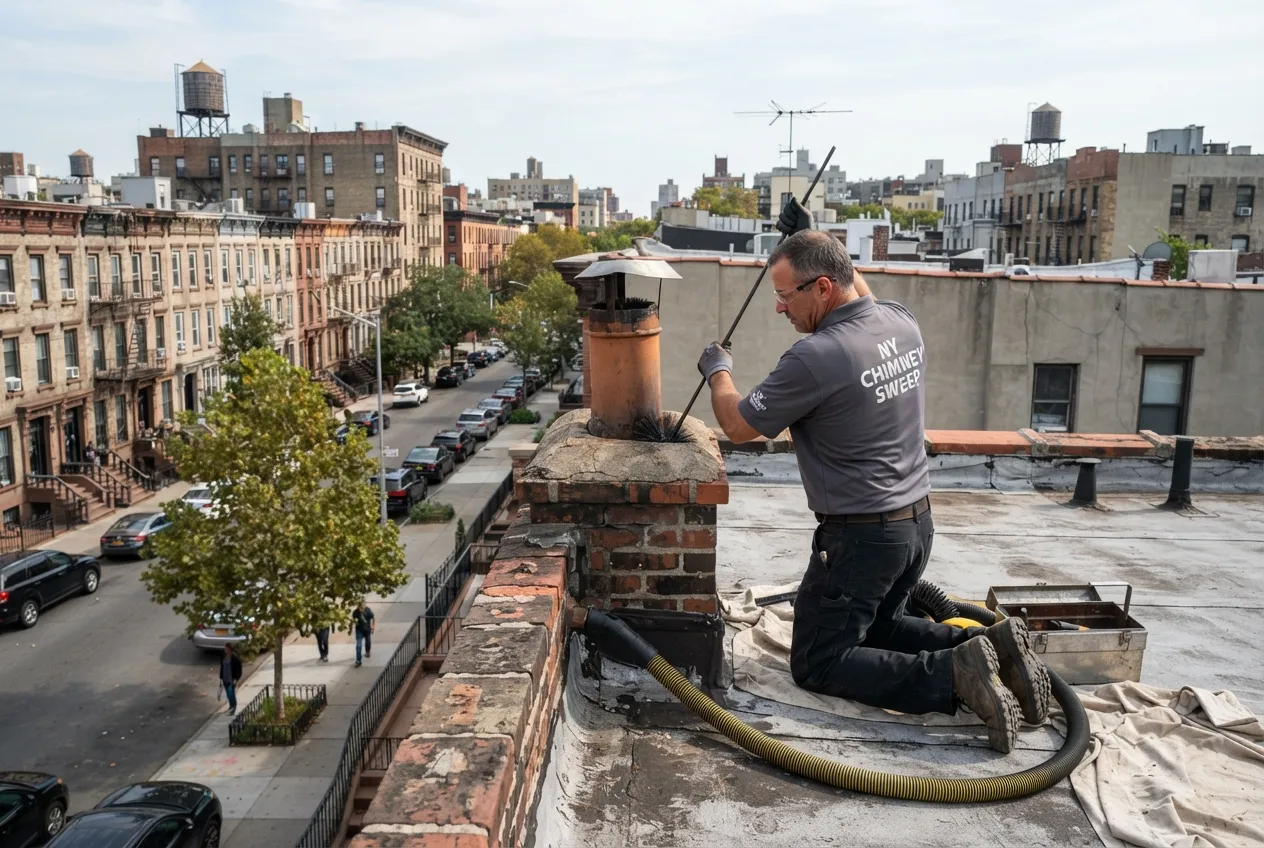
We work from the firebox up, using brushes and rods sized to your flue. Drop cloths and a vacuum keep soot out of your living space. That matters in finished interiors where plaster walls, wood floors and furniture sit close to the hearth.
- Removing creosote, soot and debris from the flue and smoke chamber
- Clearing nests, leaves and other blockages
- Checking the damper, smoke shelf and firebox
- Looking at the crown, cap and flashing when roof access is available
- Noting cracks, gaps or deterioration in the liner
Yearly Inspections and the Three Inspection Levels
The NFPA 211 standard calls for chimneys, fireplaces and vents to be inspected once a year. That applies even to fireplaces you rarely use. A chimney that sits idle can still collect debris, nests and moisture damage.
Chimney professionals use three inspection levels. A Level 1 inspection fits when nothing about your system has changed. A Level 2 inspection is called for when the system changes, such as a new insert or a switch of fuel, or when the home is sold. That is worth remembering in a neighborhood where townhouses and co-op units change hands. A Level 3 inspection is reserved for cases where a hidden hazard has to be reached by opening part of the chimney or building. We recommend it only when an earlier inspection points to a problem that can't be confirmed another way.
Oil-to-Gas Conversions and Chimney Liners
When a New York City building converts its boiler from oil to gas, the chimney has to be evaluated as part of the work. A new liner is often needed because gas exhaust produces acidic condensate that can corrode a masonry flue.
In a pre-war apartment building, one boiler chimney may serve the whole structure. If your building is planning a conversion, have the chimney evaluated early. That way any liner work can be scheduled alongside the boiler work instead of holding it up. We inspect the flue, explain what we see, and give the owner or managing agent the information needed to plan.
Time for your annual chimney check?
Timing Around Heat Season
New York City's heat season runs from October 1 through May 31. During that time, building owners must keep apartments heated to the city's minimum temperatures. A boiler chimney problem found in January is much harder to handle than one found in August.
For building flues, late summer and early fall are the most practical times to schedule. The same goes for fireplaces in single-family homes, since the system will be ready before the first cold night. If you burn wood often through the winter, a mid-season check can catch heavy buildup before spring.
Signs Your Chimney Needs Attention
Call for a sweep and inspection if you notice any of the following:
- A strong smoky or tar-like smell, especially in humid weather
- Smoke drifting into the room instead of drawing up the flue
- Black, flaky or glazed deposits in the firebox or on the damper
- Pieces of tile or masonry falling into the firebox
- Water stains on walls or ceilings near the chimney
- Scratching or chirping sounds inside the flue
- You recently moved in and don't know when the chimney was last cleaned
Scheduling in West Village and Nearby
We serve homes throughout the West Village and nearby Greenwich Village, SoHo, Little Italy, Hudson Square and Tribeca. If your building requires advance notice, elevator reservations or roof access through management, tell us when you book. We can coordinate with the super or managing agent ahead of the visit.
More services in West Village
- Chimney Inspection in West VillageLocal service & repairs
- Chimney Repair in West VillageLocal service & repairs
- Air Duct Cleaning in West VillageLocal service & repairs
- Chimney Liner Installation in West VillageLocal service & repairs